
Vertical integration has become one of the most strategic advantages in the global garment manufacturing industry—especially for factories that aim to serve premium B2B clients in the US and Europe. As the owner of a vertically integrated children’s clothing factory in China, I’ve seen firsthand how this model reduces risks, enhances quality control, and enables better delivery timelines.
Vertical integration allows a garment factory to control multiple stages of production—such as fabric sourcing, cutting, sewing, printing, packaging, and logistics—within one connected workflow. This results in better quality, lower costs, and faster delivery.
If you’re a sourcing manager, brand owner, or distributor looking to streamline your supply chain and improve margin reliability, understanding the benefits of vertical integration can help you choose the right manufacturing partner.
How Does Vertical Integration Improve Production Efficiency?
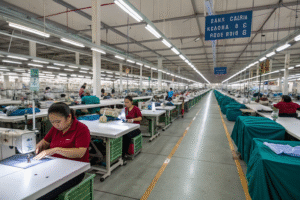
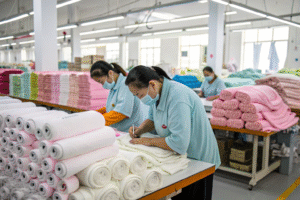
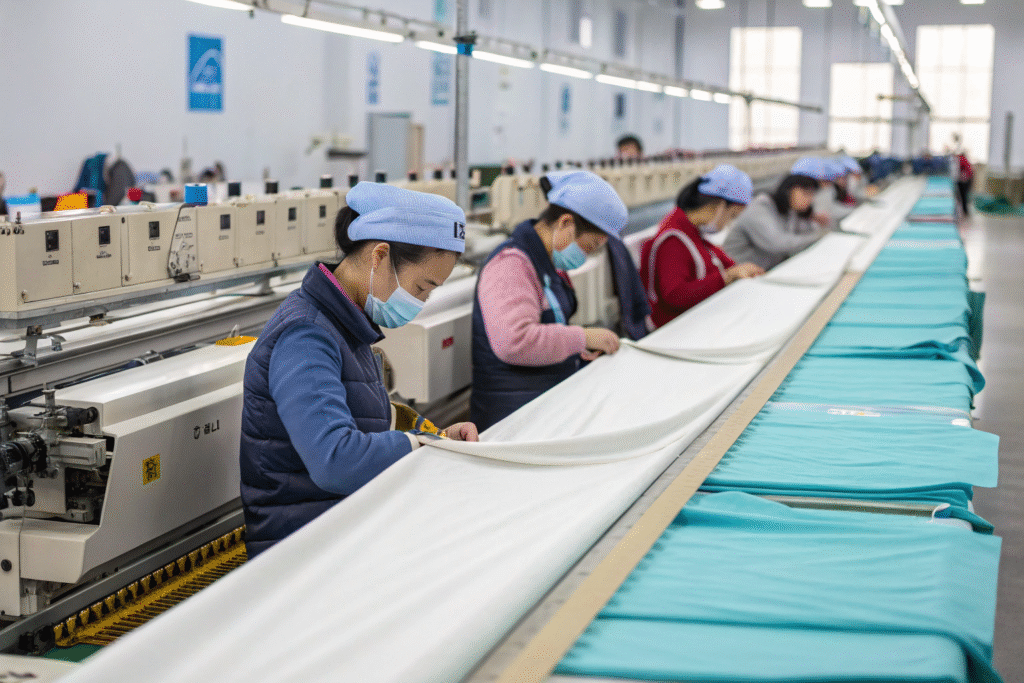
One of the biggest gains from vertical integration is a streamlined production process. Since every step—from fabric production to final packaging—is housed under one roof, there are fewer delays, handoffs, and quality mismatches.
Clothing factories that integrate vertically reduce production lead times by 20-40%, lower error rates, and minimize reliance on third-party subcontractors.
How Does It Minimize Handover Delays?
In a traditional supply chain, fabrics come from one supplier, trims from another, and sewing is done elsewhere. This increases chances of mismatch and delay. Vertical integration eliminates this by keeping:
- Fabric knitting
- Dyeing and finishing
- Cutting and sewing
…all within one factory.
Factories like MAS Holdings and Crystal Group have adopted this model for years to serve global brands.
Can It Reduce Quality Issues?
Yes. When fabric and garment production are separated, slight variances in fabric width, GSM, or colorfastness can lead to sewing problems. Integrated factories can test fabrics immediately and adjust machine settings in real time.
Using platforms like Textechno for in-line fabric testing or in-house 4-point inspection systems ensures issues are caught early—avoiding returns or remakes.
How Does It Strengthen Quality Control and Traceability?
Vertical integration helps garment factories implement unified quality assurance systems across departments. From yarn to final piece, every component is traceable and accountable.
Buyers benefit from transparent quality tracking, fewer product defects, and smoother communication when working with vertically integrated garment manufacturers.

What Role Does Digital Traceability Play?
Modern factories integrate ERP (Enterprise Resource Planning) systems to connect:
- Fabric rolls to garment lots
- QA issues to machine logs
- Worker performance to final product output
Tools like Lectra’s Kubix Link or Gerber’s YuniquePLM allow B2B buyers to request digital production records.
This is especially valuable for clients sourcing GOTS or OEKO-TEX certified items and who need to trace certified components across the supply chain.
Does It Improve Audit Readiness?
Yes. When certification, testing, and production logs are centralized, it becomes easier to pass factory audits. This is essential for buyers that require:
- BSCI compliance
- Sedex SMETA documentation
- GOTS transaction certificates
We maintain digital archives of all these credentials for our clients and can generate audit-ready files on demand.
How Can Vertical Integration Lower Overall Production Costs?
One of the biggest misconceptions is that vertical integration increases overhead costs. In reality, it reduces them—once the initial investment is amortized.
By controlling multiple stages, integrated clothing factories reduce third-party markups, minimize shipping costs between factories, and cut fabric wastage by optimizing raw material use.
How Does It Eliminate Hidden Subcontractor Costs?
When sourcing from traditional cut-and-sew units, there’s often a hidden web of subcontractors behind every step. This leads to:
- Lack of visibility into pricing
- Quality inconsistency
- Duplication of handling costs
Integrated suppliers consolidate this, offering one transparent price. Factories like Arvind Ltd. and Hirdaramani Group showcase how vertical systems lower long-term costs.
Does It Reduce Material Wastage?
Yes. Integrated factories can manage fabric yield more efficiently by:
- Cutting based on real-time production demand
- Reusing offcuts internally
- Avoiding over-ordering from external mills
Our own factory reduced fabric waste by 18% after integrating digital cutting systems like Gerber Paragon.
How Does It Enhance Customization and Client Flexibility?
Today’s buyers—especially in children’s wear—want faster design iterations, smaller MOQs, and control over fabric and trim selection. Vertical integration allows factories to respond quickly to customization requests.
With integrated design, development, and fabric production, factories can execute custom collections in shorter lead times, helping buyers meet tight seasonal demands.
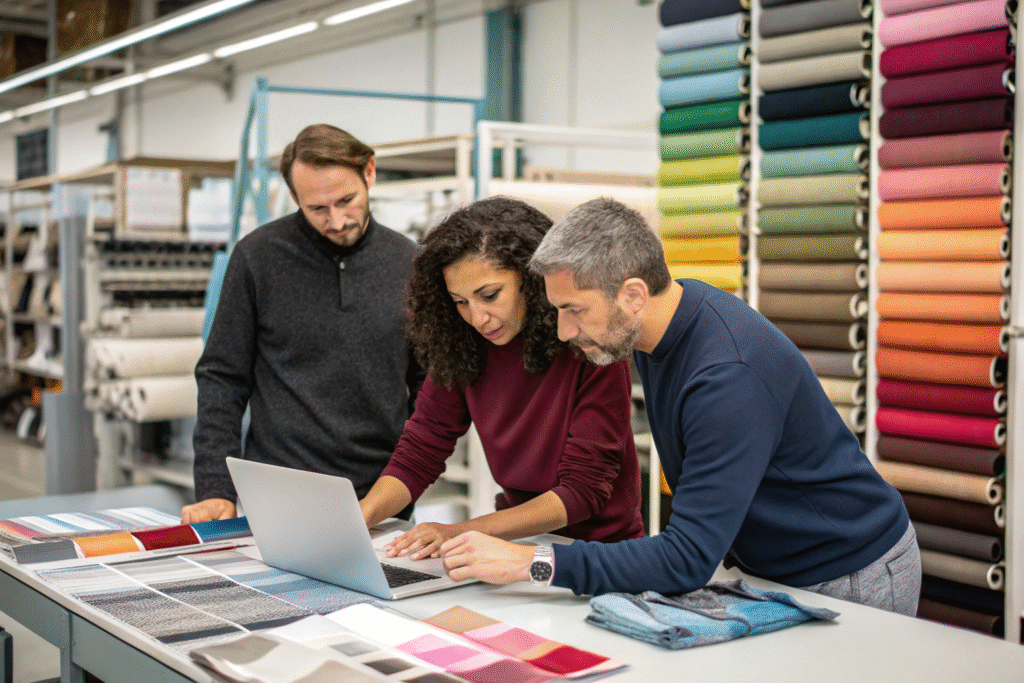
Can Buyers Create Exclusive Fabrics?
Yes. Vertically integrated factories often own or partner with in-house knitting/weaving units. This allows:
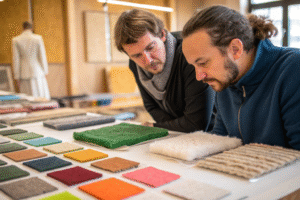
- Custom GSM, hand-feel, or finish
- Exclusive color dye lots
- Print testing on proprietary fabrics
For example, we developed enzyme-washed cotton for a US children’s brand by testing variations internally. More info on how brands develop fabric can be found at Common Objective.
What About Faster Prototyping?
Integrated factories can shorten sampling cycles by:
- Using in-house pattern and cutting teams
- Holding fabric greige stock
- Digitally transferring tech packs
Tools like CLO 3D help simulate designs before actual sewing—saving weeks of development.
Conclusion
Vertical integration is not just a buzzword—it’s a smarter way to manufacture clothing in today’s competitive and quality-driven markets. For brands sourcing from Asia, partnering with vertically integrated factories like ours means gaining a cost-effective, flexible, and accountable supply chain.
From shorter lead times to better fabric control and smoother certifications, vertical integration unlocks efficiencies that traditional models can’t match. As both a manufacturer and exporter of children’s clothing, I can say confidently: this model has helped us deliver value to B2B clients globally—especially those, like Ron, who want both speed and reliability in one partner.
If you’re a buyer looking to scale with less risk, this is the model to trust.