
For infant apparel brands aiming to break through in saturated markets, having a cute design is no longer enough. With rising parental expectations, safety standards, and brand competition, product development has become the backbone of long-term brand survival.
Product development is the key differentiator for infant brands in 2025 and beyond. It allows companies to stand out, meet global compliance, and connect emotionally with caregivers—all while maintaining efficient, scalable production cycles.
Whether you’re a U.S. brand owner sourcing from China, or an EU distributor eyeing expansion, ignoring product development means falling behind. In this article, I’ll walk you through how well-executed product development increases sales, strengthens brand identity, and safeguards infant safety and comfort.
How Does Product Development Impact Infant Brand Success?
Product development is more than drawing up a baby bodysuit. It’s a strategic process that aligns creativity, functionality, and compliance—especially critical in the infant segment. Consumers are highly sensitive to quality, comfort, and safety when it comes to babies.
Infant brands that prioritize development cycles see stronger market response, fewer returns, and faster brand growth. From fabric R&D to smart closures, it all begins with intentional product design rooted in market need.

What Happens If You Skip Robust Product Development?
Brands that launch without testing or development often face high return rates, customer complaints, and even regulatory issues. A miscalculated neckline size or snap failure could risk safety, damaging both reputation and compliance. For reference, CPSC.gov recalls list shows numerous babywear products pulled from shelves due to overlooked development.
How Does Product Development Build Brand Equity?
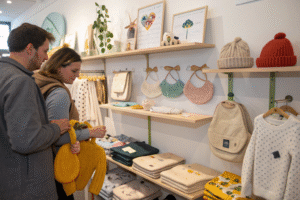
Thoughtful development leads to recognizable design signatures. Whether it’s a specific soft-stretch neckline or breathable organic fabric, consumers associate that comfort with your brand. Take Carter’s as an example—they’ve mastered fit and feel through repeated iteration and feedback loops.
What Are Key Stages of Infant Garment Product Development?
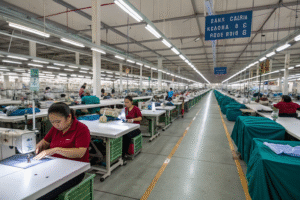
Developing a successful infant garment isn’t a single action—it’s a process of multiple fine-tuned stages. Each step, from idea to shipment, plays a role in how the product performs for end users and how it’s perceived by buyers and distributors.
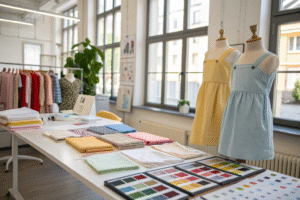
The main stages include design concept, fabric selection, technical development, prototyping, compliance testing, and production refinement. For infantwear, this process must include regulatory checkpoints like flammability and choking hazard reviews.

What Makes Infant Garment Development Different from Adults?
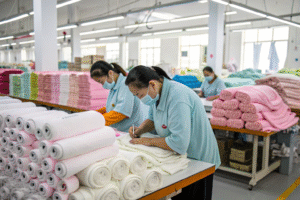
Unlike adult apparel, infantwear must pass mandatory safety compliance such as CPSIA for the U.S. and EN 14682 for the EU. Snap strength, seam strength, small parts—all are tested. Resources like SGS Infantwear Testing outline how detailed the process must be.
What’s the Role of Tech Packs in Baby Apparel?
Tech packs act as blueprints. They include measurements, fabric specs, stitching details, label placements, and care instructions. A good tech pack avoids costly mistakes. Templates and tips can be found on Techpacker—a platform used by global babywear designers.
Why Is Fabric Innovation Essential in Infantwear?
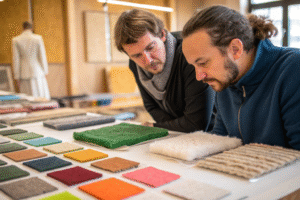
Parents today care deeply about what touches their baby’s skin. That’s why innovation in textile composition is more important than ever. The right fabric isn’t just soft—it’s safe, sustainable, and smartly engineered.
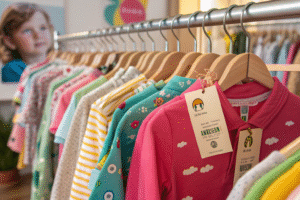
Innovative fabrics like organic cotton, bamboo rayon, and recycled modal elevate the infantwear experience for both baby and parent. These materials offer breathability, softness, and safety, while aligning with modern sustainability expectations.

Which Fabrics Are Trending in Infant Product Development?
- Organic Cotton – Hypoallergenic, breathable, GOTS-certified
- Bamboo Rayon – Ultra-soft, antibacterial, moisture-wicking
- Modal – Smooth, stretchy, great drape for stylish pieces
Check out sourcing platforms like Texworld USA for fabric trend forecasts tailored to babywear development.
How Do Certifications Affect Fabric Selection?
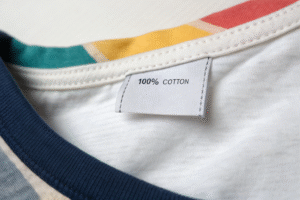
Infant apparel must meet strict health safety standards. OEKO-TEX®, GOTS, and CPSIA certifications are now required by many retailers. Suppliers without these credentials may save pennies, but put your brand at risk. Verification tools like OEKO-TEX Label Check help confirm compliance.
How Can Prototyping and Feedback Reduce Risk?
Too many infant brands fail because they rush to production after one sample. Babies grow fast, sizes vary by region, and safety issues can go unnoticed in early versions. This is where sampling and user testing save brands.
Multiple prototyping rounds with real parent feedback can eliminate fit issues, design flaws, or material incompatibilities before launch. It also boosts buyer confidence when pitching to distributors or retailers.

How Many Sample Rounds Are Ideal?
For infantwear, at least two physical samples are recommended:
- Proto Sample – First construction to verify shape
- Pre-Production Sample (PPS) – Final version with full trims, packaging, and finishing
Some brands even do a 3rd sample for marketing shots. Guides from Maker’s Row explain how to plan these rounds effectively.
Why Is Fit Testing Crucial for 0–24 Month Garments?
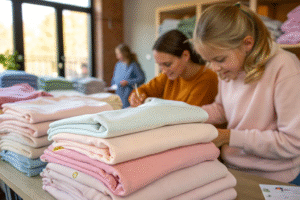
Babies don’t sit still—and their head, torso, and diaper area need flexibility. A poorly fitted bodysuit may bunch, pull, or fail snap tests. Fit testing ensures comfort and mobility. Research from The Tot shows that tactile comfort directly impacts parent loyalty.
Conclusion
If you’re building an infant apparel brand that aims to last, product development can’t be treated as optional. It’s your quality control, your storytelling tool, and your insurance policy—all rolled into one. From safe fabrics to market-ready fits, every development detail you invest in will return as brand trust and retail performance.
At Shanghai Fumao, we don’t just manufacture—we co-develop. Our team collaborates on tech packs, advises on fabric certifications, and helps you refine your prototypes for global markets. We’ve supported top U.S. and European brands from sketch to shipment.
To start your next infantwear project with a factory that understands the true value of product development, contact our Business Director Elaine at elaine@fumaoclothing.com. We’ll help bring your babywear ideas to life—safely, stylishly, and successfully.