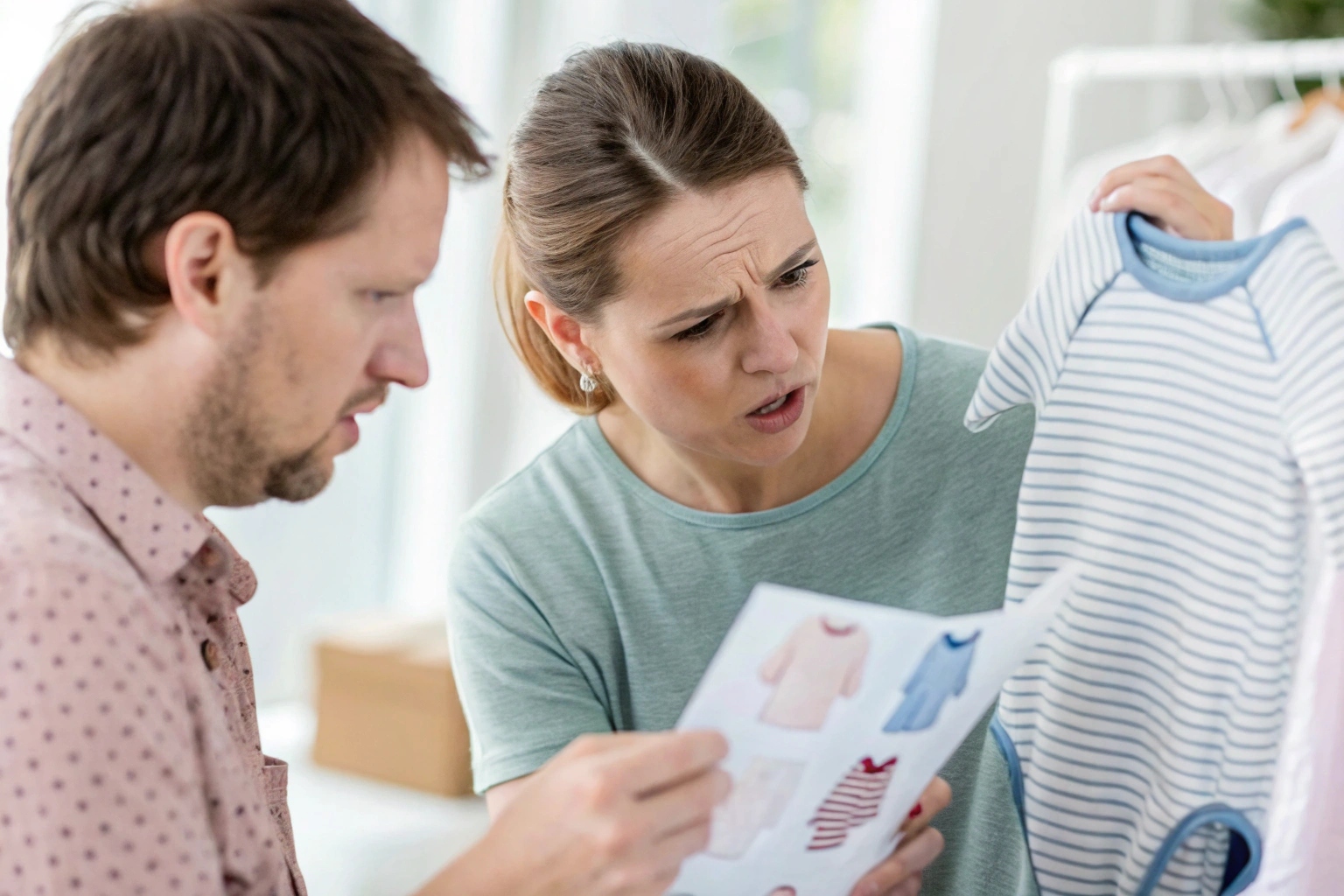
You finally find a cute outfit, check the size, and hit “buy”—but when it arrives, it barely fits or hangs off your baby’s shoulders. Sound familiar?
Baby clothing sizing online is hard to trust because of inconsistent brand charts, vague labeling, missing measurements, and unpredictable growth patterns.
Let me walk you through why parents struggle with sizing—and how brands can fix it to build confidence and cut returns.
Why Baby Sizes Vary So Much Between Brands?
Every brand says “3–6M,” but no two outfits fit the same. That’s not just annoying—it’s confusing and expensive for parents.
Baby sizes vary between brands because there’s no global standard, each company uses different growth data, and fit preferences depend on market region and style.
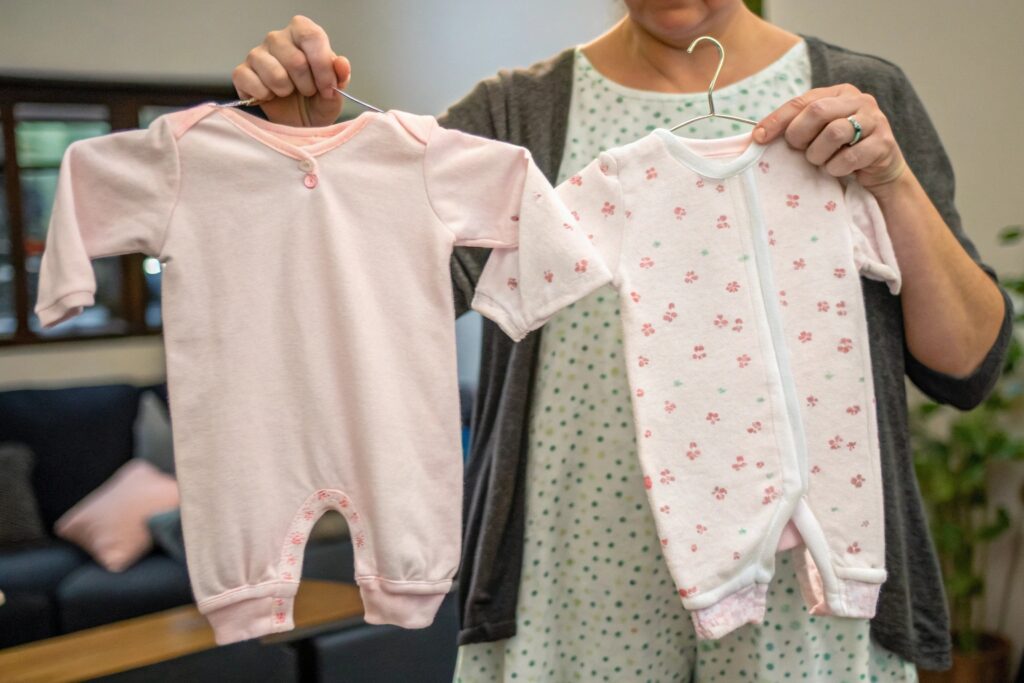
Why don’t brands use the same baby size system?
There are three main reasons:
- Different markets: U.S., EU, and Asian sizing systems all use different fit baselines
- Design differences: Some brands go for slim fit, others leave more diaper room
- No mandatory standard: Brands choose what works for their collections
Here’s how “3–6M” sizing can look across regions:
| Region/Brand | Baby Height (cm) | Baby Weight (kg) | Fit Tendency |
|---|---|---|---|
| USA (Brand A) | 60–66 | 5–7 | Loose, generous cut |
| Europe (Brand B) | 62–68 | 6–8 | Slim, longer fit |
| China (Brand C) | 60–65 | 4.5–6.5 | Tight in thighs/arms |
Without clear size charts or guidance, parents are left to guess—leading to sizing frustration and abandoned carts.
How Poor Size Charts Lead to Frequent Returns?
Most size charts are vague. They list months, not real body sizes. Some don’t explain stretch, fit type, or diaper allowance—so parents end up choosing the wrong size.
Bad size charts cause returns because they don’t reflect how the clothes actually fit on real babies with different shapes, weights, and needs.
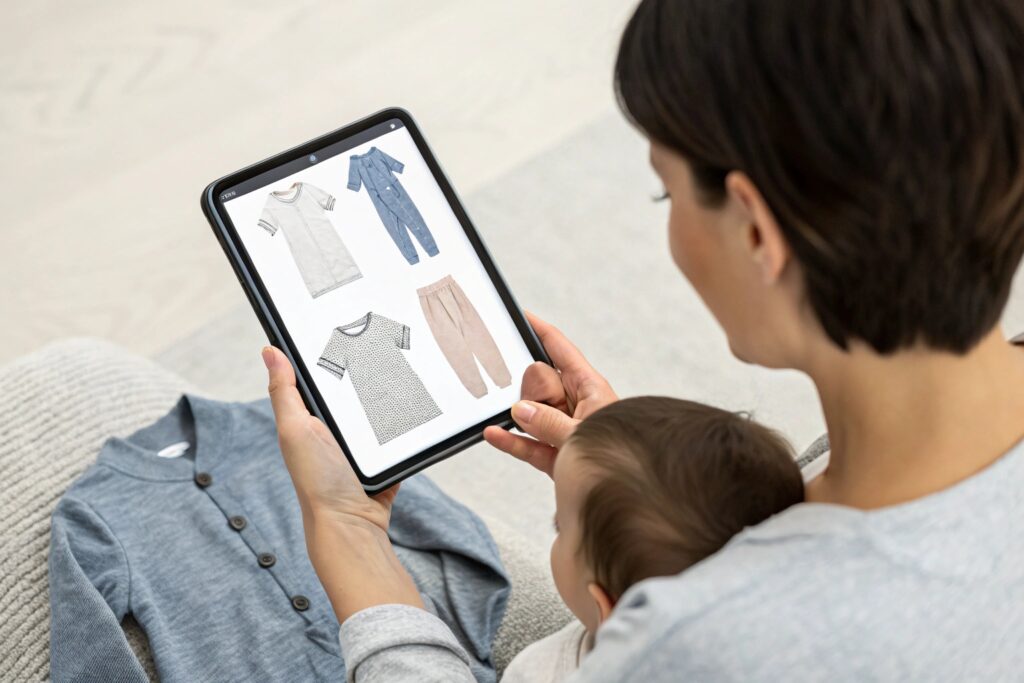
What’s missing from most online baby size charts?
- No weight or height range
- Unclear units (cm vs in)
- No distinction between body size and garment size
- No fit advice like “slim fit” or “stretchy”
Parents often ask:
“Will this fit my baby with a cloth diaper?”
“Should I size up if my baby is 7.5 kg?”
“Is this outfit pre-shrunk or will it shrink later?”
When that information is missing, return rates skyrocket—especially in babywear, where growth can change fit within weeks.
What should a good size chart include?
| Size Label | Baby Height | Baby Weight | Fit Note |
|---|---|---|---|
| 66 | 60–66 cm | 5–7 kg | Snug fit, stretchy |
| 73 | 67–73 cm | 7–9 kg | Allows room for diapers |
| 80 | 74–80 cm | 9–11 kg | Relaxed fit for layering |
Add:
- Garment measurements for width and length
- Icons or tags like “runs small,” “generous cut,” “ideal for chunky thighs”
What Parents Wish Online Baby Stores Did Better?
A cute romper photo is nice—but parents want more. They want real info, honest fit feedback, and better tools to help them choose the right size.
Parents wish online baby stores gave real-world fit help, model examples, better product descriptions, and sizing support based on actual baby shapes.
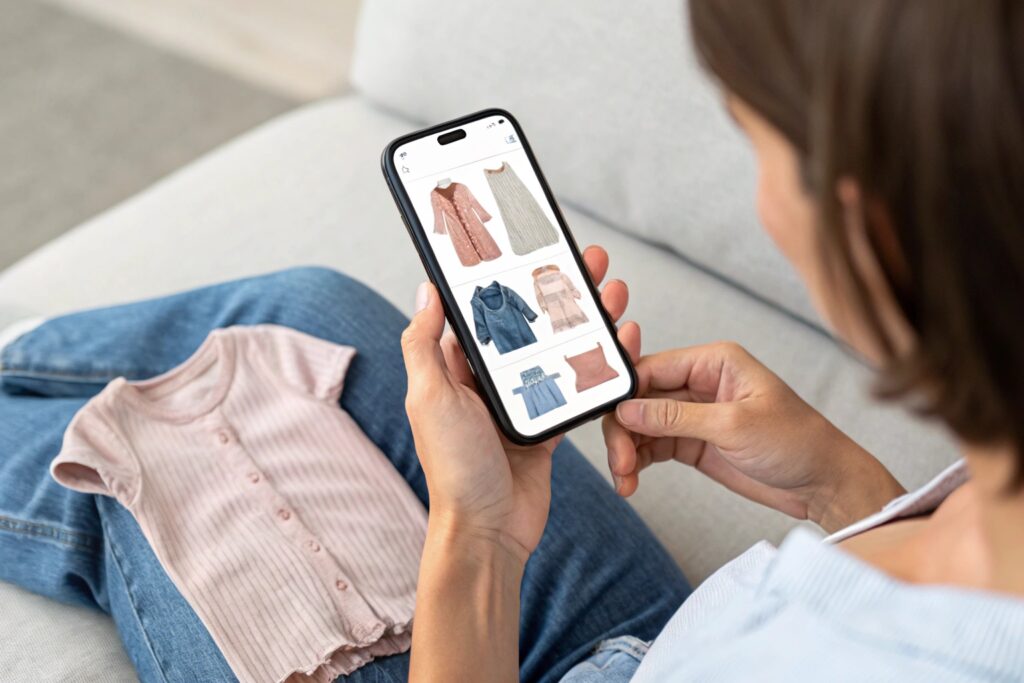
What do parents say would help them choose the right size?
- “Show me what size the baby model is wearing and their weight/height.”
- “Tell me if it runs small or shrinks after washing.”
- “Let me filter by chubby/thin fit.”
- “I want reviews from other parents about sizing accuracy.”
Simple changes that increase trust:
- Add baby model stats to product photos
- Create fit feedback tags like “83% say it fits true to size”
- Use real customer review photos
- Add a Size Quiz Tool with questions like age, weight, and diaper type
What else could improve the experience?
- Transparent return policies for sizing errors
- One-click size exchanges
- Bundle options that mix sizes (0–3M + 3–6M in same set)
- Live chat or chatbot for sizing help
Parents feel supported when stores remove guesswork.
Can Standardized Sizing Improve Online Shopping?
Sizing chaos isn’t just bad for shoppers—it’s bad for brands too. Standardizing babywear sizing could reduce confusion, boost buyer trust, and lower returns.
Yes, standardized sizing could help—but it must include clear measurement systems, real baby fit testing, and flexible fit ranges to match growth.

Why hasn’t babywear sizing been standardized globally?
Because:
- Baby growth patterns vary by country and population
- Brands want control over fit and design flexibility
- There’s no enforced global standard like ISO for babywear
But brands can still follow best practices internally:
- Use weight + height sizing instead of just months
- Include garment AND body measurement charts
- Test fit on real babies, not mannequins
- Maintain consistent sizing across collections
What would a better sizing system look like?
A new label format like this:
| Tag Label | Baby Weight (kg) | Baby Height (cm) | Fit Type |
|---|---|---|---|
| “Fit 66” | 5–7 | 60–66 | Slim fit |
| “Play 73” | 7–9 | 67–73 | Relaxed/stretch |
| “Layer 80” | 9–11 | 74–80 | Roomy for layers |
Paired with this would be an AI-based size predictor, where parents input their baby’s weight, height, and age—and get custom recommendations.
Conclusion
Sizing doesn’t have to be a mystery. When babywear brands offer real data, honest fit help, and consistent charts, parents stop guessing—and start trusting.