
In the global children’s apparel industry, buyers and brand owners are under growing pressure to source products that are safe, sustainable, and ethically made. For premium markets in North America and Europe, one certification has emerged as the gold standard for trust and compliance — the Global Organic Textile Standard (GOTS).
GOTS certification is not just a green label. It is a rigorous, internationally recognized benchmark that covers every step of the textile supply chain — from organic fiber harvesting to environmentally and socially responsible manufacturing, all the way to labeling. In the competitive children’s wear market, it represents a promise to customers: that your brand values safety, sustainability, and integrity.
In this article, I will explain why GOTS certification is valuable for buyers, brands, and manufacturers — and how it can help you win long-term trust in the children’s clothing industry.
As the owner of Fumao Clothing, a Chinese manufacturer specializing in premium baby and toddler apparel for the US and European markets, I’ve seen how GOTS certification changes the way buyers choose suppliers. Let’s break it down.
What Does GOTS Certification Cover?
For many buyers, the first step is understanding what GOTS certification actually includes. Unlike other textile labels, GOTS is comprehensive — it evaluates both environmental and social criteria. This means it’s not enough to use organic cotton; the entire process must meet strict standards.
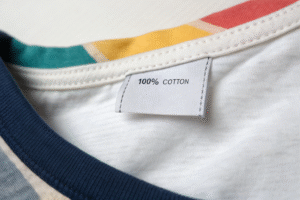
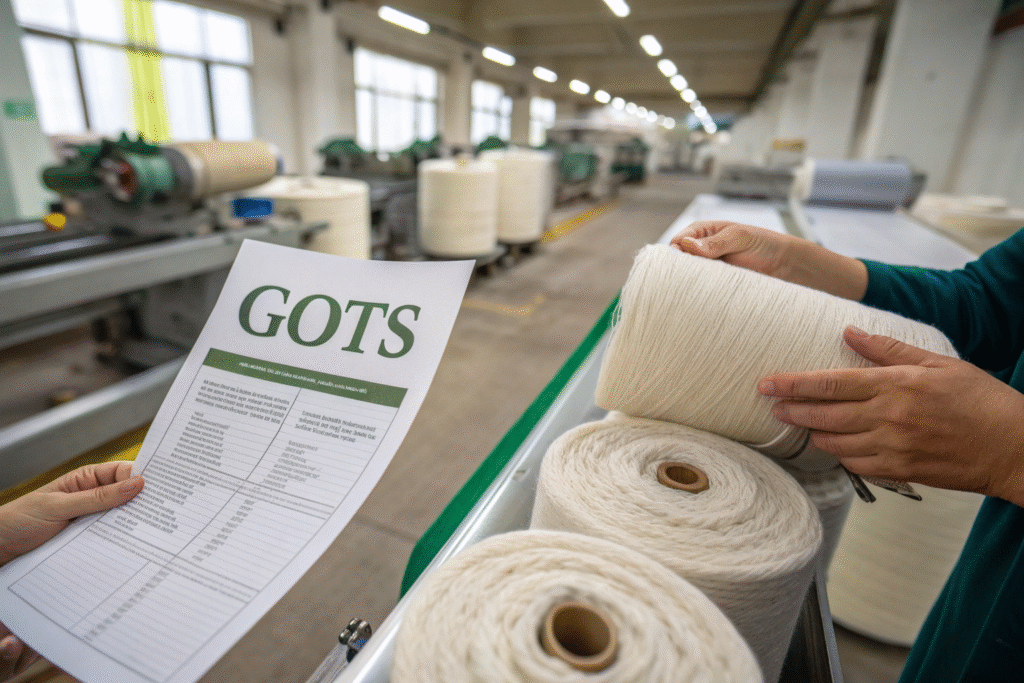
At its core, GOTS ensures that textiles are made from at least 70% certified organic natural fibers. But it goes much further:
How does GOTS address environmental standards?
GOTS prohibits the use of toxic heavy metals, formaldehyde, GMOs, and harmful dyes. According to global-standard.org, it also requires wastewater treatment in all wet-processing units and promotes energy-efficient practices. These measures reduce the environmental footprint of textile manufacturing.
What social criteria are included?
GOTS adopts key norms from the International Labour Organization (ILO), ensuring no child labor, fair wages, and safe working conditions. This makes it as much about human rights as it is about sustainability.
Why GOTS Certification Builds Buyer Confidence
From my experience in B2B wholesale, US and European buyers often face uncertainty about overseas suppliers. Can they trust claims about organic materials? Are labor conditions ethical? This is where GOTS comes in.

How does third-party verification help?
Every GOTS-certified product undergoes inspection by accredited independent bodies. As global-standard.org’s certification page explains, these auditors review documents, inspect facilities, and issue certificates that verify compliance. For a buyer, this means you’re not taking the supplier’s word for it — you’re trusting an internationally recognized standard.
Why is this important in the children’s wear market?
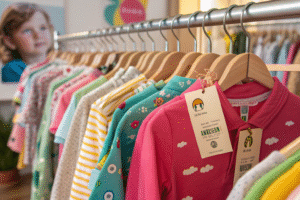
Parents are highly sensitive about product safety for babies. A GOTS label gives them confidence that the clothing is free from harmful chemicals and produced responsibly. As Verywell Family notes, eco-certified baby clothes are increasingly in demand.
The Market Advantages of GOTS Certification
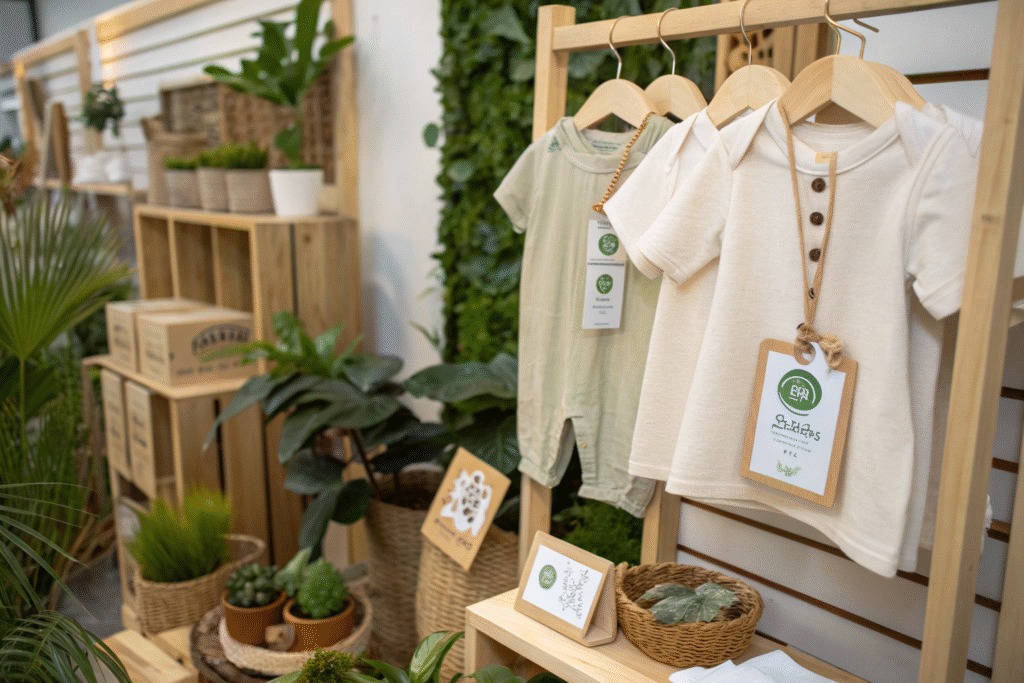
GOTS certification is more than a compliance badge — it’s a powerful marketing tool. In competitive premium children’s fashion markets, it can differentiate your brand and open new doors.
Does GOTS help with international market access?
Yes. Many eco-conscious retailers in Europe and North America require GOTS certification before listing a brand. According to Cikis Studio, having GOTS status can immediately qualify you for premium distribution channels.
How does it enhance brand image?
In an age where greenwashing is common, verified certification builds credibility. Displaying the GOTS logo on product labels tells customers that your sustainability claims are backed by stringent, transparent standards.
How Manufacturers Maintain GOTS Compliance
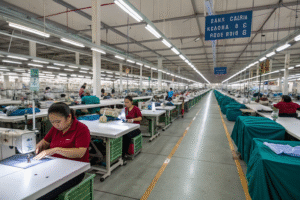
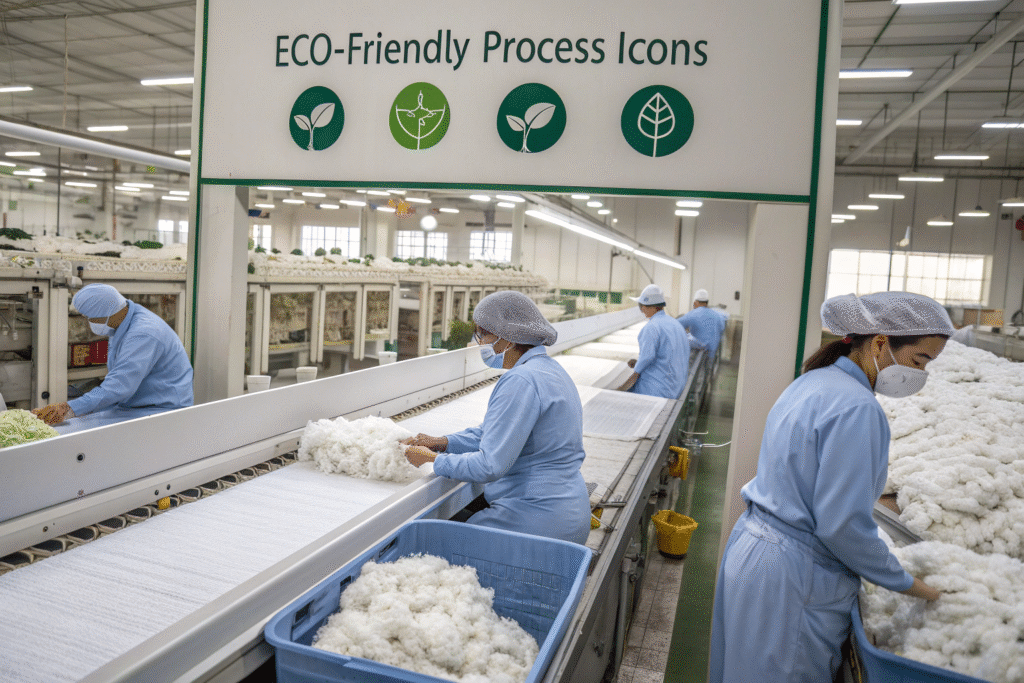
Getting certified is only the start — maintaining GOTS compliance is an ongoing responsibility. At Fumao Clothing, we have internal systems to ensure every order meets these standards.
What quality control measures are required?
We maintain detailed production logs, segregate organic materials from conventional fabrics, and run regular internal audits. As GSCS International explains, annual inspections and unannounced visits are part of GOTS’s compliance structure.
Why is supplier coordination important?
Every part of the supply chain — from fabric mills to dyeing units — must also be certified. This means selecting partners who share the same commitment. If one supplier fails compliance, the whole chain is at risk.
Conclusion
GOTS certification is valuable because it unites environmental sustainability, ethical labor practices, and strict quality controls under one globally recognized standard. For buyers, it reduces risk and builds trust. For brands, it opens markets and elevates reputation. For manufacturers like us, it’s a way to prove our commitment to doing things the right way.
At Shanghai Fumao Clothing, we specialize in producing high-quality, GOTS-compliant baby and children’s wear for US and European brands. If you’re ready to work with a partner who understands premium standards and international compliance, contact our Business Director Elaine at elaine@fumaoclothing.com today.