
Toddlers need to move, stretch, and explore the world with comfort and ease. But uncomfortable or rigid clothing can restrict that freedom, leading to fussiness or even skin irritation. For brands and buyers in the children’s apparel industry, choosing the right material is more than aesthetics—it’s about wellbeing.
Knitted garments are the best choice for toddler comfort because they offer softness, flexibility, and breathability. Whether it’s rompers, bodysuits, or lounge sets, knitwear allows little ones to stay active and cozy throughout the day. As a toddler garment manufacturer, we’ve seen firsthand why our clients consistently prefer knits for baby and toddler lines.
This article walks through the top reasons knitted fabrics dominate the toddlerwear segment, how they compare to woven options, and what sourcing teams should prioritize when developing soft yet durable clothing for young children.
What Makes Knit Fabrics Softer for Toddler Skin?
Parents care deeply about what touches their baby’s skin—and so should brands. The softness of a garment can make the difference between calm and cranky.
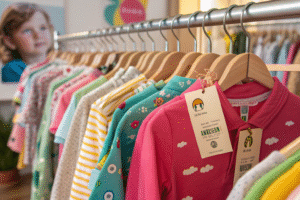
Knit fabrics are made with looped yarns that create a plush surface, reducing friction and making them ideal for sensitive toddler skin. Unlike woven fabrics, which use tight crisscrossed threads, knits naturally stretch and feel gentler to the touch.

Are knits less abrasive than wovens?
Absolutely. The loop structure of knits means fewer hard edges, making them far less likely to cause redness or rash during movement. That’s why organic cotton jersey knits are often the go-to for infantwear and sleepwear.
Woven fabrics, even when made of cotton, can still feel stiffer after multiple washes. Knits, by contrast, tend to get softer over time while maintaining shape—ideal for daily wear and repeated laundering. Learn more about woven vs knit fabric properties.
Why does stretch matter for toddlers?
Young children are constantly moving—crawling, climbing, rolling. Knitwear accommodates these actions thanks to its natural elasticity. A snug knit tee or onesie moves with the child’s body, avoiding restriction and discomfort. Check out this guide to babywear fabric elasticity, which explains why stretch is non-negotiable for active toddlers.
How Do Knitted Garments Improve Movement?
While style matters, function always comes first for toddler apparel. Young children test their limits daily. Their clothes must allow unrestricted movement while maintaining a secure, proper fit.
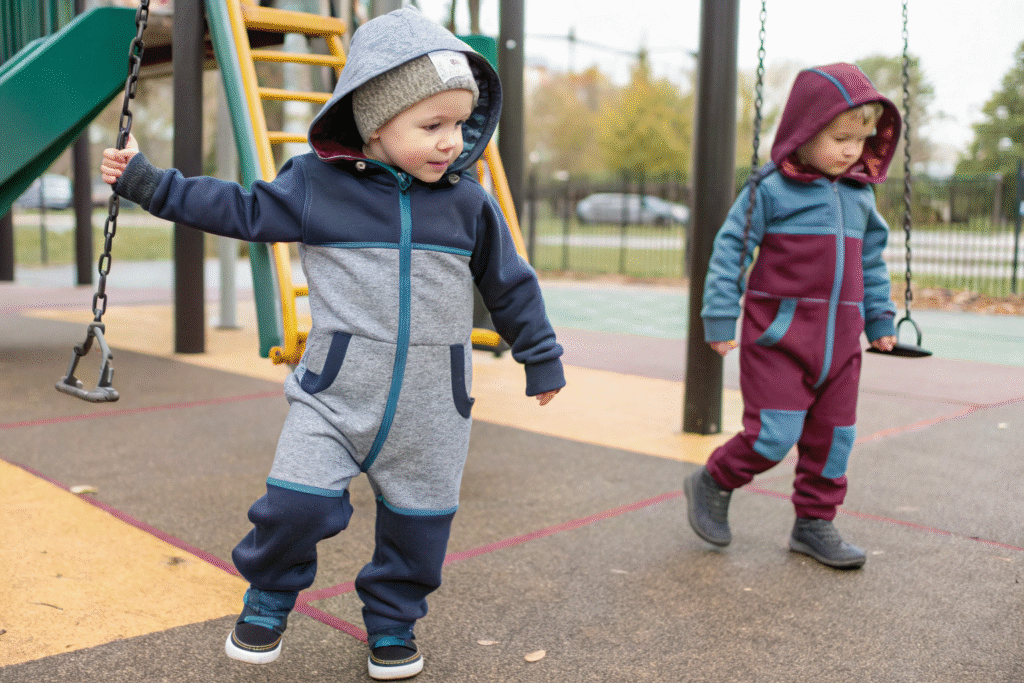
Knitted garments flex with motion, reduce garment stress points, and support developmental mobility. From yoga-style joggers to expandable necklines, the versatility of knit construction makes a big difference in real-world wear.
Can toddlers crawl and play better in knits?
Yes. Knits stretch in multiple directions, making them perfect for high-movement play. In contrast, woven fabrics may tear, pinch, or ride up when kids sit or stretch. Knit leggings, bodysuits, and tees eliminate these issues. See examples of stretch-friendly baby clothes designed for mobility.
Even baby rompers in ribbed knits offer superior fit and recovery, which means garments hold their shape but never restrict. For daycare or playdate scenarios, this mobility equals fewer wardrobe changes and happier toddlers.
What about seams and waistband comfort?
Knitted garments often use flatlock or coverstitched seams, reducing bulk and irritation around joints. Waistbands are typically made from wide elastic or self-fabric ribbing, which prevents tight pinching or digging. You can explore knit finishing techniques that elevate both comfort and quality.
Are Knitted Fabrics Safer for Daily Wear?
Safety is a top priority when sourcing toddler clothing. Brands must think beyond fabric feel—considering certifications, breathability, moisture management, and flammability performance.
Knitted garments are safer for toddlers due to their breathability, temperature regulation, and soft-touch nature. Most certified cotton or bamboo knits also pass stringent safety and skin compatibility standards.

What certifications should toddler knits carry?
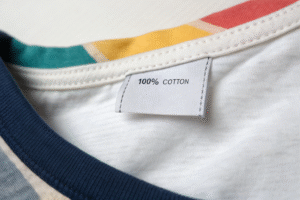
Look for fabrics that are OEKO-TEX® Standard 100 or GOTS certified. These guarantees mean the materials are free from harmful substances and suitable for prolonged skin contact.
Bamboo viscose knits are especially popular due to their antibacterial and thermoregulating properties. You’ll often see them in premium infantwear lines. Discover more about bamboo’s baby-safe features.
How do knits handle breathability?
Knit structures allow airflow between yarn loops, which helps release body heat and avoid overheating. This is especially critical in warmer climates or during naps. Woven fabrics, being denser, trap more heat. Breathability is a key reason why knit sleepwear dominates the babywear category.
What Should Buyers Consider When Sourcing Knitted Toddlerwear?
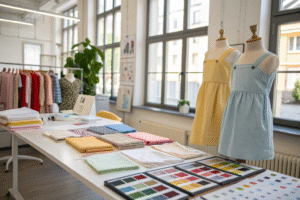
If you’re sourcing toddler garments for retail or wholesale, choosing knits means understanding fabric behavior, construction techniques, and supplier capabilities. Not all knits are equal—and your decisions impact both comfort and cost.
Buyers should prioritize fiber quality, fabric weight, recovery stretch, and shrink control when selecting knitted garments for toddlers.

Which knit types work best for toddlers?
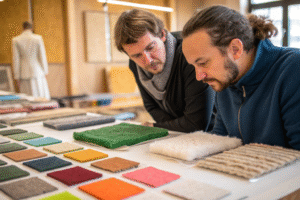
Single jersey is great for tees and rompers. Interlock knits offer more stability for baby sets or pajamas. Rib knits are perfect for cuffs and snug leg openings. For winter items, consider brushed French terry or fleece-backed knits with softness and warmth.
For a deeper dive, explore this list of common knit fabrics for kids to align fabric type with design intent.
What factory capabilities should you verify?
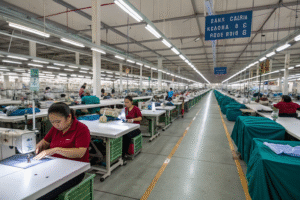
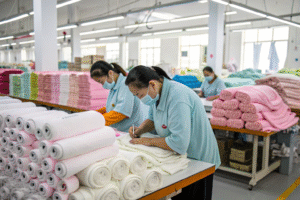
Ensure the manufacturer specializes in toddlerwear and has the right equipment: flatlock machines, coverstitch machines, and fabric testing tools. Ask about fabric pre-washing, enzyme finishing, and shrinkage control processes.
It’s also wise to confirm MOQ flexibility and their familiarity with babywear compliance. Review this guide on sourcing babywear safely to create better supplier conversations.
Conclusion
Knitted garments provide unmatched comfort, safety, and flexibility for toddlers—qualities every parent values and every apparel brand should deliver. As a manufacturer deeply focused on premium toddlerwear, we’ve helped dozens of American and European clients bring soft, stretch-friendly knit collections to market.
From lower shrink rates to movement-ready designs, knits outperform woven fabrics when it comes to toddler comfort. And when sourced from the right partner, they become the foundation of successful, seasonless collections that children love to wear—and parents love to buy.