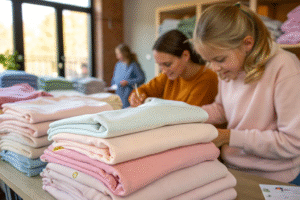
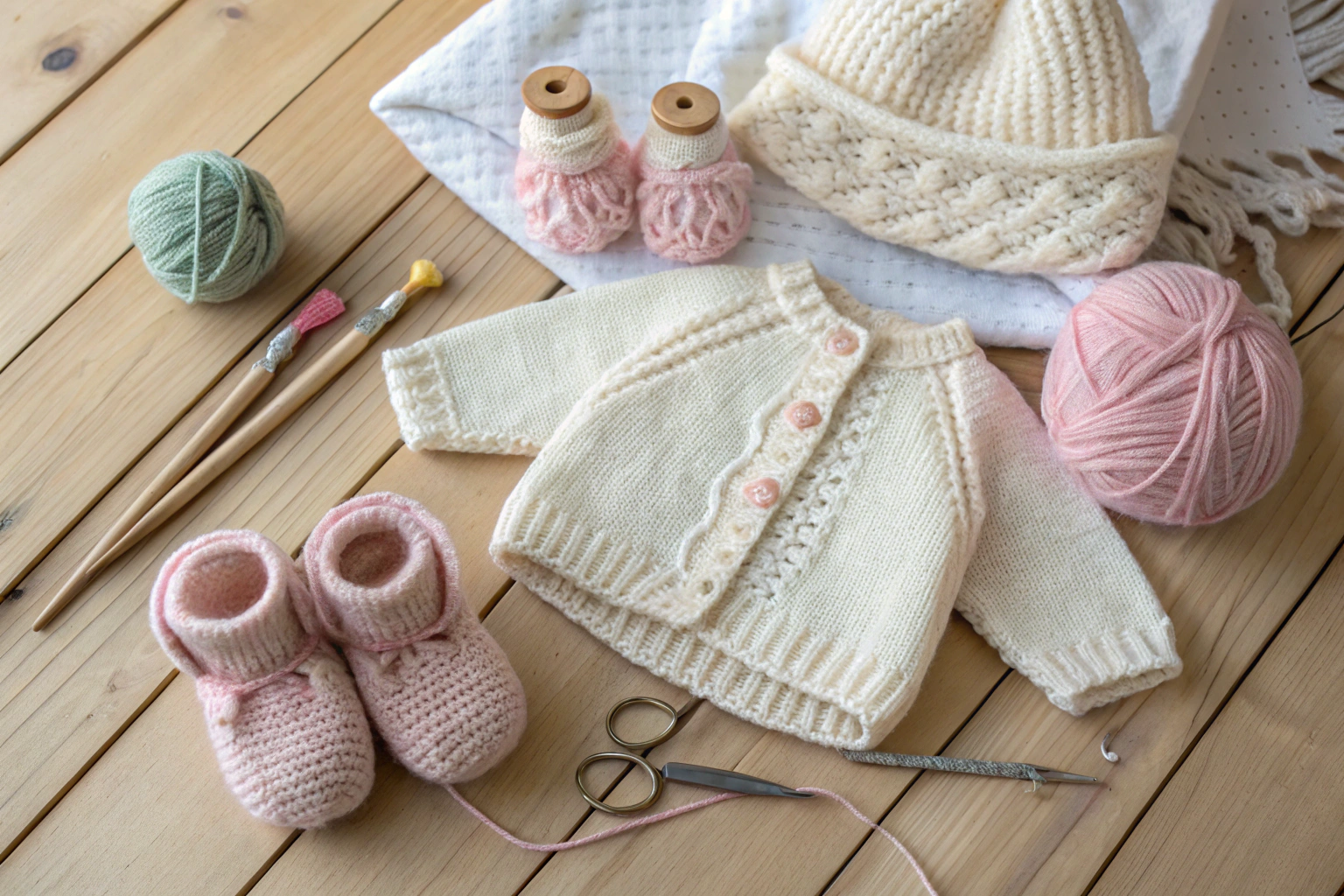
Parents don’t just want baby clothes—they want softness, flexibility, and durability. And when it comes to sourcing or manufacturing babywear, one crucial decision is often overlooked: knitted vs woven. While woven fabrics have their place, knitted materials consistently outperform in babywear due to their comfort, stretch, and safety.
Knitted baby clothes are superior to woven for their flexibility, breathability, and skin-friendliness—making them ideal for infant movement and comfort.
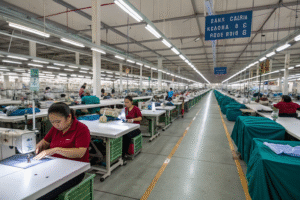
As a manufacturer with decades of experience producing OEM babywear for U.S. and European markets, I’ve seen how knitted garments outperform woven ones in real-world use, especially in the 0–24 month segment. Let’s explore why knitted babywear is the better choice and how it impacts sourcing, cost, and sales.
How Does Fabric Structure Impact Baby Comfort?
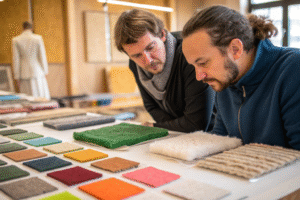
Fabric structure determines how a garment moves, feels, and stretches. Woven fabrics are tightly constructed and rigid, while knitted fabrics are made of interlocking loops, creating a naturally elastic surface.
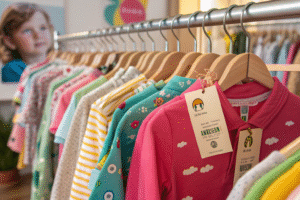
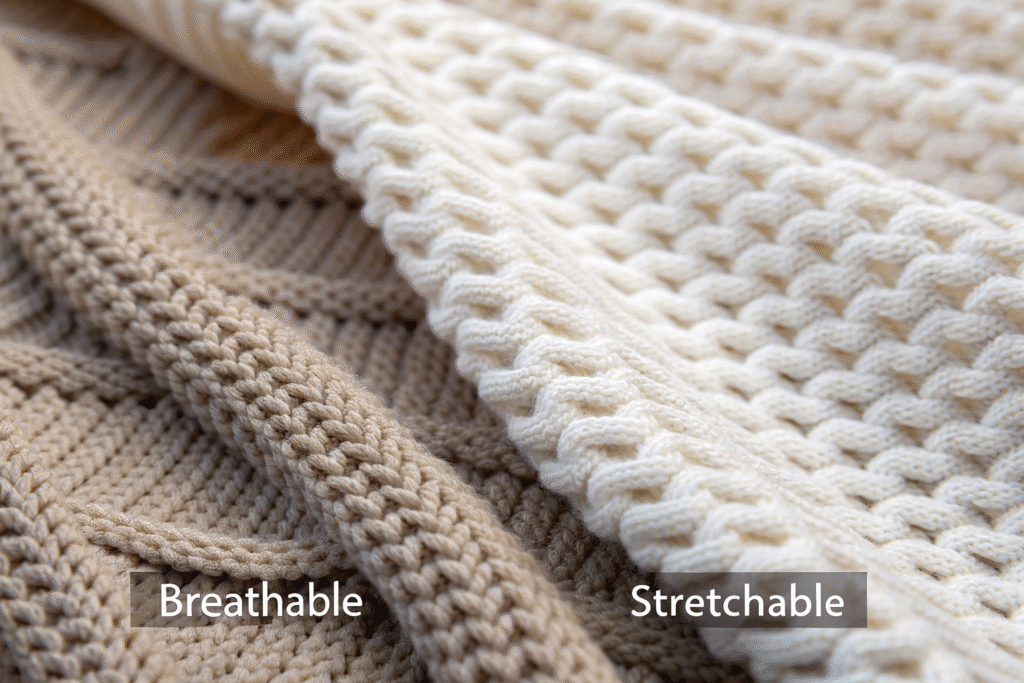
Knitted fabrics like jersey, interlock, and rib are stretchier and softer—ideal for babies’ sensitive skin and constant movement.
Why Is Stretch Important for Babywear?
Babies wiggle, crawl, and roll nonstop. Stretch fabrics accommodate these movements without restricting motion or leaving pressure marks on their skin.
Woven fabrics lack elasticity unless blended with spandex. Even then, the structure resists movement. That’s why bodysuits, rompers, and leggings made from knit jersey or rib fabric are preferred for daily babywear.
Is Breathability Really That Different?
Yes. Knitted fabrics have more open spaces between yarns, allowing better airflow. This reduces heat buildup, sweat, and the risk of rashes.
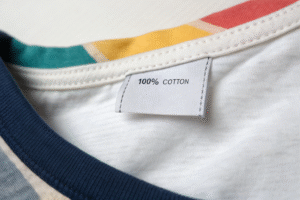
Many of our clients request OEKO-TEX-certified cotton knits specifically for breathability in warm climates like California or Florida.
What Styles Work Better in Knitted vs Woven Babywear?
Not all baby clothes are created equal. Knit fabrics dominate daily essentials due to stretch and comfort, while woven fabrics are more common in occasional or decorative garments.
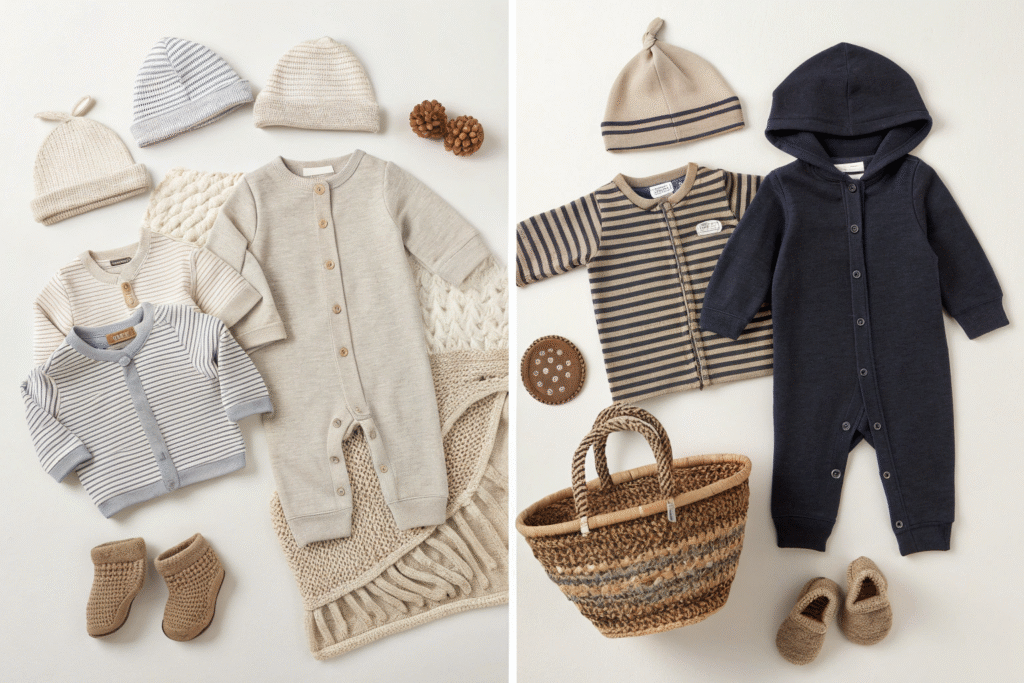
Knitted fabrics are better for rompers, bodysuits, leggings, T-shirts, and pajamas. Woven fabrics suit dress shirts, structured pants, and outerwear.
Which Knit Styles Sell Best in Babywear?
From our factory’s sales data and client feedback, these knit styles are consistently top-performing:
- Ribbed bodysuits
- Interlock footies
- Jersey rompers with envelope necklines
- French terry joggers
- Bamboo cotton sleepers
Retailers tell us that interlock knit performs best in cooler seasons for its double-layer softness and excellent printability.
When Are Woven Fabrics More Appropriate?
Woven cotton poplin, muslin, or twill work well for:
- Occasion wear (wedding outfits, dress shirts)
- Summer button-down rompers
- Quilted or lined jackets
- Structured accessories (bibs, bags)
These styles don’t require much stretch, but they’re less versatile for day-to-day comfort. Most brands mix 80% knit and 20% woven in their toddler collections.
How Do Knitted Fabrics Affect Production and Sourcing Costs?
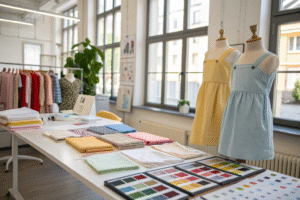
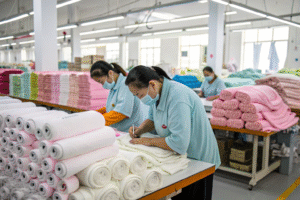
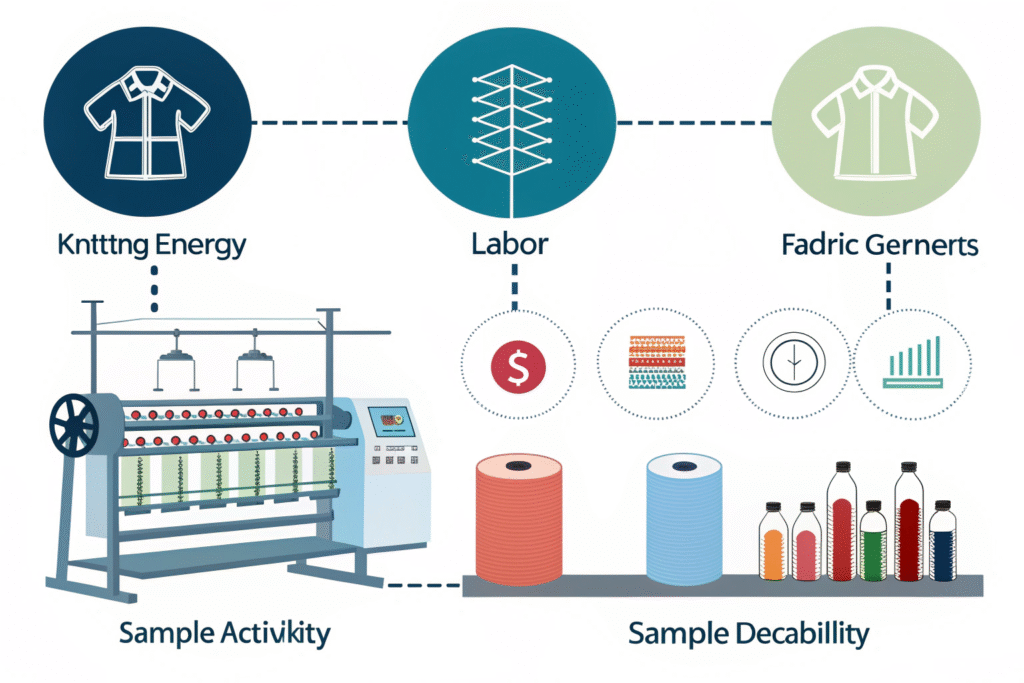
Knitted fabric manufacturing is generally more cost-efficient for small-batch babywear production. It’s easier to cut, sew, and scale—even for startups or DTC brands.
Knitted babywear offers better MOQ flexibility, faster production times, and lower defect rates compared to woven garments, which require more complex cutting and finishing.
Is Knit Garment Production Faster?
Yes. Knits require fewer steps:
- Less stabilization needed
- Simplified seam finishing
- Easier sizing stretch range (fewer SKUs)
Our clients sourcing from China benefit from shorter lead times—often 15–20% faster on knit garments vs woven.
As noted by Fashion-Incubator, complexity in woven garments adds both time and cost.
What About MOQ and Leftover Waste?
Knits are more MOQ-friendly. You can produce as few as 300 pcs per color per style with minimal waste, especially using tubular knit fabric. Woven fabrics often require higher order minimums due to cutting direction, pattern layout, and interfacing.
We help brands reduce deadstock by using digital lay planning and batch cutting for ribbed sets and bodysuits—something harder to do with woven styles.
Are Knitted Fabrics Safer for Baby Clothing?
For babies aged 0–24 months, garment safety is non-negotiable. Knitted fabrics reduce risks of abrasion, choking, or entanglement. They also allow more precise garment fitting without restricting comfort.
Knits reduce the risk of garment-related injuries and pass CPSIA safety tests more easily than stiff woven fabrics.
Do Knitted Babywear Pass Compliance Testing More Easily?
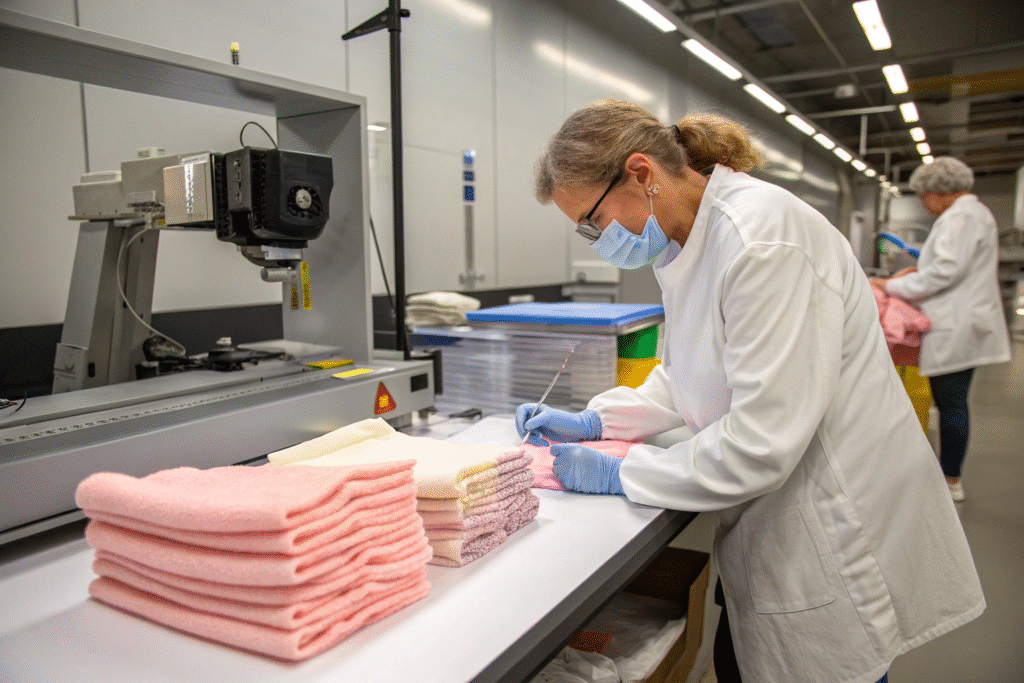
Generally, yes. Testing for:
- Snap strength
- Seam durability
- Flammability
- Colorfastness
often returns higher pass rates in knitted garments, particularly those made from OEKO-TEX or CPSIA-compliant materials.
We work closely with SGS and TÜV Rheinland for testing, and knitted styles consistently report fewer compliance issues.
Are There Specific Risks with Woven Baby Garments?
Yes. Wovens tend to fray and require additional finishings like serging, binding, or interfacing—any of which may become irritation points or fail under toddler-level wear.
We once had a client request woven baby bloomers. After lab testing, the waistline interfacing delaminated during wash test, triggering a full design revamp. Since then, we recommend ribbed knit for elasticized waistband styles.
Conclusion
Knitted baby clothes are the industry standard for a reason—they deliver on softness, safety, and movement. While woven fabrics still serve specific purposes, knits outperform in daily comfort, production efficiency, and parent satisfaction.
If you’re launching or scaling a babywear collection, partner with Shanghai Fumao. We specialize in knitted toddler and infant apparel, using OEKO-TEX certified fabrics and offering full sampling-to-shipment support. Contact our Business Director Elaine at elaine@fumaoclothing.com to start building your high-performance knitwear line today.