As babywear brands, ensuring the safety of your products is paramount. One critical aspect of baby clothing safety that often goes overlooked is the presence of chemical residues. These chemicals, which can linger in fabrics and materials, may not only affect the environment but also pose potential health risks to babies, whose skin is particularly sensitive. In today’s increasingly eco-conscious and health-aware market, parents are more informed than ever, and they demand clothing that is free from harmful chemicals.
Why should babywear brands care about chemical residues?
Chemical residues left in babywear after manufacturing processes can affect the skin of infants, potentially leading to rashes, allergies, or even more severe health issues. As awareness of these risks grows, parents are increasingly seeking safer options, creating a demand for babywear brands to ensure their products meet strict chemical safety standards.
This article delves into the impact of chemical residues on babywear, the growing consumer demand for chemical-free options, and the key regulations babywear brands need to comply with to keep babies safe and their products compliant with international standards.
The Impact of Chemical Residues on Baby Skin Sensitivity
Babies’ skin is delicate and more permeable than that of adults, which makes them more susceptible to irritants and allergens. When babywear contains harmful chemicals such as pesticides, flame retardants, or formaldehyde, there is a significant risk that these substances will be absorbed through the skin.
How do chemical residues affect baby skin?
Baby skin sensitivity is much higher than that of adults, and the chemicals left behind in babywear fabrics can have immediate or long-term effects on their health. Prolonged exposure to certain chemicals may lead to skin rashes, eczema, or even respiratory issues. For example, formaldehyde, a chemical commonly used to prevent wrinkles in fabrics, has been known to cause skin irritation and allergic reactions in sensitive individuals, including babies.

What chemicals are commonly found in babywear?
In the textile industry, a variety of chemicals are used to treat fabrics, but not all of them are safe for babies. Some common chemicals found in baby clothing include:
- Formaldehyde: Used as a fabric finish to prevent wrinkles and to preserve the fabric. It can irritate the skin and eyes.
- Pesticides: Some non-organic cotton fabrics may contain pesticide residues, which can be harmful when in contact with baby skin.
- Flame Retardants: While flame retardants are used to make fabrics fire-resistant, they have been linked to various health issues, including hormone disruption and developmental delays.
- Azo Dyes: These dyes, often used in brightly colored fabrics, can release harmful chemicals when the fabric is exposed to sweat or water.
How do chemical residues affect baby skin in the long run?
The long-term exposure to certain chemicals found in babywear can lead to chronic health problems. For instance, certain flame retardants have been shown to accumulate in the body over time and can lead to developmental delays and hormone imbalances. Babies exposed to pesticide residues may also experience long-term health effects, including immune system suppression and developmental disruptions.
The skin barrier and chemical exposure
The skin’s ability to act as a barrier is much weaker in babies. This makes it easier for harmful chemicals to penetrate deeper into their system, increasing the likelihood of adverse reactions. For this reason, it’s crucial for babywear brands to ensure that their clothing is free from harmful chemicals that can disrupt the skin barrier.
How Chemical Residues Affect Babywear Durability and Safety
Chemical residues don’t just affect the skin; they also impact the durability and safety of baby clothing. Many of these chemicals, such as flame retardants or stain-resistant finishes, can degrade over time and cause the fabric to lose its integrity. This can lead to the clothing becoming less durable or even unsafe for babies.
How do chemical residues affect the durability of babywear?
Certain chemical treatments applied to baby clothing can affect the fabric’s overall durability. For example, flame retardants can break down over time and cause fabrics to weaken or lose their resistance to fire. Similarly, the use of non-organic pesticides during the cotton-growing process can result in clothing that is less soft and prone to wear and tear.
What happens when the chemical treatments wear off?
When chemical treatments on babywear begin to wear off, the fabric may no longer have the desired qualities, such as stain resistance or flame retardance. This makes the clothing more susceptible to damage and may compromise the safety of the baby. For instance, if the flame retardant finishes degrade, the clothing may lose its ability to protect babies in the event of a fire.
Are chemical residues linked to fabric degradation?
Yes, in some cases, chemical residues can be linked to the degradation of fabrics. Chemicals that were initially used to improve the fabric’s quality or appearance may begin to deteriorate with washing and wear, affecting the integrity of the material. This can result in pilling, fraying, or fading, which can cause the clothing to become less effective at providing comfort or protection for the baby.
Can chemical residues increase the risk of accidents?
Certain chemical treatments can increase the risk of accidents. For example, poorly maintained flame retardant finishes can create a false sense of security, as the clothing may not provide adequate protection in the event of a fire. Similarly, chemical residues in baby clothing may cause allergic reactions, leading to discomfort and potential safety concerns.
Consumer Trends: Increasing Demand for Chemical-Free Babywear
As more parents become aware of the potential dangers of chemical residues in baby clothing, there has been a significant shift in consumer behavior. Parents are now demanding more natural, safe, and chemical-free clothing options for their babies. This growing demand is prompting babywear brands to reevaluate their production processes and develop more eco-friendly and health-conscious clothing lines.
Why are parents more concerned about chemical-free babywear?
Parents are increasingly concerned about the potential long-term health effects of exposing their babies to chemicals found in everyday products, including clothing. With more information available regarding the harmful effects of pesticides, flame retardants, and formaldehyde, many parents are choosing to purchase babywear that is certified organic or made from chemical-free materials. Additionally, as sustainability becomes a larger concern, many parents are also opting for clothing made from eco-friendly materials that do not contain harmful chemicals.

What are parents looking for in chemical-free babywear?
Parents are looking for babywear that is not only chemical-free but also comfortable, durable, and safe. They want to ensure that the clothing they purchase will not irritate their baby’s delicate skin or cause long-term health issues. Brands that can provide transparency about their production processes and certifications are more likely to gain the trust of parents.
How are babywear brands responding to this demand?
Many babywear brands are now responding to the demand for chemical-free clothing by incorporating organic fabrics and natural dyes into their collections. Some brands are also seeking certifications such as Global Organic Textile Standard (GOTS) to prove their commitment to producing chemical-free baby clothing. Additionally, there is an increasing trend toward offering eco-friendly packaging and sustainable production processes to appeal to environmentally conscious parents.
What role does transparency play in consumer decisions?
Transparency is a key factor in consumer decisions when it comes to babywear. Parents want to know exactly what materials are used in the clothing and whether they contain harmful chemicals. Brands that are transparent about their production processes and that have certifications in place (such as GOTS or OEKO-TEX) can instill confidence in their customers and gain a competitive edge in the market.
Key Regulations and Standards for Chemical Safety in Babywear
As consumer demand for chemical-free babywear increases, there are also a growing number of regulations and standards aimed at ensuring the safety of baby clothing. These standards are designed to protect babies from exposure to harmful chemicals and to promote the use of safer, more sustainable materials in the textile industry.
What regulations exist to ensure chemical safety in babywear?
Several key regulations and standards govern the use of chemicals in babywear, particularly in the U.S. and Europe. In the U.S., the Consumer Product Safety Commission (CPSC) sets standards for children’s clothing and ensures that manufacturers comply with regulations concerning chemical residues. Similarly, the European Union has stringent regulations under the REACH (Registration, Evaluation, Authorization, and Restriction of Chemicals) framework, which limits the use of harmful chemicals in textiles, including those used in baby clothing.
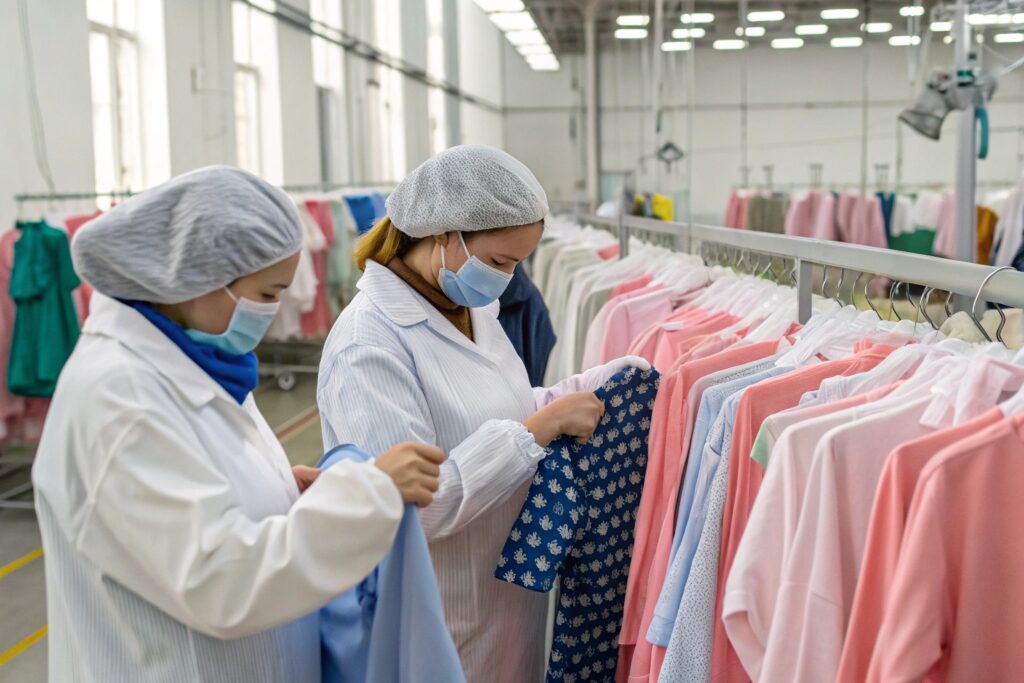
What is REACH, and how does it affect babywear brands?
REACH is a European Union regulation that aims to protect human health and the environment by regulating the chemicals used in products, including babywear. Under REACH, babywear brands must ensure that their products do not contain hazardous substances such as formaldehyde, heavy metals, or certain flame retardants. Brands that do not comply with REACH regulations may face penalties and be prohibited from selling their products in the EU market.
What is the OEKO-TEX Standard 100 certification?
The OEKO-TEX Standard 100 is an independent certification system that ensures textiles are free from harmful chemicals and safe for human use. Babywear brands that are OEKO-TEX certified have undergone rigorous testing to ensure that their products meet safety standards and do not contain harmful substances that could negatively affect babies’ health.
Why is compliance with chemical safety regulations important?
Compliance with chemical safety regulations is crucial for maintaining the safety and trust of consumers. Brands that fail to comply with these regulations risk not only legal penalties but also reputational damage. In addition, parents are more likely to choose brands that they trust to protect their babies from harmful chemicals, making compliance essential for maintaining a competitive edge in the market.
Conclusion
The presence of chemical residues in babywear poses significant risks to infants’ sensitive skin and overall health. As the demand for safer, chemical-free clothing options continues to rise, babywear brands must be proactive in ensuring their products comply with the relevant safety regulations. By responding to consumer demand for transparency and chemical-free babywear, brands can not only improve their market position but also contribute to the health and well-being of the next generation.