
Sustainability has become more than a trend—it’s now a key selling point. As both a manufacturer and a parent, I’ve seen the demand for eco-friendly clothing rise fast, especially in the kidswear category.
Brands like Patagonia, Pact, and Mini Rodini are leading the way in sustainable clothing, using organic fabrics and ethical production practices to reduce environmental impact.
In this article, I’ll walk through the top brands, materials, and sourcing channels shaping the sustainable fashion movement—especially for kids.
Which brands lead in sustainable kidswear?
Kidswear might seem small, but it carries a big environmental footprint. That’s why some brands are stepping up their efforts in sustainability.
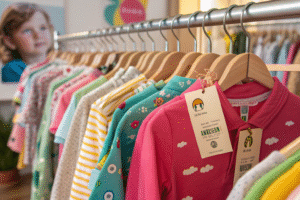
Mini Rodini, Frugi, and Hanna Andersson are among the top kidswear brands making sustainability a priority, using GOTS-certified cotton and ensuring ethical manufacturing.

Leading sustainable kidswear brands
| Brand Name | Sustainability Highlights | Country |
|---|---|---|
| Mini Rodini | GOTS certified, organic and recycled fabrics | Sweden |
| Frugi | 100% organic cotton, recyclable packaging | UK |
| Hanna Andersson | OEKO-TEX certified, safe dyes | USA |
| Mori | Bamboo-cotton blends, ethical factories | UK |
| Colored Organics | Fair labor certified, organic cotton | USA |
These brands focus on softness, safety, and sustainability—everything today’s parents want. As a manufacturer, I’ve worked with clients who take similar paths, blending sustainability with comfort and style.
Do big fashion labels offer eco-friendly lines?
Many big brands have faced criticism for fast fashion. But are they making real progress with eco-friendly options?
Yes, major fashion labels like H&M, Zara, and Nike have launched eco-friendly collections, though opinions differ on how sustainable they truly are.

Eco initiatives from large brands
- Zara Join Life: Uses eco fabrics like TENCEL™ and recycled polyester
- H&M Conscious: Focuses on organic cotton and water-saving dyes
- Nike Move to Zero: Targets zero carbon and waste with recycled materials
- Adidas Parley: Partners with Parley for the Oceans to use marine plastic
But here’s the catch: sustainability at scale is hard. Critics argue these collections account for only a small fraction of their output. That said, they do offer better options than standard fast fashion lines.
For small business owners like us, it shows that even giants are feeling the pressure—and the opportunity—of going green.
Where to source organic baby clothes
If you’re like me—sourcing for brand clients or private labels—you’ll want reliable, certified factories for bulk babywear. So where to start?
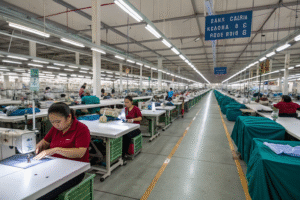
China, India, and Turkey lead in organic babywear production, with many suppliers offering GOTS or OEKO-TEX certified lines available in low MOQs.

What to look for in a supplier:
- Certifications: GOTS, OEKO-TEX, or BCI labels
- MOQ flexibility: Small runs for niche babywear brands
- Customization: Ability to add your labels, packaging
- Material library: Bamboo, modal, organic cotton blends
| Country | Strengths | Sample Suppliers |
|---|---|---|
| China | Fast delivery, affordable organic lines | Fumao Clothing, Kidsun, Lintex |
| India | Cotton-rich sourcing, GOTS leadership | Prakash Cotton, Organic & More |
| Turkey | EU proximity, sustainable blends | Sanko, Bossa, Kipas Denim |
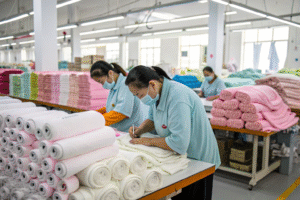
At Fumao, we offer GOTS-certified organic babywear with 5 production lines and DDP delivery. I’ve worked with U.S. buyers who needed low-MOQ baby bodysuits in pastel palettes—and we delivered within 30 days, all certified.
What fabrics do ethical brands use most?
You can’t talk about sustainability without talking about fabric. The type of fiber matters just as much as how it’s made.
Ethical brands most often use organic cotton, bamboo blends, TENCEL™, and recycled polyester, due to their low environmental impact and skin safety.

Popular sustainable fabrics:
| Fabric Type | Why It’s Popular | Notes |
|---|---|---|
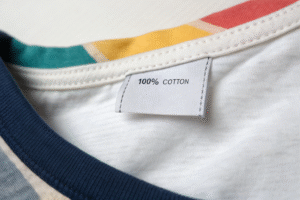
| Organic Cotton | Grown without pesticides, soft feel | Ideal for baby and kidswear |
| Bamboo Viscose | Antibacterial, breathable | Watch for chemical processing |
| TENCEL™ | Water-efficient, closed-loop process | Often used in premium brands |
| Recycled Poly | Diverts plastic waste | Best for outerwear |
| Hemp | Grows fast, durable, needs no chemicals | Rougher texture, niche appeal |
Key certifications:
- GOTS: Organic process from field to finished product
- OEKO-TEX Standard 100: No harmful chemicals in fabric
- GRS: Recycled material certification
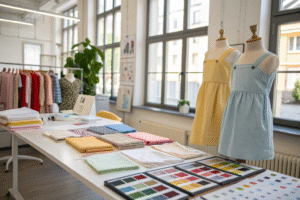
At our factory, we stock pre-approved fabrics and lab dips that meet these standards. It saves time and reassures buyers. I always advise clients to request sample swatches early—sustainability must also feel good on the skin.
Conclusion
More clothing brands now make or sell sustainable clothes—from niche kidswear pioneers to mainstream fashion giants. Whether you’re buying retail or sourcing in bulk, focusing on certified fabrics and ethical partners is the key to long-term value.