When I started sourcing materials for our kidswear collections, I quickly learned that parents don’t just look at color or price—they care deeply about the fabric that touches their child’s skin.
The best fabric for kids is soft, breathable, non-toxic, and easy to wash. Cotton, especially organic cotton, remains the safest and most versatile choice for children’s clothing.
Let me break down what fabrics actually work best for babies, toddlers, and active kids—and why fabric choice can make or break a parent’s buying decision.
Is cotton the safest fabric for children’s skin?
Many parents ask me this during development calls: “Is it okay if we just use regular cotton?” That question deserves a full answer.
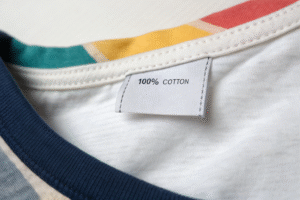
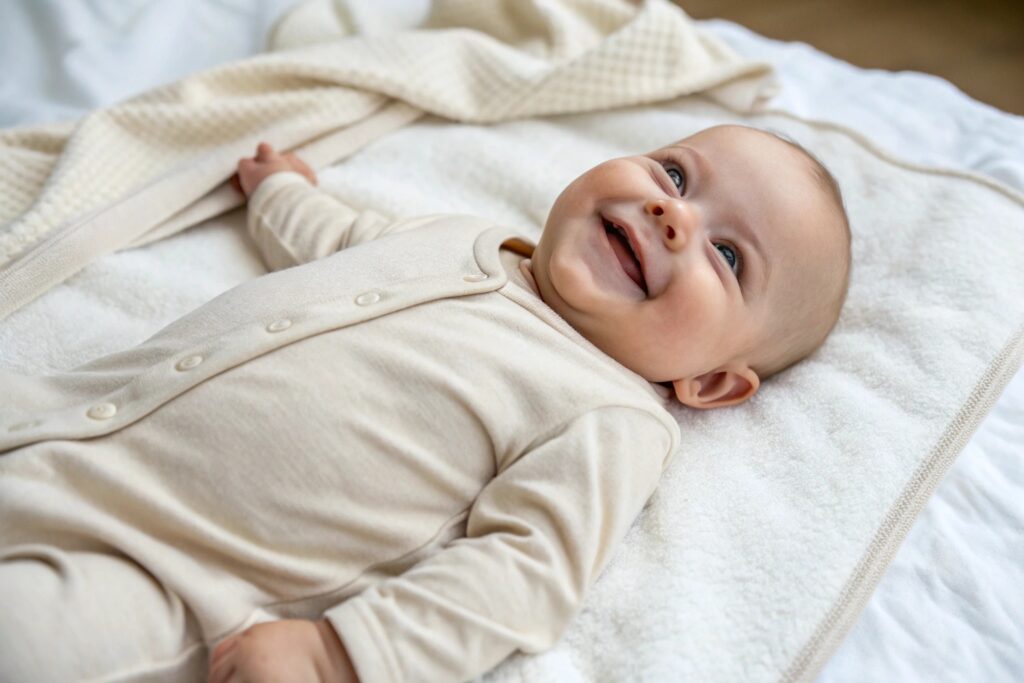
Yes, cotton—especially organic cotton—is widely regarded as the safest fabric for children’s skin due to its softness, breathability, and absence of harsh chemicals.
Why cotton is preferred for kids:
| Feature | Benefit for Kids |
|---|---|
| Breathable | Reduces risk of overheating |
| Hypoallergenic | Less likely to cause skin irritation |
| Soft texture | Gentle on delicate baby skin |
| Washable & durable | Withstands frequent washing |
| Natural fiber | Biodegradable and sustainable |
Most baby bodysuits, rompers, and toddler tees we manufacture use GOTS-certified organic cotton. This certification ensures no pesticides, toxic dyes, or heavy metals were used.
Cotton vs Other Fabrics
| Fabric | Skin Safety | Breathability | Washability |
|---|---|---|---|
| Organic Cotton | ✅✅✅ | ✅✅✅ | ✅✅✅ |
| Polyester | ❌❌ | ❌ | ✅✅✅ |
| Bamboo Blend | ✅✅ | ✅✅✅ | ✅✅ |
| Wool | ✅ | ✅✅ | ❌❌ |
In my experience, cotton is always the safe bet for first-time parents—and custom brands gain more trust when using it.
Which fabrics help keep babies cool and dry?
Keeping a baby cool can feel like a science experiment. The right fabric makes all the difference—especially in warm climates or during summer months.
Fabrics like organic cotton, bamboo rayon, and modal help regulate a baby’s body temperature by wicking moisture and allowing airflow.
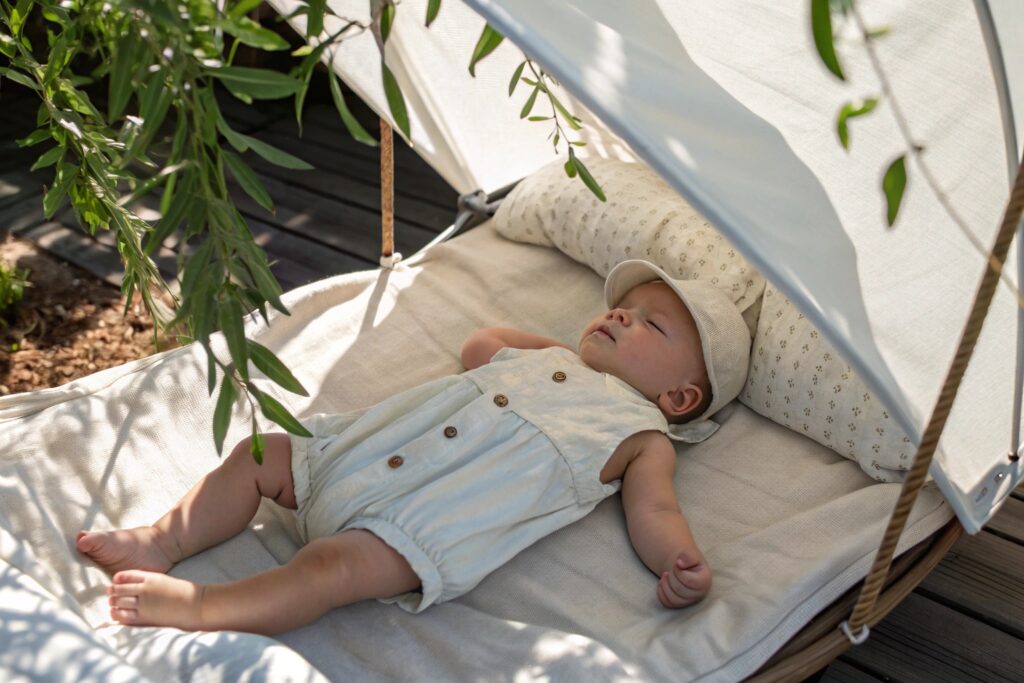
Best cooling fabrics for babies:
- Organic Cotton: Breathes well and absorbs sweat
- Bamboo Rayon: Naturally cool, antibacterial
- Modal: Smooth, stretchable, and thermoregulating
- Muslin Cotton: Light weave, perfect for hot weather
Summer Tip:
Look for open-weave knits or double gauze muslin for airy softness. We often recommend 120gsm–150gsm cotton for summer collections and baby sleeveless rompers in bamboo blends.
Sweat-prone areas to consider:
| Area | Fabric Role Needed |
|---|---|
| Neckline | Smooth seams, no tags |
| Underarms | Absorbent lining |
| Back panel | Breathable cotton mesh |
| Diaper zone | Stretchy, fast-drying |
I’ve helped brands switch from thick jersey to bamboo-modal blends—and instantly received better customer feedback from hot-climate countries.
Are organic materials better for kids clothing?
This is one of the most common buyer questions. And after handling hundreds of samples, I can confidently say yes—with a few clarifications.
Organic materials like GOTS-certified cotton are better for kidswear because they are free from harmful chemicals and safer for sensitive skin.
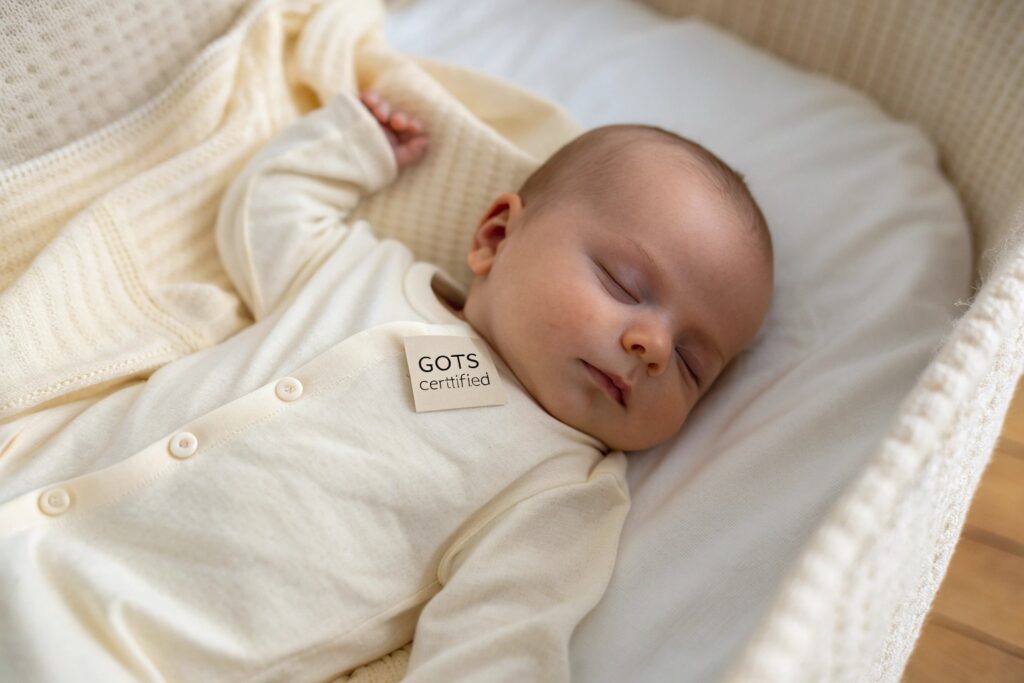
Advantages of organic fabrics:
| Benefit | Explanation |
|---|---|
| No pesticides or harsh dyes | Safer for baby’s skin |
| Environmentally responsible | Helps eco-conscious parents feel good |
| Softer texture | Naturally gentle without processing |
| Certified safety | Trust-building for retail and online |
Common organic kidswear fabrics:
- Organic Cotton – most widely used
- Organic Bamboo Viscose – very soft, but sourcing matters
- Organic Wool – niche for winterwear
Certifications to check:
| Label | What It Means |
|---|---|
| GOTS | Entire process certified organic |
| OEKO-TEX | Tested for harmful substances |
| USDA Organic | U.S.-grown cotton standard |
For Fumao’s clients, we offer both GOTS and OEKO-TEX-certified options. In fact, a U.S. brand we work with recently rebranded using only OEKO-TEX organic cotton—and their sales doubled.
What cloth is best for active toddlers to wear?
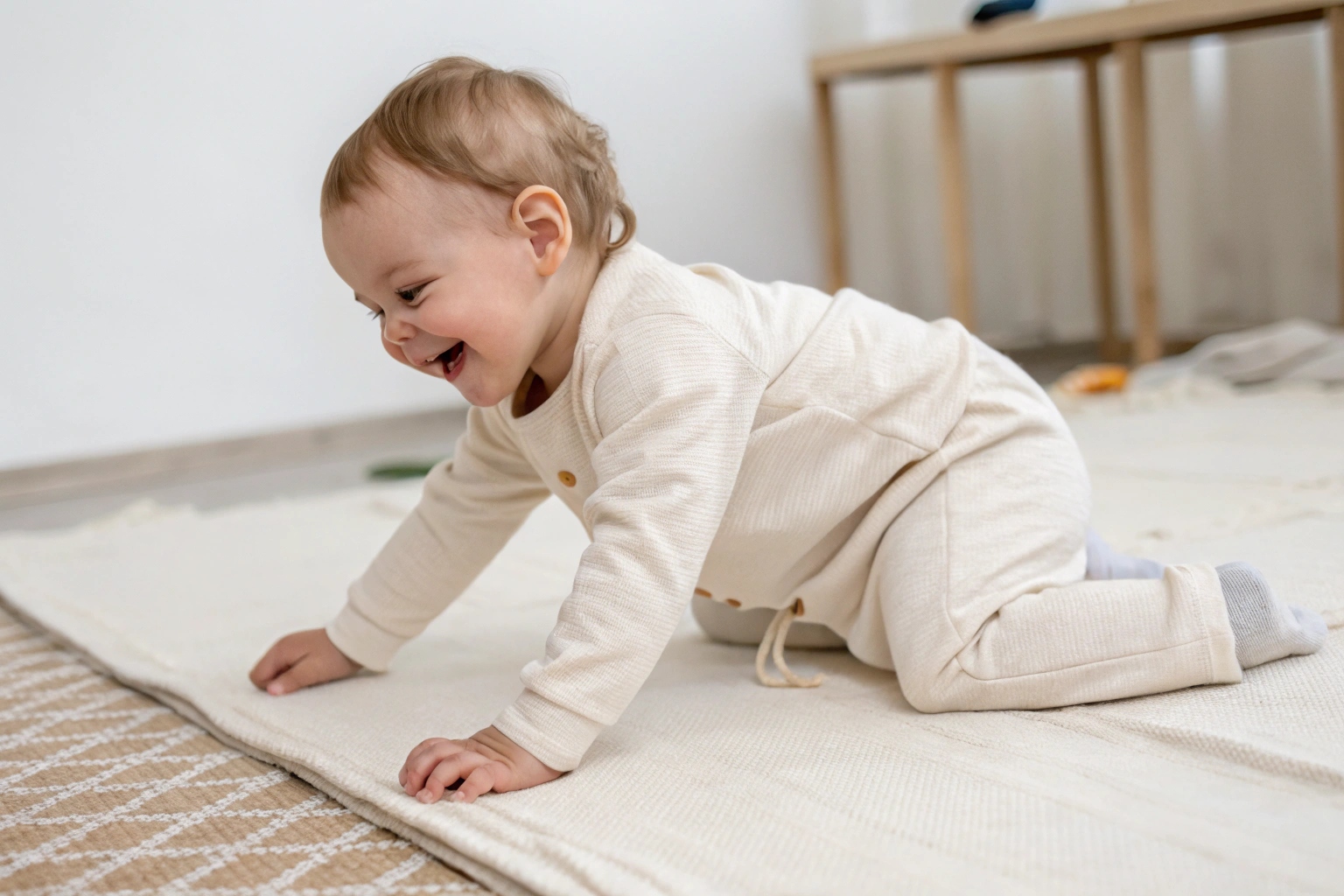
Toddlers are movers. Crawling, jumping, rolling—they need clothing that stretches, resists tearing, and keeps up with their chaos.
Cotton-spandex blends, bamboo-modal, and French terry are ideal for active toddlers. These fabrics balance comfort, stretch, and durability.
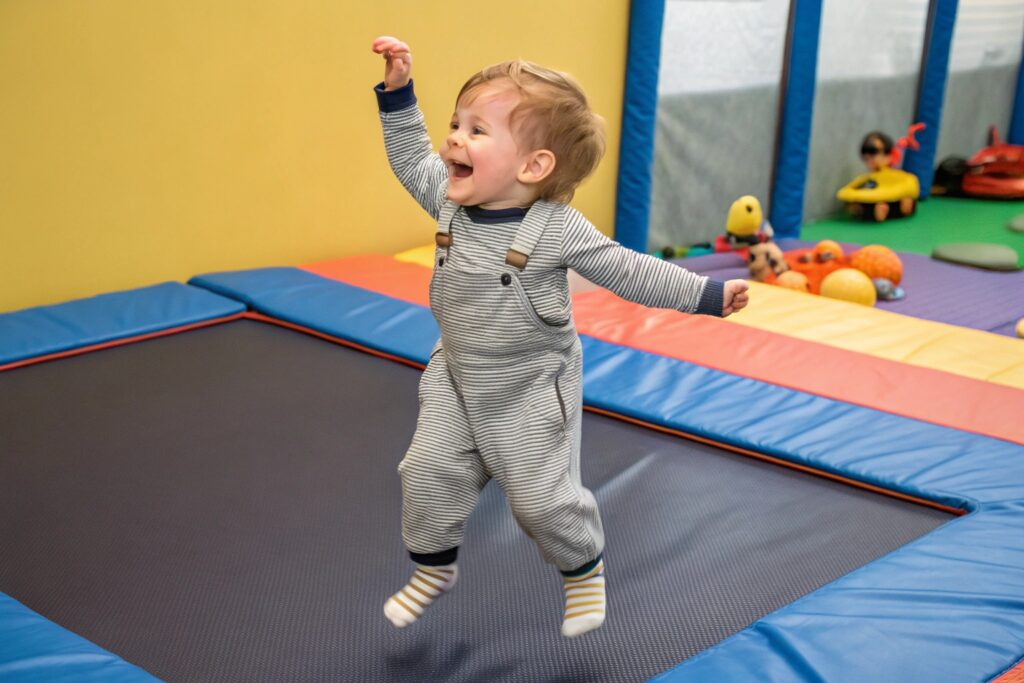
Toddler-approved fabric types:
| Fabric | Pros | Ideal Products |
|---|---|---|
| Cotton-Spandex | Stretchy, soft, durable | Leggings, joggers |
| Bamboo-Modal Blend | Breathable, flexible | Tees, loungewear |
| French Terry Cotton | Absorbent, cozy, warm | Sweatshirts, playwear |
| Interlock Knit | Double-knit, holds shape well | Rompers, tops |
Activewear design tips:
- Reinforced knees for pants
- Tagless neck labels for comfort
- Flat seams to avoid skin irritation
- Covered elastic waistbands
A lot of startup kidswear brands I’ve helped started with simple cotton tees. But as they grew, we added joggers, hoodies, and even stretch rompers—all in blended knits.
Durability + softness is key. Parents won’t re-buy if clothes tear or scratch.
Conclusion
The best cloth materials for kids combine softness, safety, breathability, and durability. From organic cotton to toddler-ready blends, choosing the right fabric builds brand loyalty and wins parent trust.