
When it comes to baby clothing, safety is not optional—it’s the law. U.S. regulations require stringent compliance standards, and today’s parents are also looking for sustainable, chemical-free, and ethically made garments for their babies.
The top baby clothing certifications for the USA include CPSIA, OEKO-TEX Standard 100, GOTS, ASTM, and UL flammability compliance. These ensure garments are free from harmful chemicals, safe for infant wear, and properly labeled for traceability.
As a factory that produces baby apparel for leading U.S. brands, we help clients navigate this complex certification landscape. In this article, I’ll break down which certifications matter most, how to verify them, and what buyers should ask suppliers before placing an order.
Why Is CPSIA Compliance Mandatory for Baby Apparel?
The Consumer Product Safety Improvement Act (CPSIA) is the cornerstone of baby apparel regulation in the U.S. It applies to all products intended for children under age 12, with even stricter standards for infants.
CPSIA compliance is mandatory and includes lead testing, phthalate limits, flammability, small parts safety, and traceable labeling.

What Are the Main CPSIA Testing Requirements?
All baby clothing sold in the U.S. must pass:
- Lead content limit: < 100 ppm in substrates and < 90 ppm in paints/coatings
- Phthalate restrictions: Only 6 types allowed under specific limits
- Flammability test: Fabrics must be Class 1 under 16 CFR Part 1610
Use CPSC-approved labs like QIMA or Intertek to certify your products.
What Is a Children’s Product Certificate (CPC)?
A CPC is a mandatory document that must accompany each baby clothing shipment. It includes:
- Product identification
- Contact information
- Applicable safety rules
- Third-party testing information
The U.S. CPSC website has templates and full guidelines.
What Is OEKO-TEX Standard 100 and Why Do Parents Care?
As buyers and parents become more conscious of chemical exposure in baby textiles, OEKO-TEX Standard 100 has become one of the most trusted safety certifications worldwide—even though it’s not mandatory in the U.S.
OEKO-TEX ensures that every component of a baby garment—fabric, thread, buttons, labels—is tested for over 100 harmful substances.

Is OEKO-TEX Standard 100 Valid for Babies?
Yes. OEKO-TEX has Class 1 certification, specifically for infants and toddlers up to age 3. This class tests for:
- Formaldehyde
- Heavy metals
- Azo dyes
- Pesticide residues
Search certificates using the OEKO-TEX Label Check Tool.
Do All Factories Offer OEKO-TEX Certified Products?
Not necessarily. Some suppliers use OEKO-TEX certified fabrics but are not themselves certified. Ask whether the factory:
- Has its own OEKO-TEX scope certificate
- Sources from certified mills (with transaction numbers)
You can cross-check mills at Testex or Hohenstein, two OEKO-TEX partner labs.
What Is GOTS and How Does It Support Organic Claims?
“Organic” labeling on baby clothes means little without proper certification. The Global Organic Textile Standard (GOTS) is the most recognized label for verifying truly organic production from field to factory.
GOTS certification covers organic fiber sourcing, eco-safe dyeing, ethical labor, and traceability—making it ideal for baby clothing brands targeting eco-conscious consumers.

What Are the Key GOTS Criteria for Babywear?
- Minimum 95% certified organic fibers
- Low-impact dyes only
- No chlorine bleaching or toxic softeners
- Social compliance: No child labor or forced labor
See full standards at Global Standard GOTS.
How Can You Verify a Factory’s GOTS Status?
Always ask for:
- Valid Scope Certificate (SC)
- Latest Transaction Certificate (TC) for the batch
- Manufacturer’s GOTS ID to verify on GOTS Public Database
Many U.S. retailers like Hanna Andersson now require GOTS for all infant clothing lines to meet internal sustainability goals.
Are There Additional U.S. Flammability and Labeling Standards?
In addition to CPSIA, U.S. baby sleepwear—especially pajamas and onesies—must meet specific flammability standards. These are regulated under 16 CFR Part 1610 and 1615/1616 by the CPSC.
Compliant factories must test all sleepwear intended for children aged 9 months to 14 years for flame resistance, or prove exemption due to snug fit.

What Are the Snug-Fitting Sleepwear Rules?
If the garment:
- Fits snugly
- Does not exceed width measurements per CPSC chart
- Lacks fluffy or brushed fabrics
…it may be exempt from flame retardant treatments. Read more at the CPSC Sleepwear Guidelines.
Snug garments must carry specific labels stating: “For child’s safety, garment should fit snugly…”
What Labels Are Legally Required on Baby Clothing?
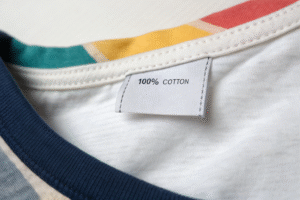
CPSIA and FTC both require:
- Tracking label (manufacturer, batch ID, date)
- Country of origin
- Fiber content
- Care instructions
Failing to comply can result in seizures at customs. Use SGS or Bureau Veritas to validate your garment labels.
Conclusion
When it comes to baby apparel, certification is your strongest marketing and legal shield. U.S. buyers and consumers expect high standards—and the best suppliers know how to deliver them.
Let’s recap the most important baby clothing certifications for the U.S. market:
- CPSIA: Mandatory for all children’s apparel
- OEKO-TEX Standard 100: Global proof of chemical safety
- GOTS: Best for organic fiber traceability and ethical production
- 16 CFR 1610 & 1615/1616: Flammability standards for infant sleepwear
- Proper tracking labels: Required for U.S. retail or eCommerce
At Fumao Clothing, we provide full transparency—from certified fabric sourcing to GOTS transaction certificates and CPSIA batch testing. If you’re building a babywear brand for the U.S. market, partner with factories that understand—and meet—these certification standards.
Because nothing should be more secure than the clothes a child wears.