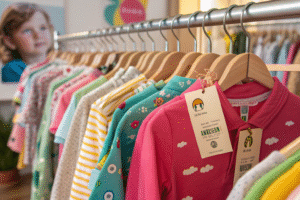
Quality is non-negotiable in baby clothing. One tiny defect can not only damage your brand reputation but also pose real risks to infants. Unlike adult fashion, babywear demands higher compliance with safety, comfort, and durability standards.
The key baby clothing quality control steps include material inspection, stitching evaluation, sizing accuracy, and regulatory compliance checks. These stages ensure the garments are not only cute and comfortable but also safe for delicate skin and development.
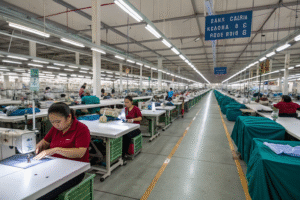
In this article, I’ll walk you through how our factory—Fumao Clothing—performs critical QC processes in each phase of production. This guide is a must-read for brand buyers, sourcing agents, and distributors seeking consistent high standards in babywear production.
How Important Is Fabric and Trim Inspection Before Production?
Before a single stitch is made, raw materials must pass strict inspection. This first step lays the foundation for everything that follows.
Pre-production inspection focuses on fabric weight, fiber content, color fastness, and accessory safety. Any irregularity can affect not just quality, but also post-wash performance or baby safety.

What tests should be done on baby fabric?
Baby fabric must meet global softness and safety benchmarks. We check for color fastness to saliva and sweat, shrinkage, pilling resistance, and fabric GSM. For example, cotton jersey used in bodysuits must not bleed colors after washing or irritate skin after hours of contact.
Trim elements like snaps, zippers, or labels must be free from sharp edges or choking hazards. Only OEKO-TEX or EN-certified trims pass our sourcing list.
How do you avoid defects before sewing?
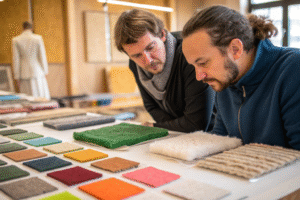
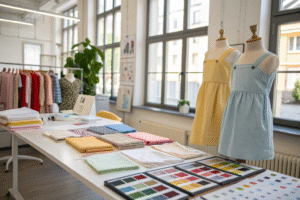
We use a 4-point fabric inspection system to detect weaving flaws, stains, or dye inconsistencies. Rolls with visible defects are rejected or cut out. Matching shade cards are reviewed against bulk fabric to catch mill inconsistencies.
What Stitching and Seam Checks Prevent Product Failure?
Even the softest babywear can fail if poorly stitched. Babies tug, stretch, and chew on clothing—making secure construction essential.
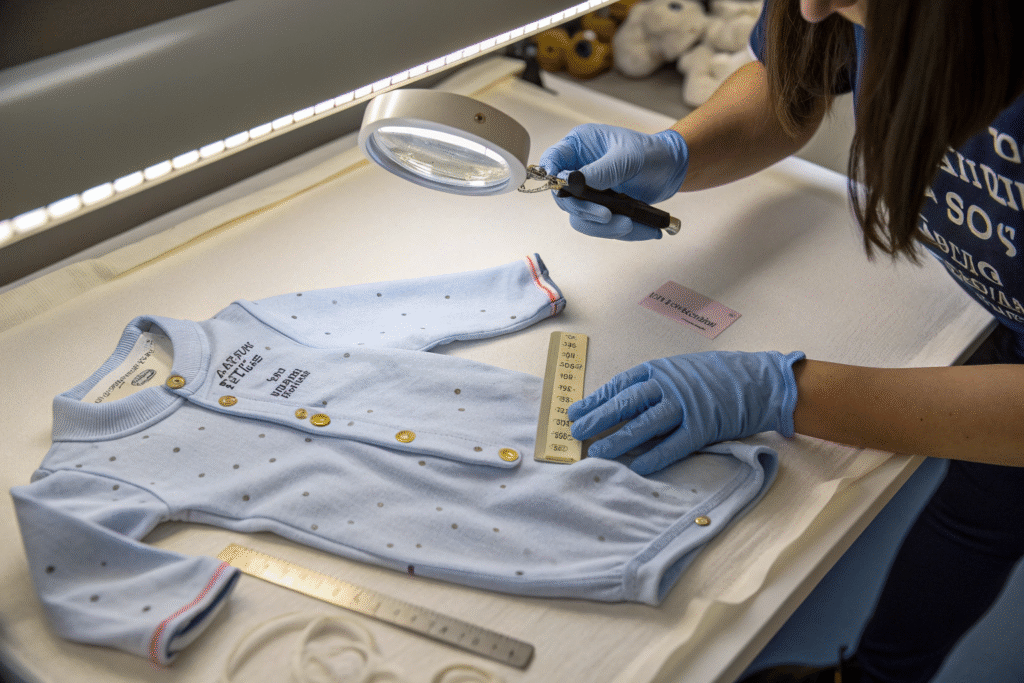
Stitch quality checks involve seam strength, thread safety, stitch spacing, and stretch recovery. Each garment is stress-tested manually and through machinery for wear simulation.
What seams are safest for babywear?
We prioritize flatlock and overlock seams, which reduce friction on delicate skin and prevent unraveling. Every seam must hold up to 5–7kg of stretch force without popping.
Threads used must be non-toxic and low-friction to avoid cuts or burns from hard fibers. Loose threads near neckline or crotch areas are flagged and trimmed during finishing.
How is sewing accuracy measured?
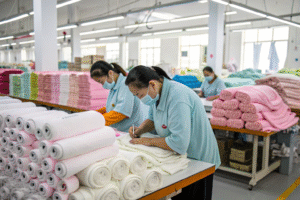
QC staff use digital calipers and seam guides to check consistent stitch-per-inch (SPI) across all garments. Uneven stitching or missed reinforcement in high-stress areas like shoulders or diaper snaps leads to rejection or rework.
How Do You Ensure Accurate Sizing and Labeling?
Sizing is critical in babywear—not just for comfort, but for safety and resale trust. Incorrect sizing leads to tight neck holes, foot constriction, or loose sleeves that can snag.
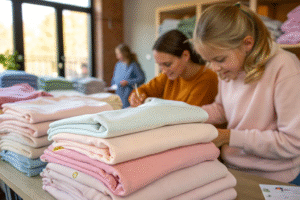
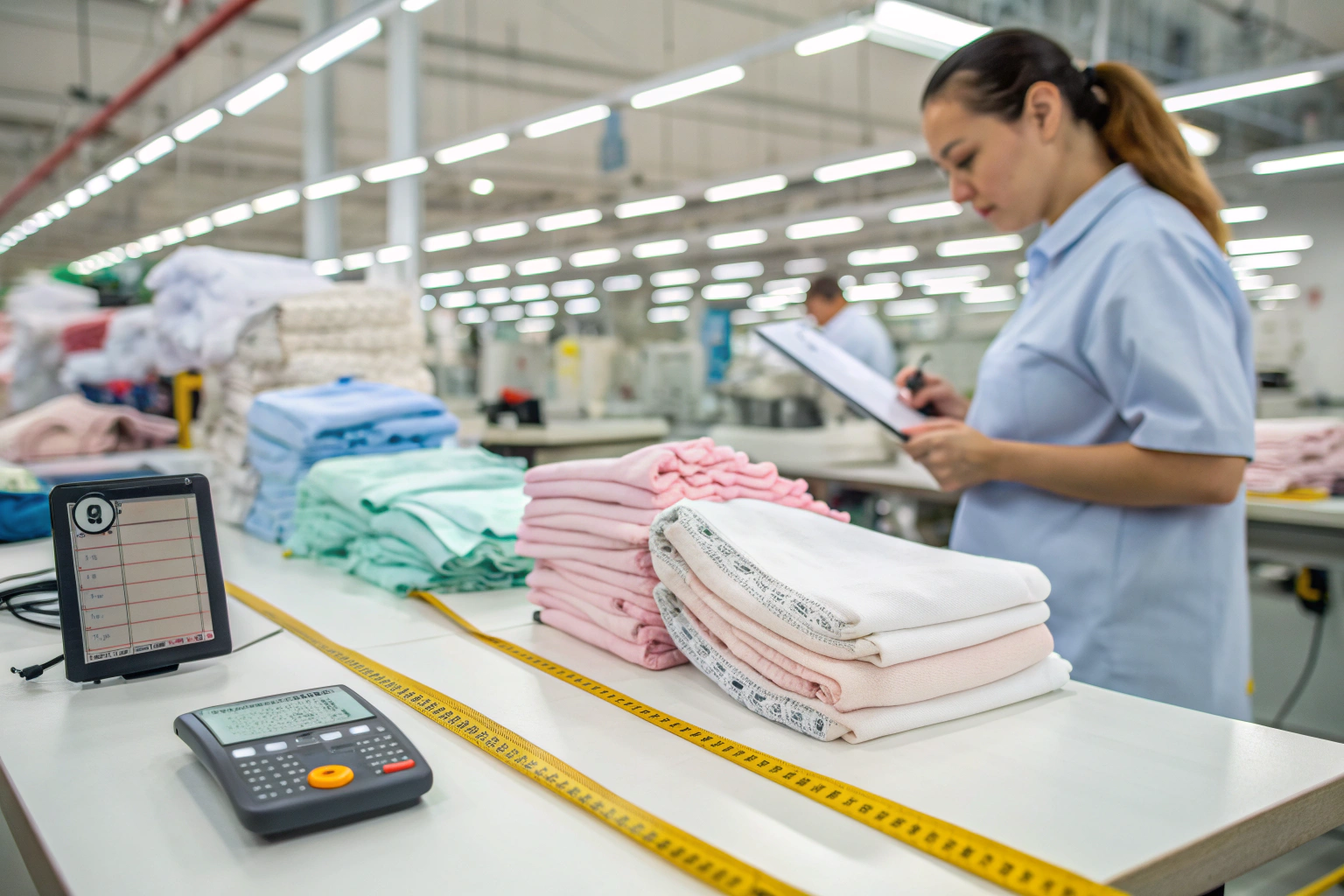
We inspect every size group with digital measuring tools, comparing each point to approved tech packs and baby growth data. We also verify labels for clarity and age accuracy.

Why is babywear sizing stricter than adult garments?
Babies grow fast, and even a 1cm deviation can affect garment function. For example, a bodysuit labeled “6-9 months” must match infant sizing standards with no more than ±0.5cm tolerance at chest, length, and sleeve areas.
Missized garments are not only uncomfortable—they’re a top reason for customer returns in babywear, especially in online retail. Brands must ensure label accuracy and consistency across SKUs and seasons.
How are label positions and print quality verified?
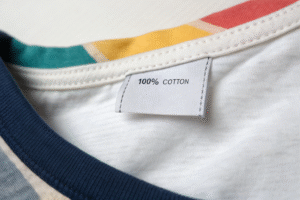
We verify heat-transfer or satin labels for legibility, washing resistance, and accurate fiber content. Neck label stitching must not scratch or peel. Some clients prefer tagless labeling, which we test via wash cycles to ensure durability.
What Final Inspection Steps Ensure Safety and Compliance?
The final step is the most crucial. It’s the last line of defense before the product goes into shipping cartons.
Our final QC includes needle detection, visual inspection, packaging review, and full compliance documentation. Garments are scanned, measured again, and packed per client instruction.

Why is needle detection mandatory?
Babywear must be 100% needle-free to prevent injury. Every batch passes through a needle detector machine calibrated to detect broken metal, loose pins, or staples hidden in cuffs or seams.
We record detection results and flag any machine suspected of contamination during a shift. All employees are trained in metal hygiene protocols.
What paperwork is needed before shipping?
Buyers require QC reports, material test reports, and compliance certifications with each shipment. These are compiled with carton IDs, barcode scans, and a full packing list and inspection summary. Only shipments that pass 100% inspection get our green seal of approval.
Conclusion
Babywear quality control is far more than thread counting—it’s a layered system of checks that protect not just your brand, but every child who wears your garments. From fabric screening and seam testing to metal detection and compliance paperwork, each step ensures comfort and peace of mind for parents and buyers alike.
At Fumao Clothing, we’ve refined our QC process to meet and exceed US and EU babywear standards. If you’re sourcing baby garments, let us help you build quality into every stitch.