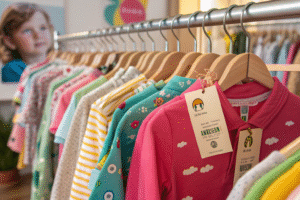
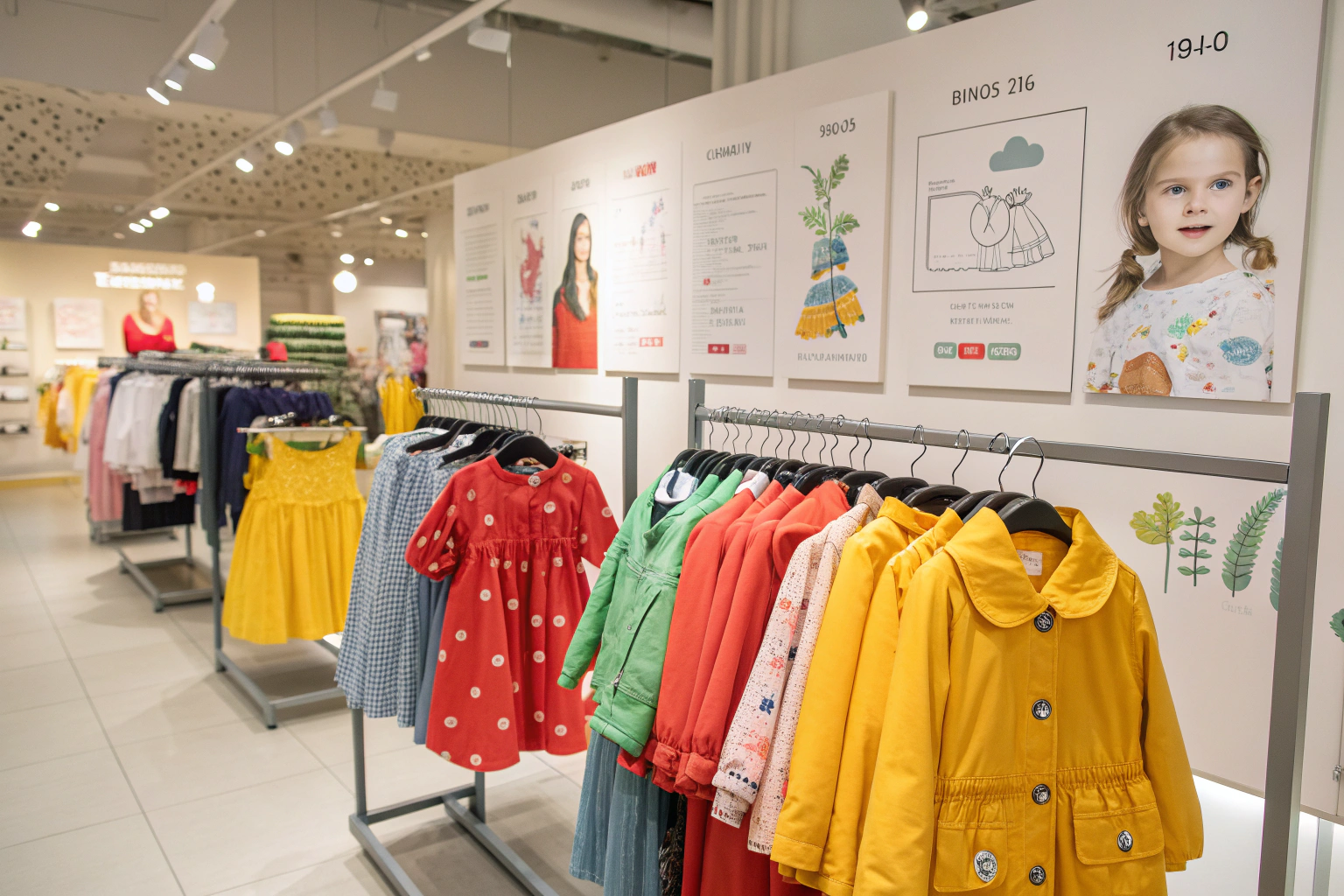
Children’s wear used to follow traditional seasons: spring/summer and fall/winter. But in today’s retail environment—especially for online and private label brands—the pace has changed. Parents demand fresh styles more frequently, trends shift with viral social media, and retailers update collections monthly.
Fast fashion cycles for children’s wear now operate on monthly or bi-monthly timelines, with many brands releasing 6–12 collections per year to meet seasonal, trend, and promotional demands.
For global buyers like Ron, understanding these cycles is essential. Whether you’re sourcing in China, Vietnam, or India, your supplier’s ability to keep up with fast-changing schedules determines your sell-through rate and margin performance. Let’s break down how this works—and how to stay ahead.
How Many Seasons Does Kidswear Have Today?
In the past, kidswear largely followed two cycles—Spring/Summer and Fall/Winter. But retail has evolved. Now, successful children’s clothing brands run mini seasons, trend capsules, and flash collections year-round.
Modern kidswear fast fashion includes 6 to 12 seasonal drops annually, aligned with school calendars, holidays, and trend peaks.

What are the common fast fashion seasons in kidswear?
Here’s a breakdown of fast-moving drops across the year:
| Month | Season/Theme | Typical Products |
|---|---|---|
| Jan–Feb | Early Spring / Basics | Cotton layering sets, pastel tops |
| Mar–Apr | Easter / Spring Break | Dresses, boys’ polos, gift sets |
| May–June | Summer | Rompers, swimwear, sleeveless outfits |
| July–Aug | Back-to-School | Uniforms, backpacks, layering pieces |
| Sep–Oct | Fall / Halloween | Sweaters, joggers, printed tees |
| Nov–Dec | Holiday / Winter | Party dresses, jackets, fleece pajamas |
Many brands also launch limited capsules for events like Earth Day or Black Friday.
Why are brands launching more frequent collections?
Thanks to fast fashion logistics and direct-to-consumer selling, brands can respond to mini trends. Social media influence (e.g. TikTok fashion moms) shortens product life cycles. One viral baby romper style may sell out in two weeks.
To stay competitive, brands are moving toward micro-seasonality, reducing inventory risk while increasing novelty. This is especially effective in toddlerwear, where fit changes rapidly and parents buy frequently.
How Long Is a Typical Children’s Wear Production Cycle?
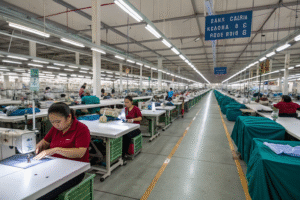
Speed is everything in fast fashion. For children’s wear, the ability to go from sketch to shipment in under two months is often the difference between selling out or marking down.
The average lead time for a fast fashion kidswear collection is 6 to 10 weeks, including design, sampling, production, and delivery.
What are the key stages in a fast fashion kidswear cycle?
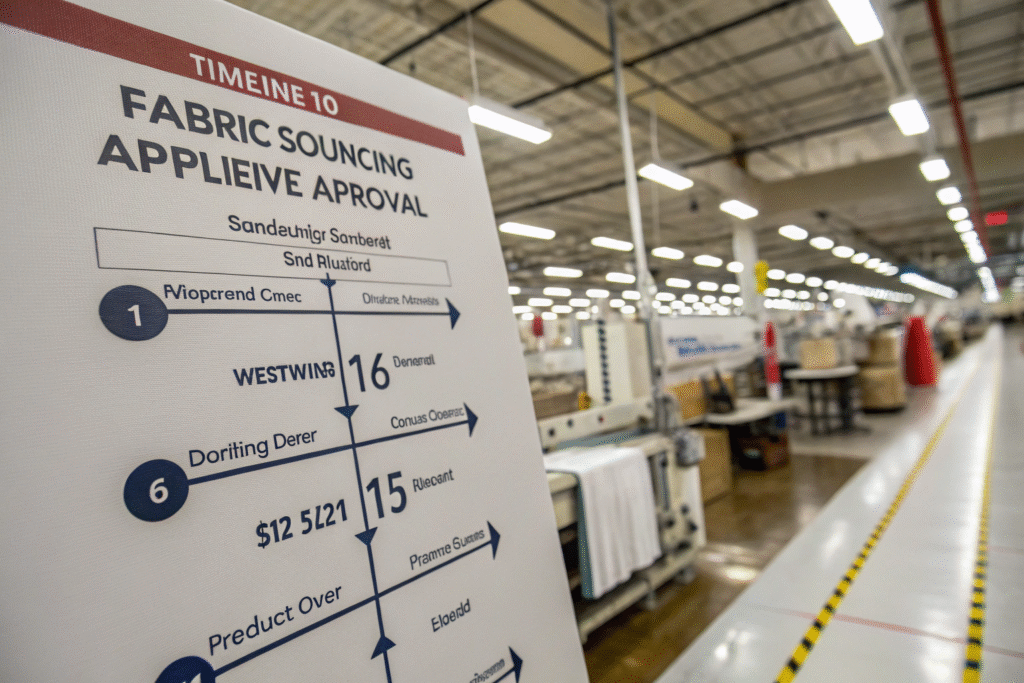
Here’s how a typical 8-week cycle breaks down:
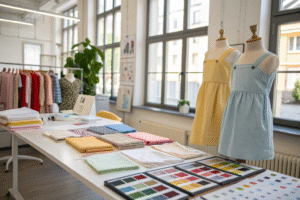
- Week 1–2: Design, sourcing fabrics, and tech pack finalization
- Week 3–4: Sample production, size fitting, and approvals
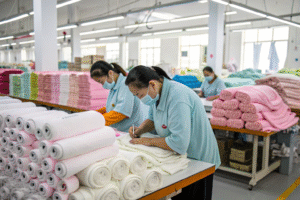
- Week 5–7: Bulk cutting, sewing, and quality control
- Week 8–9: Packing, shipping, customs clearance
Factories with in-house sampling and pattern rooms can often compress this further.
How can buyers speed up the cycle?
- Use stock fabrics to skip mill MOQs
- Approve digital samples via 3D CAD fittings
- Work with factories that offer DDP logistics to shorten delivery time
At Shanghai Fumao, our toddlerwear fast fashion program supports 24-day turnarounds for selected repeat clients—perfect for trend drops and urgent restocks.
What Sells Best in Fast Fashion Kidswear Drops?
Not every item works for fast fashion. Some require long lead times (e.g., coats), while others fly off the shelves when well-timed. Understanding what performs well in rapid cycles helps you plan smartly.
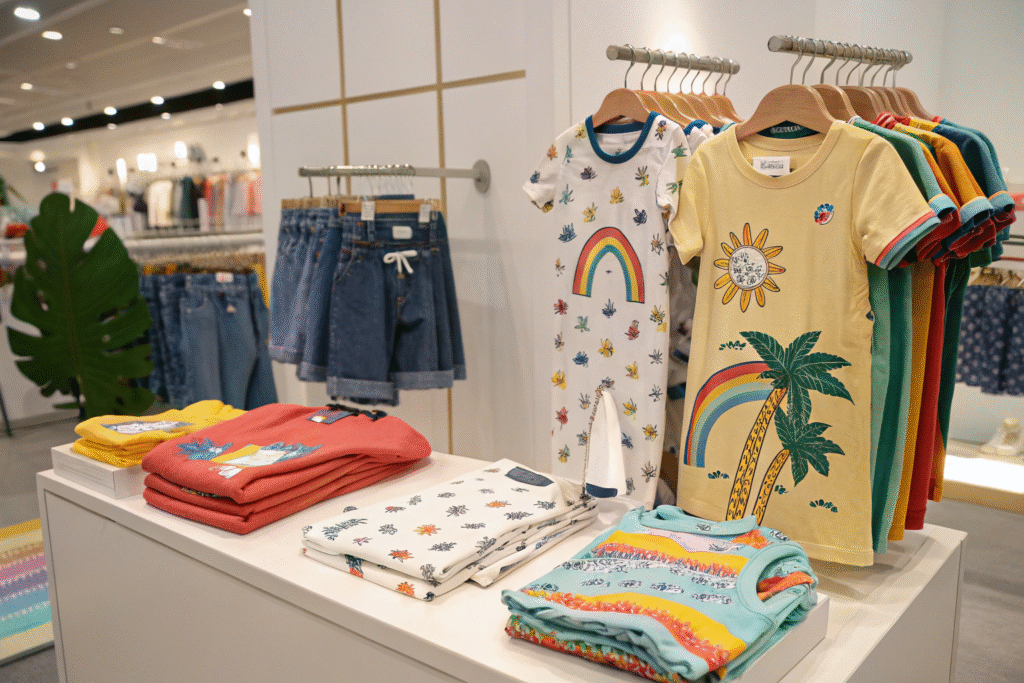
Best-sellers in fast kidswear fashion are lightweight, unisex, printed, and affordable pieces—like rompers, sets, and graphic tees.
Which styles dominate quick-turn collections?
Based on our factory orders and buyer feedback, these styles drive fast fashion success:
- Ribbed rompers (easy to fit, flexible sizes)
- Printed T-shirts (great for custom branding)
- Legging sets (mix-and-match potential)
- Light outerwear like cardigans or hoodies
- Holiday-themed loungewear
Simple silhouettes with updated graphics or trendy trims often perform better than complex new patterns.
Which fabrics support fast production?
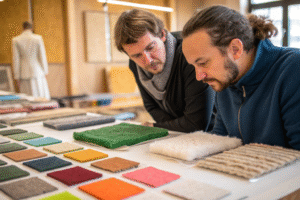
Go for fabrics that are stocked, pre-tested, and machine washable, such as:
- Cotton/spandex jersey
- Baby terry
- Bamboo viscose
- Double brushed poly
We stock OEKO-TEX®-certified fabric bases that allow print-on-demand kidswear production with turnaround in under 30 days.
How Can You Align Your Brand with Fast Fashion Responsibly?
Fast fashion has long drawn criticism for waste and exploitation. But it doesn’t have to be that way—especially in children’s wear. You can move fast and stay ethical.
Aligning your kidswear brand with fast fashion means using eco-certified suppliers, transparent timelines, and digital tools to avoid overproduction.

How can you avoid waste in fast kidswear sourcing?
- Use pre-order or waitlist models to gauge demand
- Produce in smaller drops (300–500 pcs) with restock flexibility
- Partner with suppliers offering recycled or biodegradable fabrics
We offer small-batch MOQ programs starting from 300 pcs per style and use GRS-certified recycled materials upon request.
How do audits and transparency help?
Working with BSCI-audited factories ensures you’re not rushing production at the cost of labor rights. You can also use blockchain traceability platforms to show your customers where each fast fashion drop came from.
Even simple digital dashboards tracking delivery lead times, fabric waste, and inventory turnover help brands align with conscious consumer values.
Conclusion
Fast fashion cycles in children’s wear are no longer optional—they’re standard. If you want to compete with top online brands and retain parents as repeat customers, staying agile with your product calendar is key. But speed doesn’t mean sacrificing ethics or quality—especially with the right factory partner.
At Shanghai Fumao, we help brands launch children’s wear collections every 30–45 days using reliable materials, rapid sampling, and fully certified production. Want to move fast, stay on-trend, and stay compliant? Reach out to our Business Director Elaine at elaine@fumaoclothing.com to start planning your next drop today.