Children’s clothing logistics isn’t just about moving goods—it’s about speed, care, and cost-efficiency. As the owner of a Chinese factory specializing in European and American kidswear exports, I’ve seen firsthand how poor logistics can ruin a season—and how the right logistics partner can make your brand shine.
The best logistics strategy for children’s clothing must ensure fast delivery, compliance with regulations, and protective packaging—all while keeping costs under control. DDP shipping, optimized carton design, and digital tracking systems are no longer optional—they’re the new standard.
If you’re a buyer like Ron—running a US-based brand and rebranding imported apparel—you already know timing is everything. Let’s explore how to perfect the logistics strategy for your kidswear business without compromising quality or margin.
What Is the Most Reliable Shipping Method for Kidswear?
Choosing the wrong shipping method can lead to missed back-to-school or holiday selling windows. That’s a disaster for any children’s clothing brand.
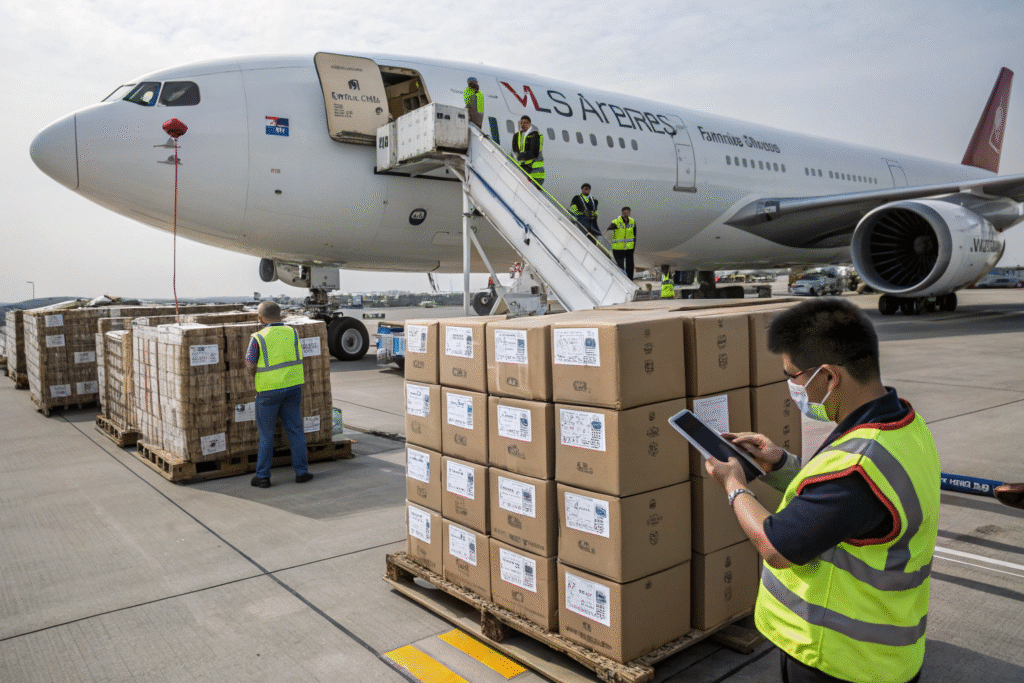
The most reliable shipping method for kidswear is DDP (Delivered Duty Paid) combined with multi-modal transport involving sea freight for bulk and air freight for replenishment. This setup ensures your goods arrive on time with fewer customs delays.
Why Choose DDP Over FOB for Children’s Clothing?
If you’re sourcing from China, understanding DDP shipping vs FOB is key. With DDP, the supplier handles customs, taxes, and final-mile delivery—ideal for buyers without a strong logistics team. It gives peace of mind and avoids delays at US ports, which are common during peak seasons.
Is Air Freight Worth It for Urgent Shipments?
Air freight is more expensive, but it’s essential for urgent deliveries, like refilling bestsellers or launching new styles. It’s ideal when small volumes need to be delivered quickly, like capsule collections or influencer campaign drops. Tools like DHL’s Express Calculator help estimate costs and transit times.
How to Prevent Damage and Delays in Transit?
Children’s clothing is vulnerable—soft cottons, printed logos, and delicate accessories like bows or buttons can be damaged easily.
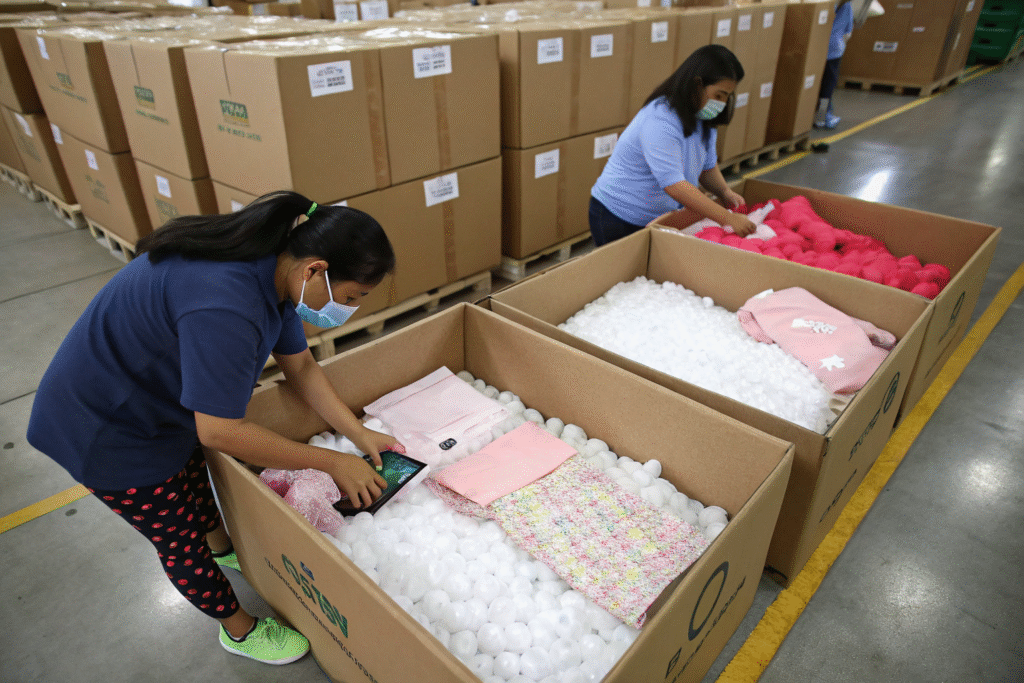
Preventing damage in transit requires optimized packaging, weather-resistant materials, and tamper-proof seals. Partnering with logistics firms that understand garment handling makes a difference.
What Are the Best Packaging Practices for Children’s Wear?
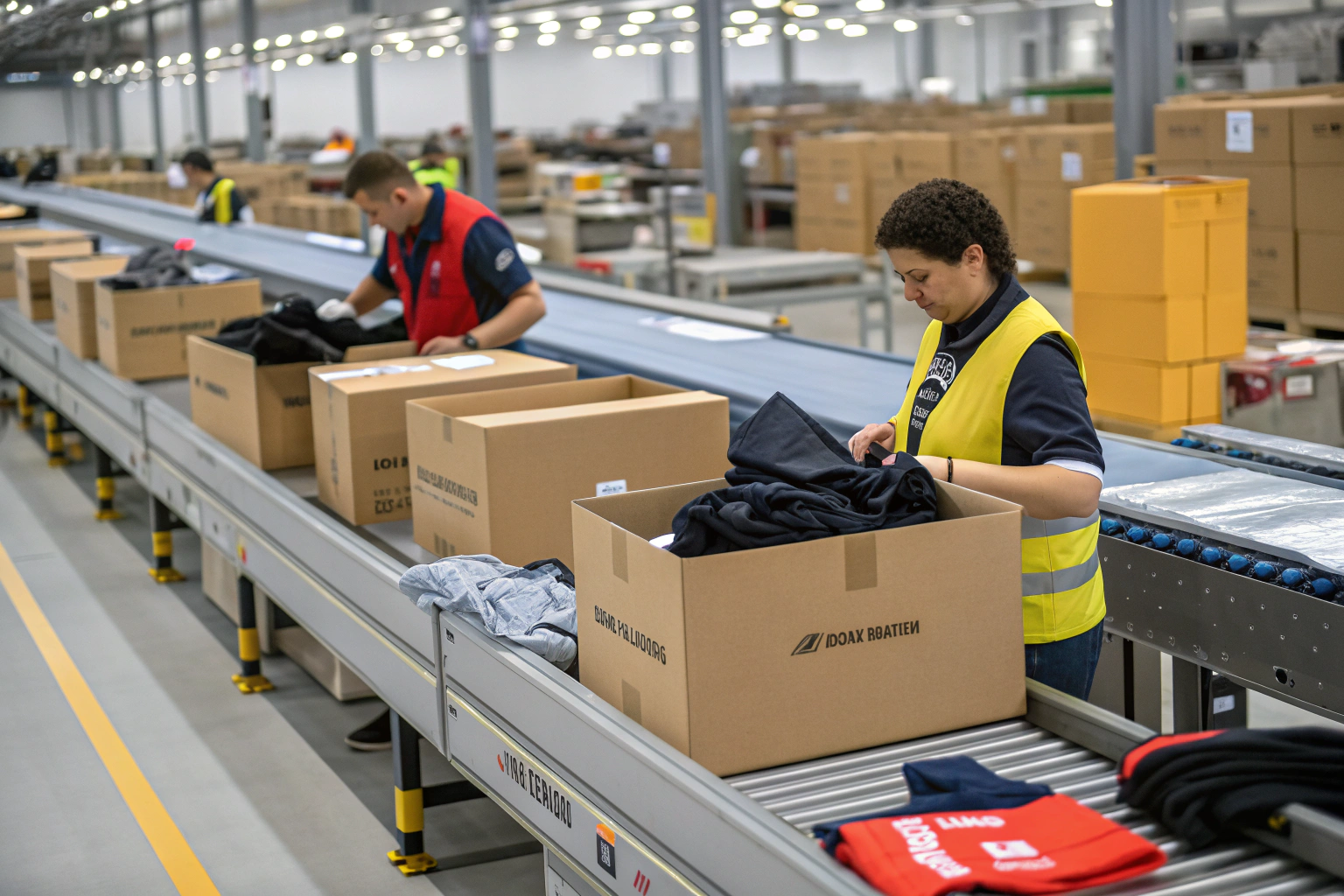
Use breathable polybags with size-sorted bundles, and cartons that meet ISTA shipping standards. Reinforce edges, avoid overfilling, and ensure moisture control. Printing barcodes and style codes on each package improves inventory flow on arrival.
How Can You Minimize Customs Delays?
Customs clearance issues often come from incomplete documentation. Make sure every shipment includes a detailed packing list, commercial invoice, and proper HS codes for kidswear. We also recommend pre-clearing with a customs broker like Flexport for smoother entry into the US or EU.
Which Logistics Tech Tools Are Essential Today?
In today’s logistics game, visibility equals power. Our clients demand real-time updates on shipments—and frankly, we rely on it to guarantee OTIF (on time in full) performance.
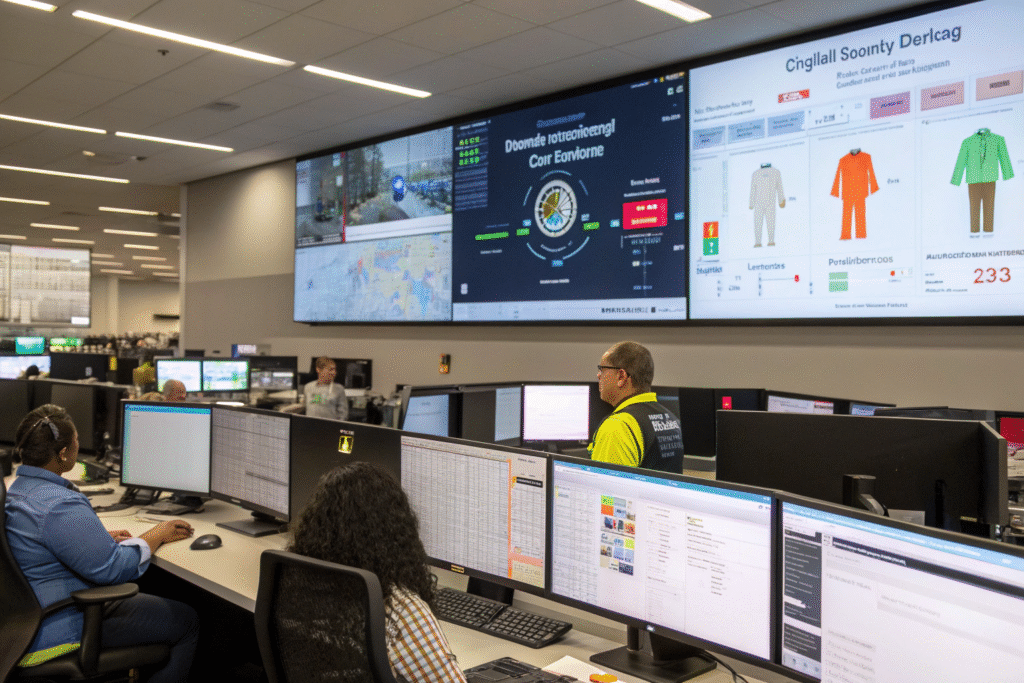
Essential logistics tools include real-time tracking platforms, automated inventory updates, and AI-based ETA forecasts.
What Are the Best Shipment Tracking Tools for Apparel?
Platforms like ShipBob and AfterShip offer end-to-end tracking with custom alerts. They integrate with Shopify and Amazon, allowing US-based buyers to inform customers when products will hit shelves or warehouses.
Can Digital Freight Booking Improve Efficiency?
Yes, using platforms like Freightos or Flexport allows for instant quotes, shipment comparisons, and optimized lead times. You can also see carrier reliability data, which helps avoid delays during port congestion or weather-related disruptions.
How to Build a Resilient Children’s Clothing Supply Chain?
Children’s fashion is seasonal and fast-moving. Miss the trend, and you miss the sales. A resilient logistics system anticipates problems and builds in backup plans.
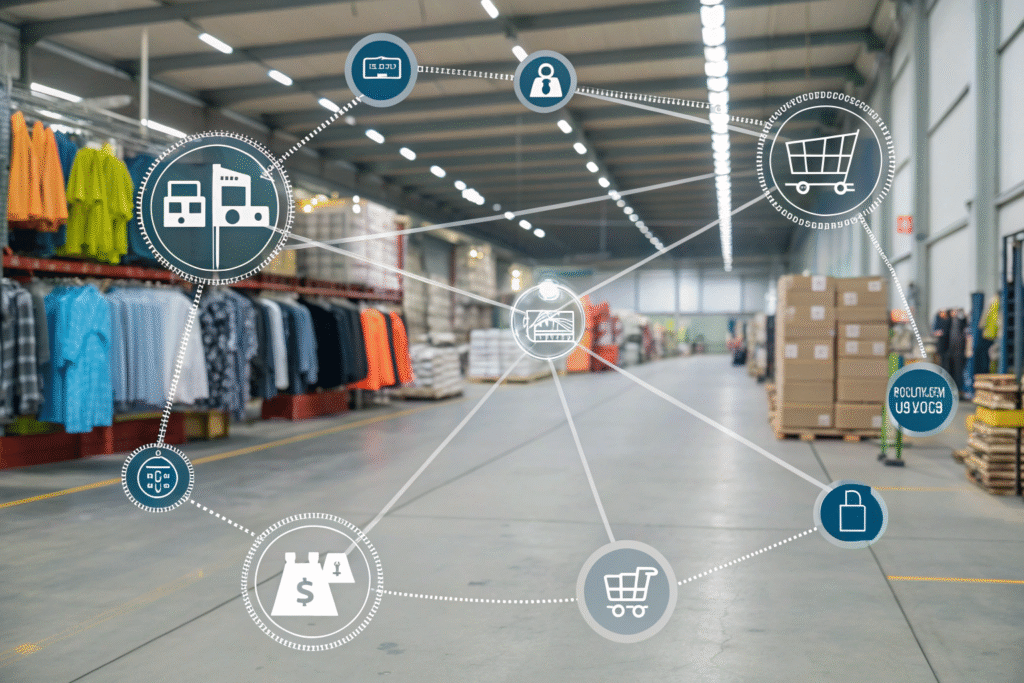
A resilient supply chain for kidswear includes diversified shipping routes, multiple warehouse options, and vendor-managed inventory agreements.
What Are Backup Solutions for Logistics Disruptions?
We recommend dual-route planning—one by sea, one by rail (for EU) or air (for urgent US demand). Keep a list of 2-3 alternate freight forwarders on standby. During COVID lockdowns, we used Cainiao and YunExpress as backups to keep goods moving.
How to Set Up a Nearshore Fulfillment Strategy?
Nearshoring means storing inventory closer to your buyers. US buyers can work with 3PLs like ShipHero to store seasonal children’s wear. This reduces fulfillment time from 25+ days to under 5 days, and is key for flash sales or influencer-driven drops.
Conclusion
Children’s clothing logistics isn’t just shipping—it’s a competitive advantage. From DDP strategies and air freight contingencies to smart packaging and digital tracking, every step matters. As a factory owner who has worked with dozens of US and EU kidswear brands, I know that smooth logistics equals faster profits.
Let’s simplify your supply chain so you can focus on scaling your brand—not chasing freight updates. At Fumao Clothing, we handle the headaches so your kidswear arrives safe, stylish, and on time.