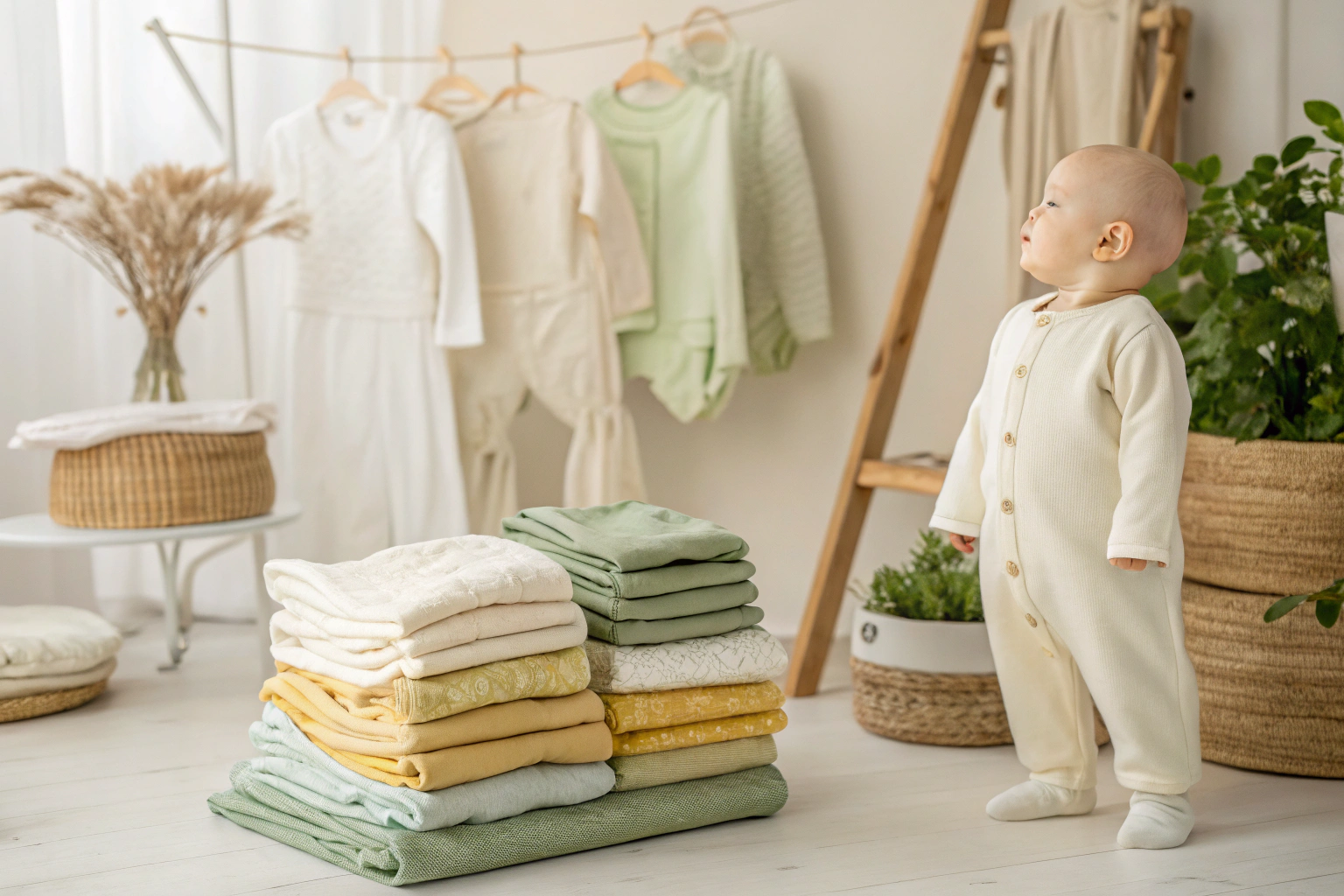
Every parent or buyer sourcing baby apparel asks the same critical question: Is this fabric safe for a baby’s delicate skin? In the world of international children’s fashion manufacturing, especially in Europe and North America, the answer comes down to fiber content, safety standards, and trust in your supplier.
If you’re sourcing wholesale baby clothes, the safest fabrics are certified organic materials like GOTS cotton, bamboo viscose, and modal that meet OEKO-TEX or CPSIA regulations.
These materials not only reduce allergic reactions and toxic risks but also align with modern parents’ demand for sustainable and soft options. Let me walk you through the best choices, how to verify their safety, and what factories like ours do to ensure compliance and comfort.
What certifications ensure fabric safety for babies?
International safety standards can feel like a maze. But if you want to guarantee fabric safety for babies, you must look beyond marketing and focus on globally recognized certifications.
What is GOTS and why does it matter?
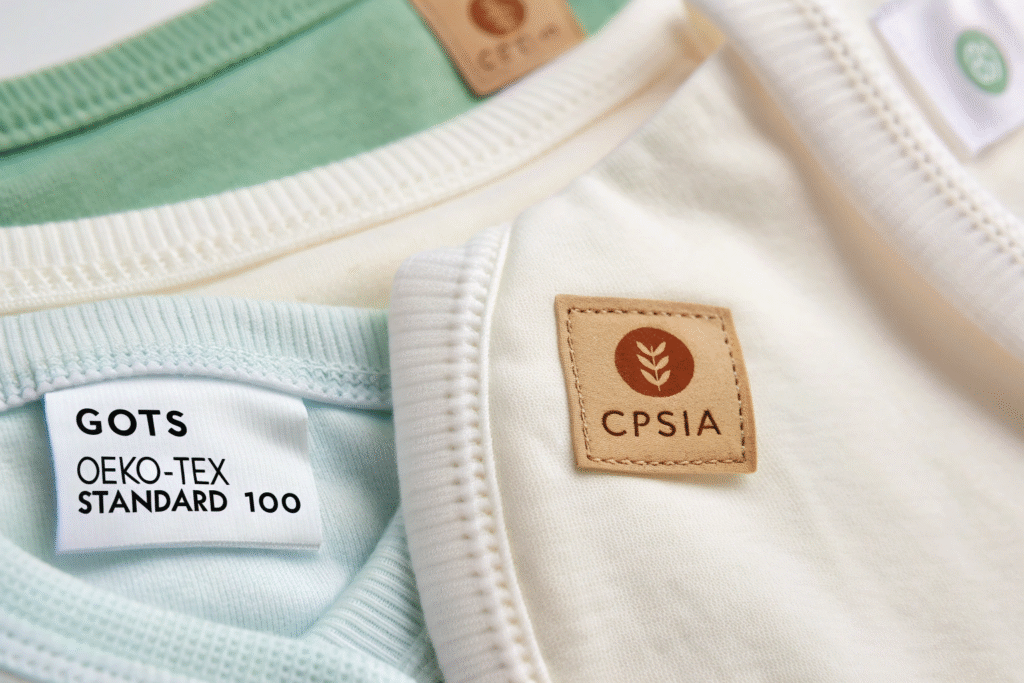
The Global Organic Textile Standard (GOTS) ensures that fabric used in baby clothing is free from harmful chemicals like formaldehyde and azo dyes. This certification also covers ethical and sustainable production. For American and European buyers like Ron, who must meet regulatory requirements in markets like California or Germany, GOTS is a non-negotiable.
Factories producing babywear should provide GOTS transaction certificates per order. If they cannot, you’re likely dealing with uncertified suppliers. You can also verify certificates on the GOTS public database.
Is OEKO-TEX Standard 100 enough?
OEKO-TEX Standard 100 is another crucial certification. While not limited to organic content, it verifies that fabrics are tested for harmful substances and safe for contact with human skin—especially Class 1, which applies to babies under 36 months.
OEKO-TEX certified fabric is often used in baby bodysuits, rompers, and sleeping sacks. When working with fabric mills or garment suppliers, always ask for class 1 reports under OEKO-TEX. Be cautious: some suppliers provide outdated or doctored PDFs. Cross-check on the OEKO-TEX certificate check.
Which natural fabrics are safest for baby clothing?
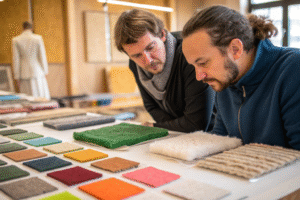
Choosing the right raw material isn’t just about softness—it’s about ensuring zero toxicity, breathability, and allergen-free performance.
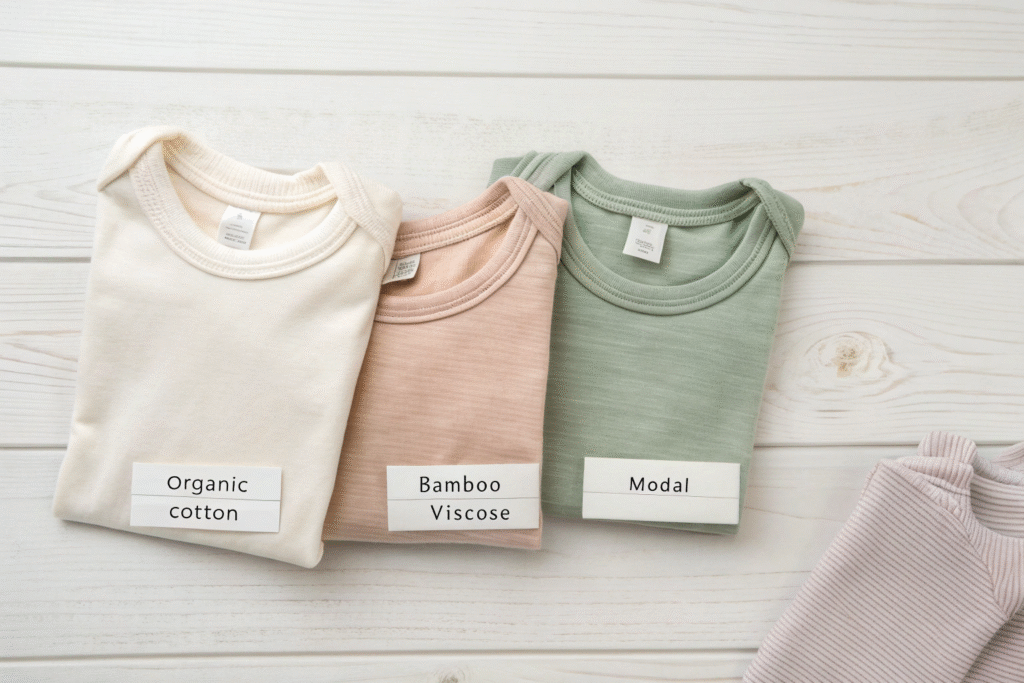
Is organic cotton still the best?
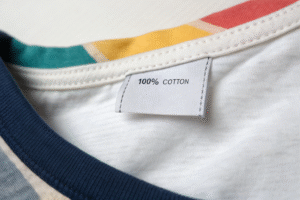
Yes, organic cotton remains the leading choice for babywear. It’s breathable, hypoallergenic, and durable for repeated washing. Compared to regular cotton, it’s farmed without pesticides and processed with safer finishes.
Brands like Burt’s Bees Baby and Finn + Emma only use GOTS-certified organic cotton, which aligns with U.S. consumer expectations. For bulk buyers, organic cotton fabric is also competitively priced, especially when purchased directly from Chinese factories offering DDP shipping.
Why is bamboo viscose rising in popularity?
Bamboo viscose is ultra-soft, moisture-wicking, and has natural antibacterial properties. It’s perfect for onesies, swaddles, and pajamas. Many buyers favor bamboo for its thermal-regulating abilities, keeping babies cool in summer and warm in winter.
However, it’s essential to ensure the bamboo fabric is processed mechanically (not chemically) and free from formaldehyde. Look for FSC-certified bamboo viscose or Lenzing-branded blends for assurance.
How can synthetic fabrics be made safe for babies?
Although natural fabrics dominate, synthetic blends are sometimes necessary for stretch, structure, or cost control. But they must be handled with caution.
Can polyester be used safely?
Yes, but only if it’s OEKO-TEX certified and free of BPA, PVC, or flame retardants. Polyester is used in fleece baby blankets, bibs, and puffer jackets. It adds durability and keeps costs down.
Major brands like Carter’s often blend polyester with cotton to strike a balance between softness and functionality. However, bulk buyers must demand transparency about finishing agents and post-processing chemicals.
What about spandex or elastane in babywear?
Spandex offers stretch and shape retention, critical for leggings, mittens, and onesies. A small percentage (5% or less) in cotton blends is acceptable, provided it passes child safety and wash testing.
Ask for compliance documents like the CPSIA Certificate of Conformity when sourcing elastane-containing items. If not provided, it’s a red flag—especially for items sold in the U.S.
What fabric tests should suppliers offer before production?
A safe fabric is not only about composition but about performance under real use. That’s why pre-production testing is vital.
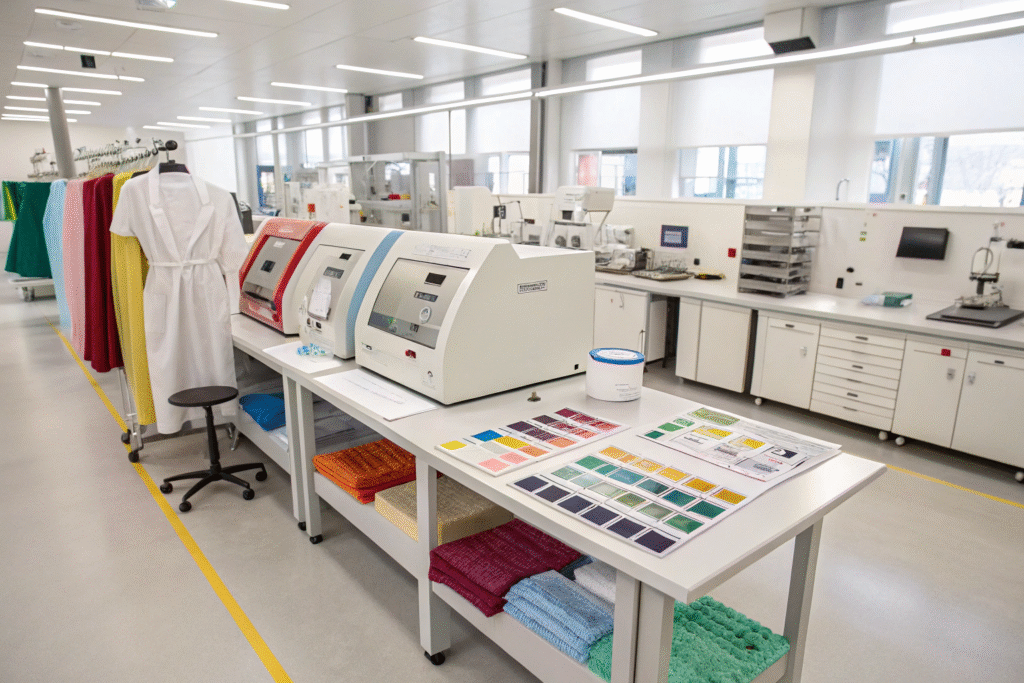
Should I ask for flammability test reports?
Absolutely. U.S. law requires babywear to comply with 16 CFR Part 1610, which sets flammability standards. Even if you’re importing pajamas or sleepwear exempted under snug-fit rules, documentation must be kept.
For European markets, check EN 14878 compliance for nightwear. We run all flammability tests via SGS or Intertek and share full reports with clients pre-production.
Is colorfastness to saliva and sweat important?
Yes—especially for baby bibs, hats, and teething toys. If fabric dyes bleed into the mouth, it can be dangerous. ISO 105-E04 and ISO 105-E01 are global testing methods for saliva and perspiration resistance. Ask your supplier to provide recent reports (within 6 months).
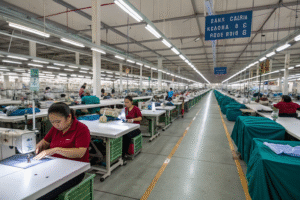
You can validate third-party testing labs to ensure the data hasn’t been altered. At our factory, we store swatch test reports per batch and allow on-site QC teams to review them before mass production.
Conclusion
When it comes to baby clothing safety, choosing the right fabric means balancing softness, performance, and compliance. As a seasoned manufacturer, we prioritize verified organic cotton, bamboo blends, and safe synthetics while aligning every production batch with international standards like GOTS, OEKO-TEX, and CPSIA.
Buyers like Ron need reliability, not just in material but in certification and communication. Our goal is to eliminate your sourcing stress with clear documentation, dependable timelines, and baby-safe results.
Partner with us, and we’ll make sure every piece in your children’s line is soft, smart, and globally compliant.