Choosing the right shipping method isn’t just about speed—it’s about balancing cost, delivery reliability, and customs compliance. Especially in the children’s clothing business, missing delivery windows can mean lost seasons, unsold inventory, and damaged retailer trust.
The best shipping methods for children’s clothing include air freight for urgent drops, ocean freight for large seasonal orders, and DDP courier solutions for small wholesale shipments.
As the owner of a baby and kidswear manufacturing facility in China, I’ve worked with hundreds of clients across North America and Europe. Each one has different logistics needs, but they all face the same pressure: delivering on time, without blowing the budget. In this guide, I’ll break down the best options and how to choose the right one for your business.
When Should You Use Air Freight for Kidswear?
Air freight is often seen as expensive—and it is. But for urgent restocks, product launches, or influencer-driven releases, nothing beats it. Children’s fashion is seasonal and trend-sensitive, so being late is worse than overpaying by a few dollars per kilo.
Air freight is best for time-sensitive shipments under 500 kg where lead time is critical and margin allows for faster delivery.
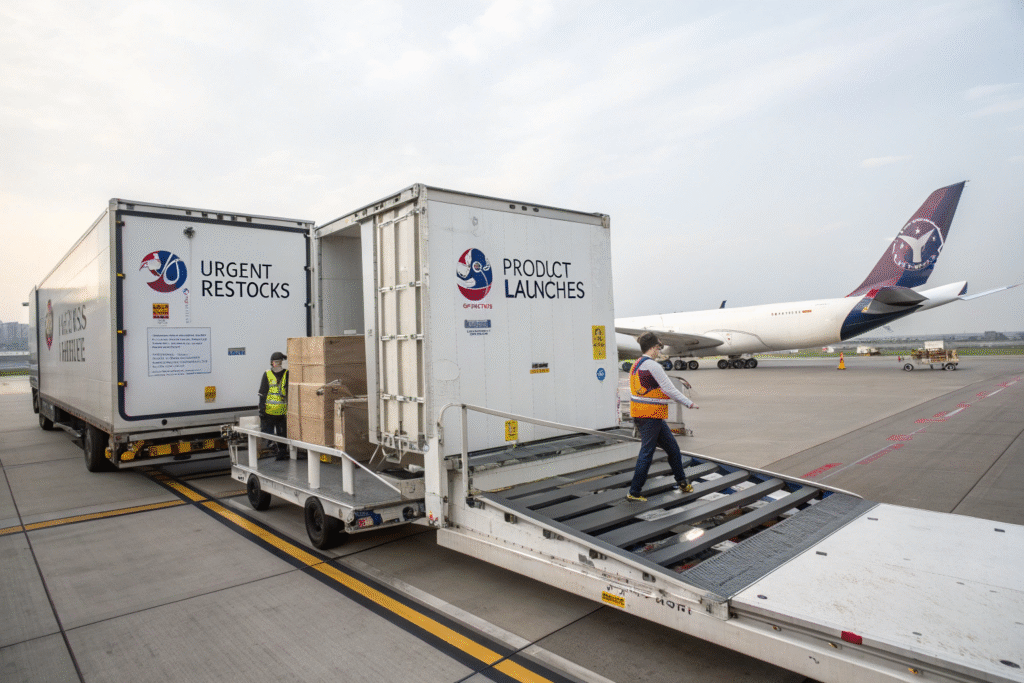
How Fast Is Air Freight from China to the U.S. or Europe?
Door-to-door transit times usually fall between 3–7 days, depending on customs and location. Main air freight hubs include Shanghai, Guangzhou, and Shenzhen. To destinations like Los Angeles, Chicago, or Frankfurt, flight availability is daily.
According to Freightos, express air freight via DHL or FedEx takes 3–5 days, while economy air freight through airlines takes about 5–8 days with proper clearance.
Is Air Freight Worth the Cost for Kidswear?
It depends. A small 150 kg shipment of knit baby rompers might cost $4/kg for air freight. But if you’re selling at $18 per piece and shipping mid-season, fast delivery can avoid markdowns or cancellation from retailers.
We often help clients split shipments: urgent SKUs via air and balance by sea. This reduces risk without breaking the budget. Use a calculator like ShipHub to estimate upfront.
Why Is Ocean Freight Ideal for Bulk Children’s Apparel?
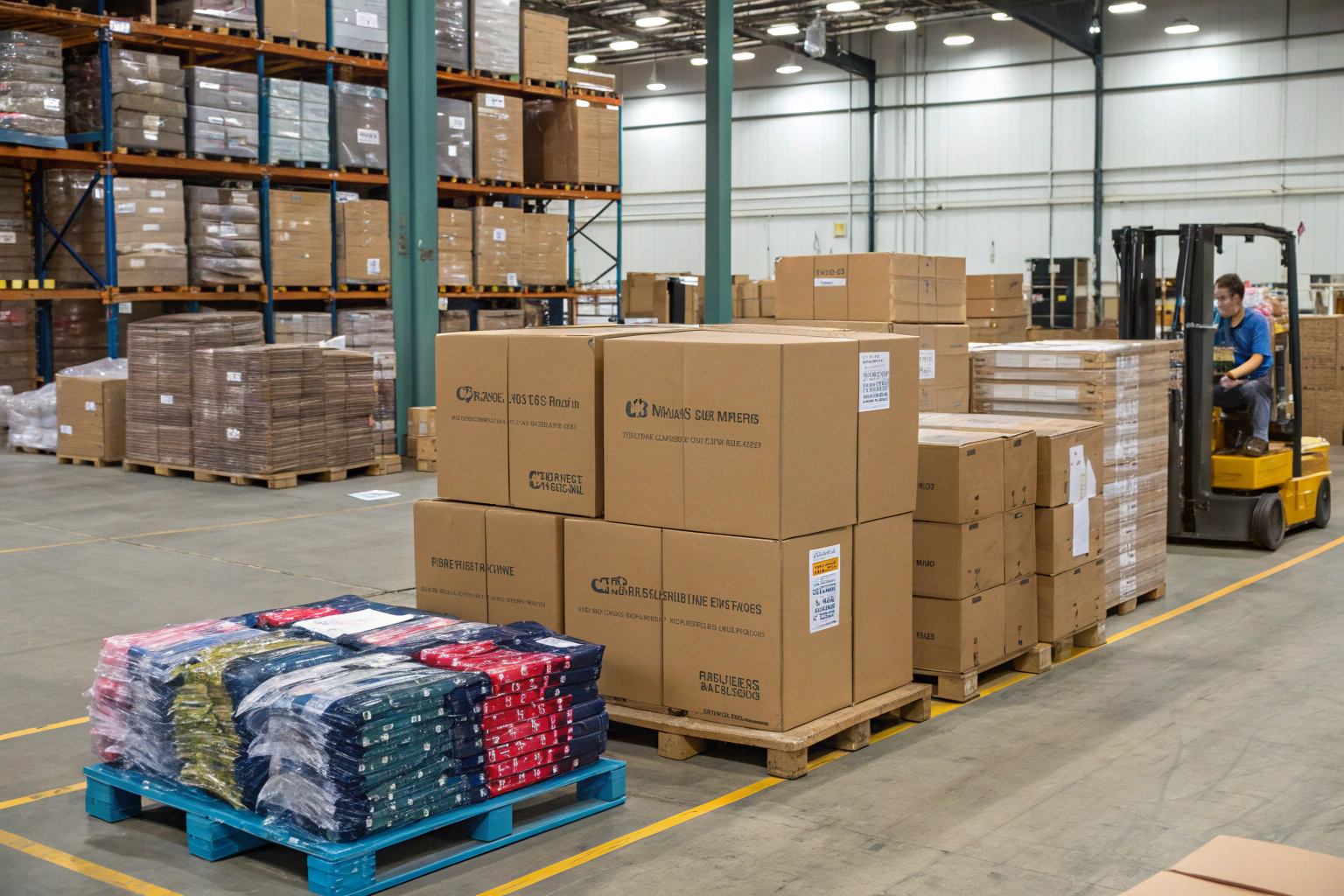
Ocean freight is the most common method for bulk kidswear shipments. If you’re ordering 3,000–50,000 pieces per style across SKUs, sea shipping offers the lowest cost per unit—even factoring in longer lead times.
Ocean freight is best for full seasonal launches, retail chain supply, and warehouse inventory shipments with 25–45 day planning windows.
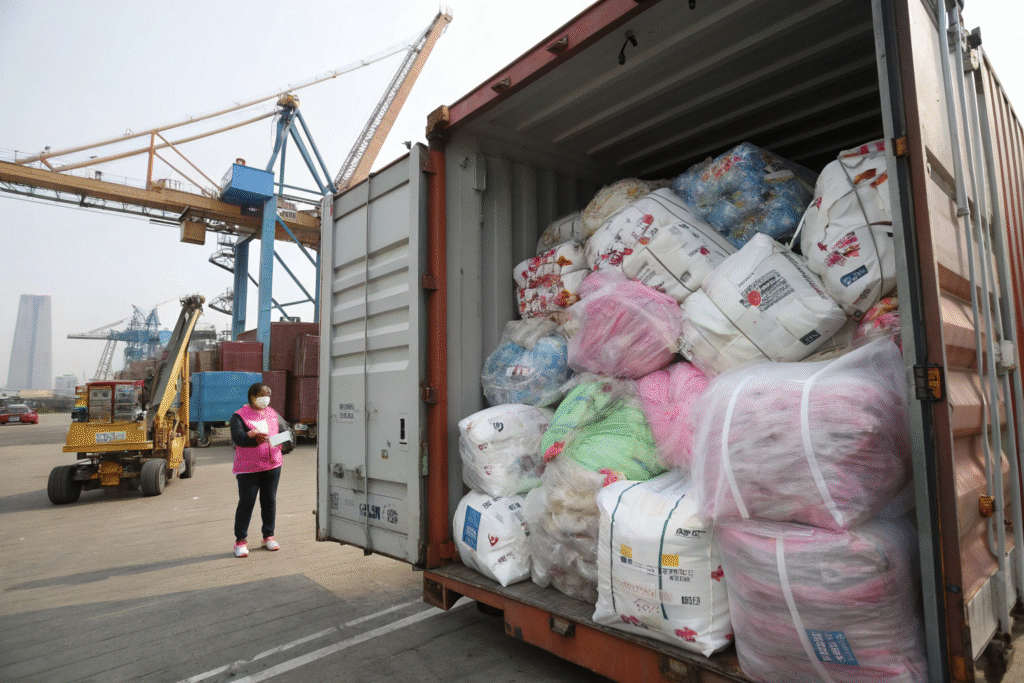
How Much Does Ocean Freight Cost?
As of August 2025, rates for a 40-foot HQ container from China to the U.S. West Coast range from $1,800 to $2,500, depending on port congestion. For Europe (e.g. Hamburg or Rotterdam), prices are slightly higher but steady.
Use platforms like SeaRates or Flexport to track real-time rates. Don’t forget to factor in local port fees, customs brokerage, and drayage.
What Are the Drawbacks of Sea Shipping?
- Longer lead time: 30–45 days door-to-door
- Risk of port delays (especially during Q4 or Lunar New Year)
- Full Container Load (FCL) preferred: Less-than-container (LCL) adds handling fees and risk of damage
At Fumao, we offer pre-shipment packing optimization to help clients maximize volume efficiency. We also provide FCL or LCL options depending on order size.
Is DDP Courier Shipping Good for Small Wholesale Orders?
DDP (Delivered Duty Paid) shipping is ideal for startups, boutique brands, and sample orders. You don’t handle import clearance, taxes, or paperwork—your supplier or freight forwarder does it for you. That’s why many children’s clothing importers prefer it for smaller, recurring orders.
DDP shipping is best for light-to-medium sized shipments under 200 kg when you want worry-free delivery to door with all taxes included.
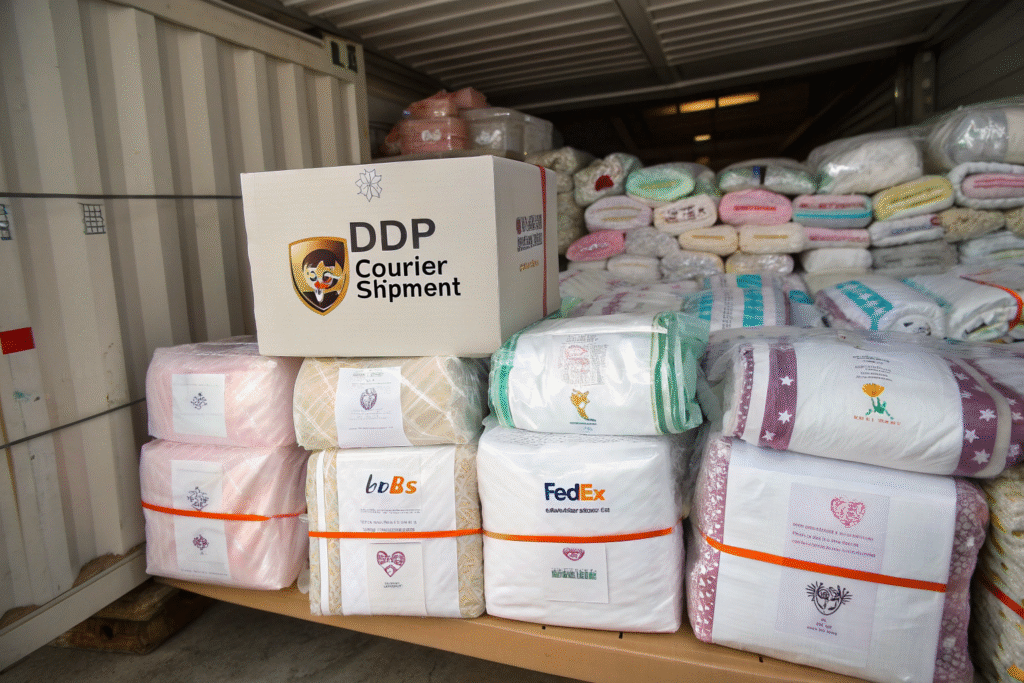
How Does DDP Work for Apparel?
Under DDP, we quote all-in pricing (freight, duties, customs, last-mile delivery). For instance, a 90 kg shipment of onesies to a warehouse in New Jersey might cost $520 total via FedEx DDP—no additional fees upon arrival.
We typically use trusted agents like Yanwen, CNE, or consolidate with larger forwarders that offer cross-border fulfillment.
What Are the Pros and Cons?
Pros:
- You avoid customs paperwork
- Fixed pricing, no surprise taxes
- Ideal for small brands without logistics staff
Cons:
- Slower than express (7–12 days average)
- Not ideal for volume over 250 kg
- Some regions (e.g. Canada) may require extra documents
DDP is increasingly popular for Shopify and Amazon brands launching babywear SKUs. We help with HS code declarations to avoid over-taxation.
What Shipping Factors Should You Consider for Children’s Clothing?
Children’s clothing has unique shipping considerations. Small garments are light but bulky. They also have seasonal urgency and must clear customs safely—especially for U.S. markets with CPSIA rules.
Shipping method selection depends on volume, urgency, delivery market, and how much compliance responsibility you want to handle.
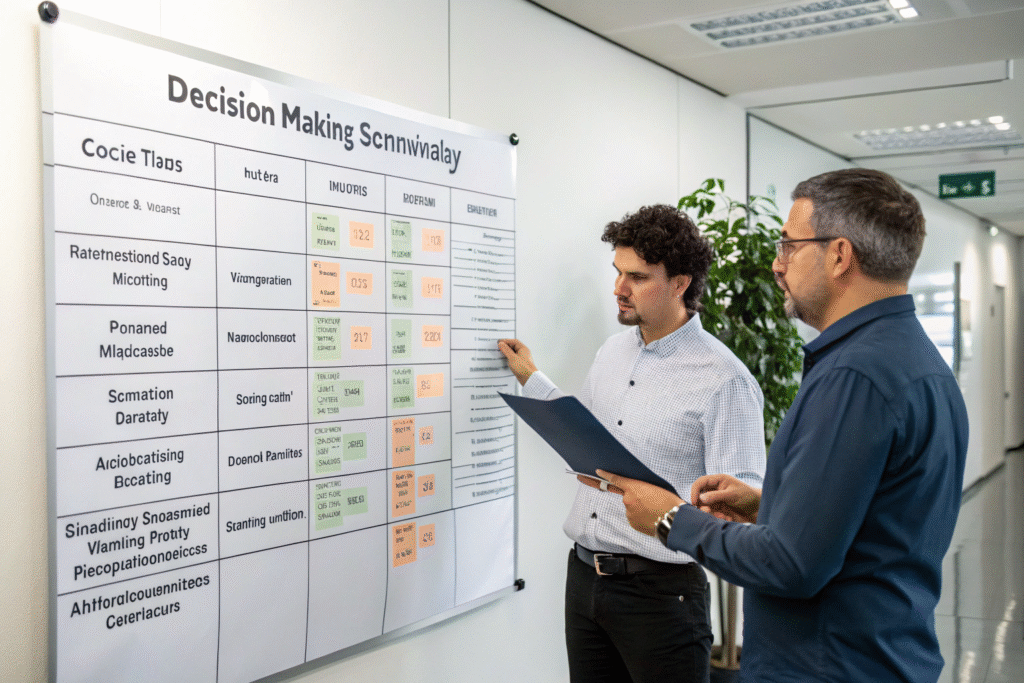
Should You Split Shipments?
Yes. This is a common strategy. One of our U.S. clients routinely ships:
- 20% of a new toddlerwear line by air (for immediate sales)
- 80% by sea (for restocks and extended SKUs)
We provide split-shipping support: air freight tracking via Cainiao, sea container monitoring via Container-xChange, and one-point customer communication.
Do You Need Special Packaging for Each Method?
- Air Freight: Focus on weight reduction
- Ocean Freight: Moisture-proof cartons, 5-ply corrugation
- DDP Courier: Compact packaging, pre-labeled cartons for customs
We offer carton marking services, barcoding, and palletization options to match your chosen method. For larger clients, we can even prepare shipments directly for Amazon FBA or 3PL warehouses.
Conclusion
There’s no single best shipping method for children’s clothing—it depends on your order size, urgency, and budget. Air freight is unbeatable for speed, ocean shipping is ideal for large seasonal inventory, and DDP is perfect for simplified, smaller shipments.
At Shanghai Fumao, we help clients choose and manage the right logistics strategy from day one. Whether you’re preparing a holiday drop or launching a gender-neutral toddlerwear line, we’ll get your shipment where it needs to be—on time and stress-free. Reach out to our Business Director Elaine at elaine@fumaoclothing.com to plan your next kidswear shipment today.