Selling baby clothes in the U.S. is about more than just cute prints and soft fabrics. If your sizing is off—even slightly—it leads to returns, bad reviews, and unsold inventory. American parents expect accurate sizing aligned with age and weight, and retailers won’t tolerate inconsistent labeling.
The best baby clothing sizes for the USA market follow standard age-weight combinations like NB, 0–3M, 3–6M, 6–9M, 9–12M, and 12–18M. Each must align with ASTM and retailer-specific charts for fit and safety compliance.
At Shanghai Fumao, we’ve helped dozens of U.S. clients build babywear lines with accurate sizing that minimizes return rates and improves brand trust. In this article, I’ll guide you through the essential U.S. sizing logic, what buyers demand, and how to grade correctly when manufacturing in China.
What Are Standard Baby Size Categories in the U.S.?
American baby clothing sizes are built around months and pounds—not just age. While every brand has slight differences, the market largely follows standardized groupings for newborns through toddlers.
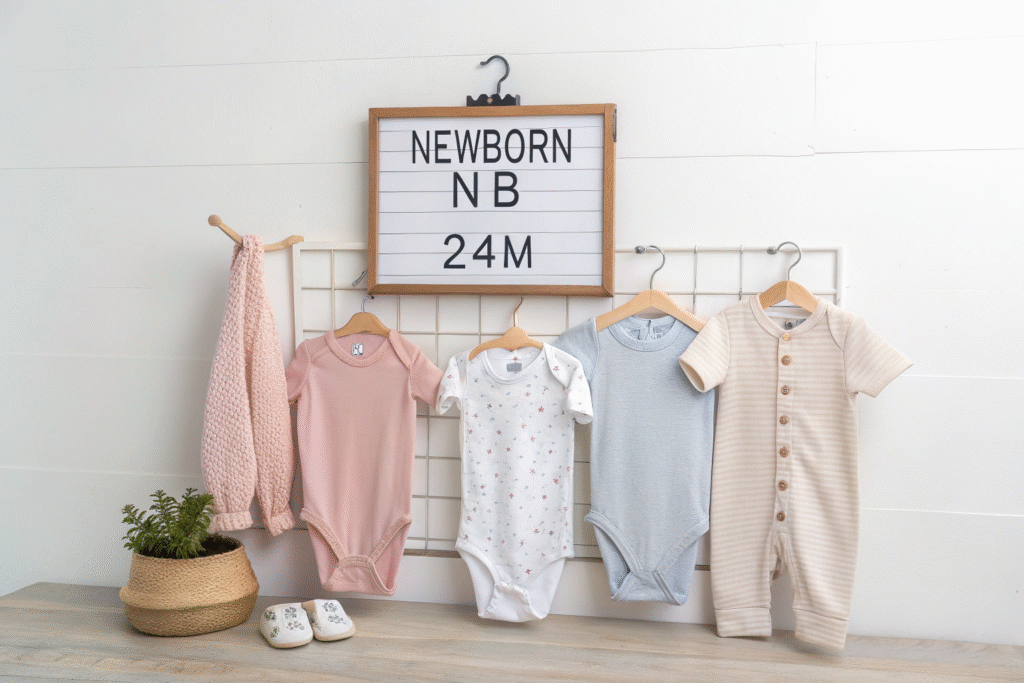
The most common U.S. babywear sizes include NB, 0–3M, 3–6M, 6–9M, 9–12M, 12–18M, and 18–24M—each mapped to specific height and weight ranges.
What are the typical size-to-weight/height conversions?
| Size Label | Height (in) | Weight (lbs) |
|---|---|---|
| NB | 17–20 | 5–8 |
| 0–3M | 20–23 | 8–12 |
| 3–6M | 23–26 | 12–16 |
| 6–9M | 26–28 | 16–20 |
| 9–12M | 28–30 | 20–24 |
| 12–18M | 30–32 | 24–28 |
| 18–24M | 32–34 | 28–30 |
Refer to Carter’s sizing guide or Gerber Childrenswear for additional benchmarks.
Are size labels consistent across brands?
Not exactly. Some brands like Gap Baby offer a more generous fit, while boutique organic brands run small. That’s why it’s critical to test samples across size runs, especially if you’re making private label garments in Asia.
At Fumao, we match client target measurements to U.S. retailer charts and run fit samples using ASTM D5585 size standards.
What Sizes Sell Best in the USA Babywear Market?
Not all sizes sell equally. Some sizes move faster due to birth rates, gifting habits, or wardrobe turnover. Knowing this helps you plan inventory and MOQ allocation better.
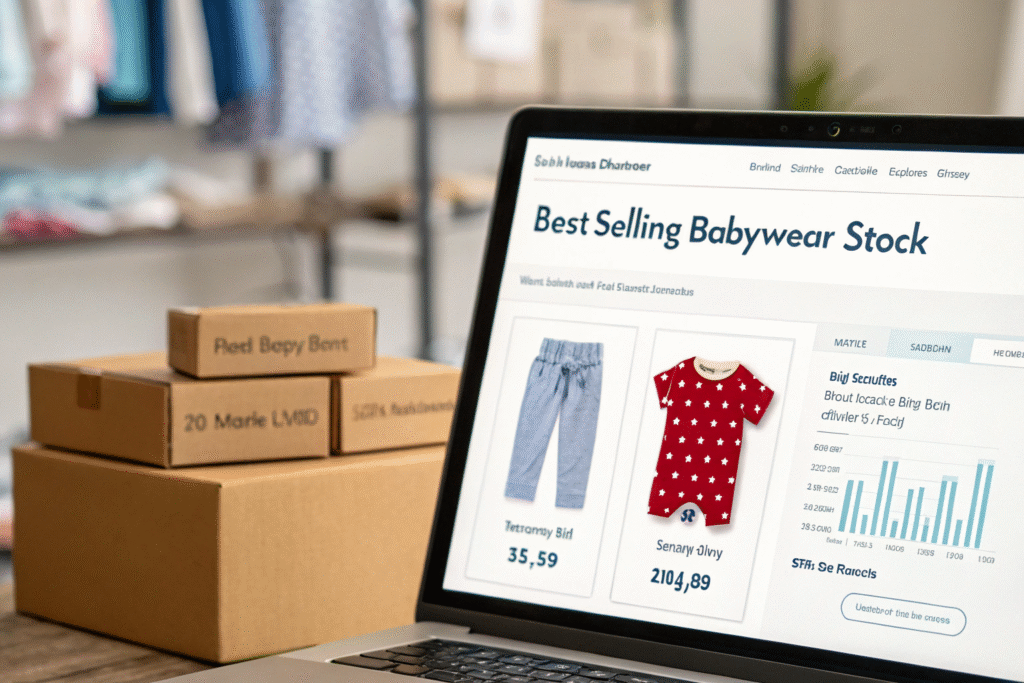
In the U.S. market, the best-selling babywear sizes are 0–3M, 3–6M, and 6–9M, due to high infant turnover and popularity as baby shower gifts.
Which sizes should be your priority in production?
Based on our export volume and client reorders, here’s the typical sales ranking:
- 0–3M: Fastest-moving for newborn sets and gift bundles
- 3–6M: Ideal for daily wear, most worn size in first 6 months
- 6–9M: Strong demand as baby starts crawling
- NB: Lower demand unless it’s hospital/layette focused
- 12–24M: Slower-moving, mostly for seasonal styles
Amazon trend analysis also shows 0–6M bundles outperforming older sizes in units sold.
How do U.S. buyers prefer to group sizes?
Most U.S. brands group babywear into:
- 0–3M, 3–6M, 6–9M sets
- 0–6M and 6–12M combo packs
- Multi-size bundles with NB to 12M range
At Fumao, we offer MOQ structuring so buyers like Ron can concentrate 60–70% of volume in 0–6M while maintaining full size sets.
How Can You Ensure Accurate Babywear Grading?
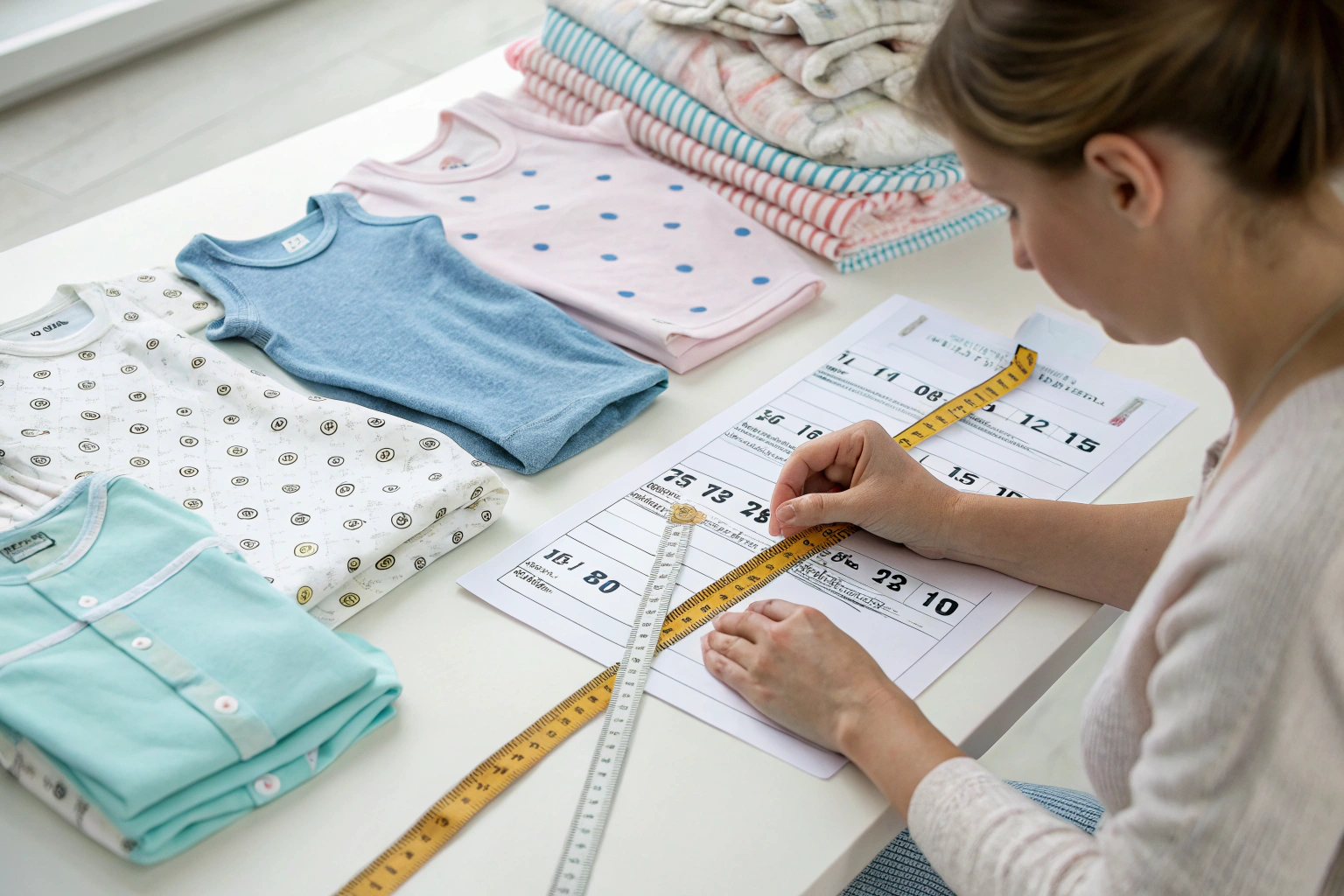
If your baby clothes don’t fit as labeled, you’ll face high return rates—even if the fabric is perfect. That’s why grading is mission-critical in factory-direct production.
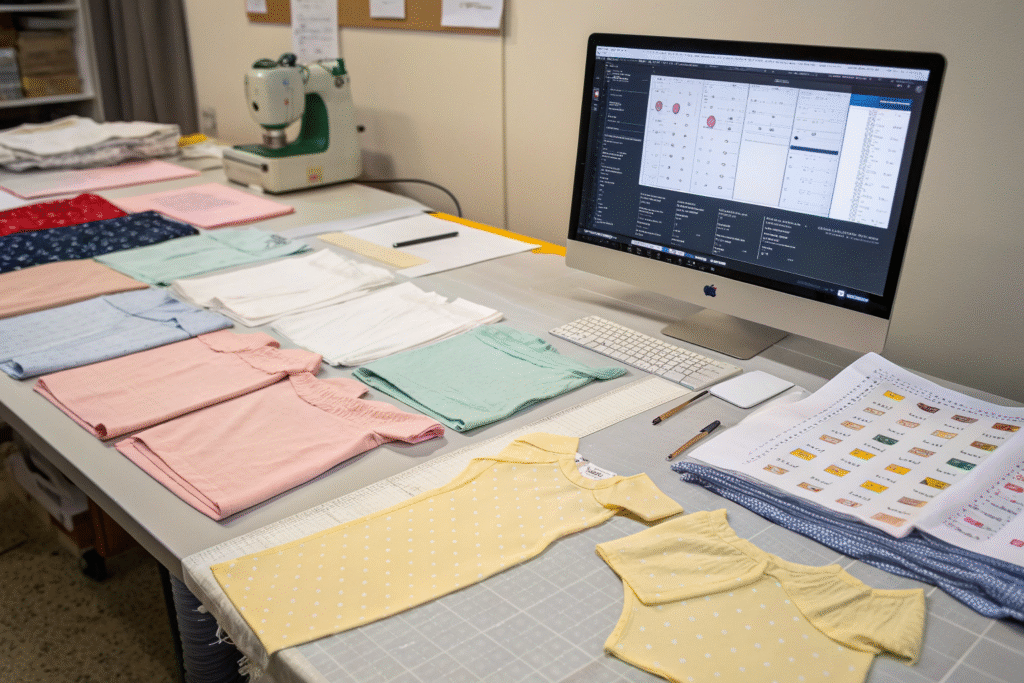
Accurate grading for U.S. babywear follows ASTM sizing logic, adjusted to fabric stretch, seam type, and shrinkage factors.
What tools help factories grade for U.S. standards?
Reliable grading requires:
- ASTM D5585 size data for infants
- In-house baby fit mannequins (0–24M)
- Gerber or Carter’s spec comparison
- Testing for fabric shrinkage (up to 5% expected)
- Digital pattern software like Gerber AccuMark or CLO 3D
We recommend all U.S.-bound babywear include shrinkage-adjusted specs in their tech packs.
What common grading mistakes affect fit?
- Assuming 3–6M is double 0–3M (incorrect—growth rate isn’t linear)
- Not adjusting rise depth on pants for diaper room
- Forgetting neck opening ease for 3–9M sizes
- Using European sizing (e.g., 68, 74) without conversion
At Fumao, we offer full fit development packages including size chart calibration and live model or mannequin testing.
What Labels and Safety Info Are Required by Size?
For the U.S. market, you can’t just pick a size and print it on a label. Every baby garment must meet CPSIA standards for size, traceability, and fiber content—by law.
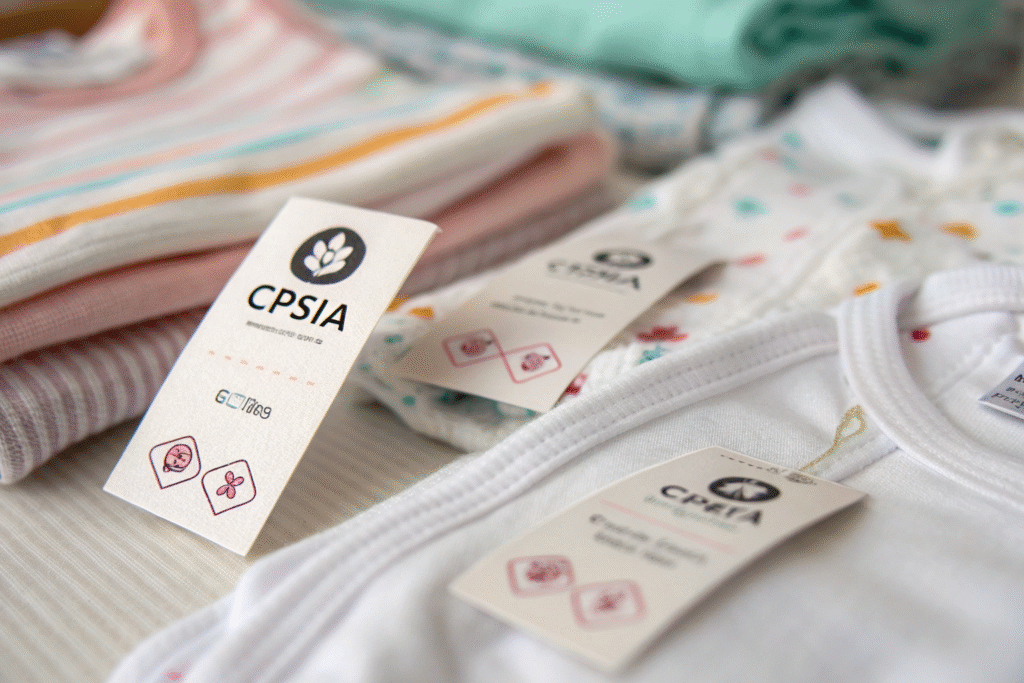
All U.S. baby garments must include CPSIA-compliant labels with accurate size, tracking number, manufacturer ID, and care instructions—especially for 0–24M.
What are the labeling rules by U.S. law?
Every baby garment must include:
- Size label (e.g. “3–6M”)
- Manufacturer or importer’s tracking number
- Date or batch code
- Country of origin
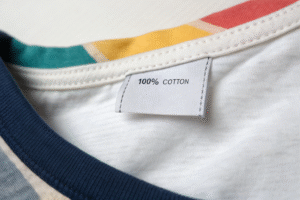
- Fabric content (e.g. 95% cotton / 5% spandex)
- Care label instructions
Under CPSIA, labels must be legible, durable, and permanently attached.
Can you use stickers or heat-transfers for sizing?
Yes. For babywear, heat-transfer labels are preferred to avoid irritation. But tracking info must still be traceable to the batch and supplier.
Fumao provides fully compliant label solutions using OEKO-TEX® inks and CPSIA-tested transfer methods. We can also help clients apply GS1 barcodes or Amazon FBA prep as needed.
Conclusion
Choosing the right babywear sizes for the U.S. market isn’t guesswork—it’s science. Understanding fit expectations, sizing behavior, and compliance requirements can make or break your private label line. From 0–3M to 24M, precision in size and labeling builds trust and keeps your return rates low.
At Shanghai Fumao, we specialize in CPSIA-compliant babywear with U.S.-standard sizing, testing, and grading. If you’re building your baby brand or scaling up toddlerwear SKUs, contact our Business Director Elaine at elaine@fumaoclothing.com to receive sample size sets and tailored MOQ support for your U.S. market goals.