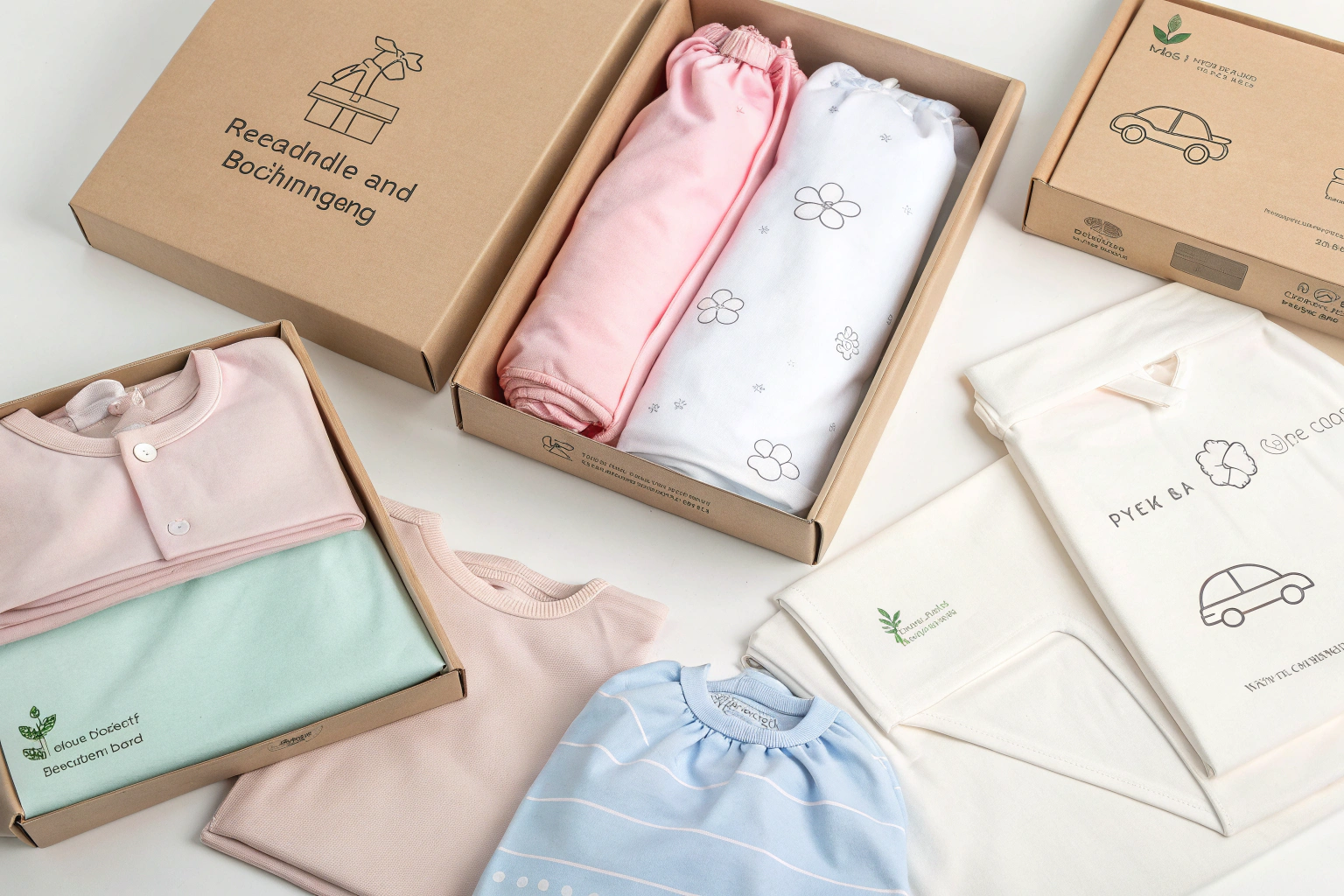
Packaging is more than a protective layer—especially in the baby clothing market. It shapes first impressions, communicates safety and softness, and can even determine your product’s eligibility for certain retail shelves or e-commerce platforms.
The best baby clothing packaging options combine protection, hygiene, branding, and sustainability—all while complying with import regulations. Whether you’re selling in boutiques or shipping DTC, your packaging must be child-safe, parent-friendly, and market-ready.
In this guide, I’ll break down the top packaging types used by babywear brands, what materials work best, and how to align with both buyer expectations and global regulations.
Which Packaging Types Are Most Suitable for Babywear?
When it comes to babywear, packaging needs to feel soft and safe—but also be tough enough to handle shipping. That’s why leading brands mix style with structure in their packaging design.
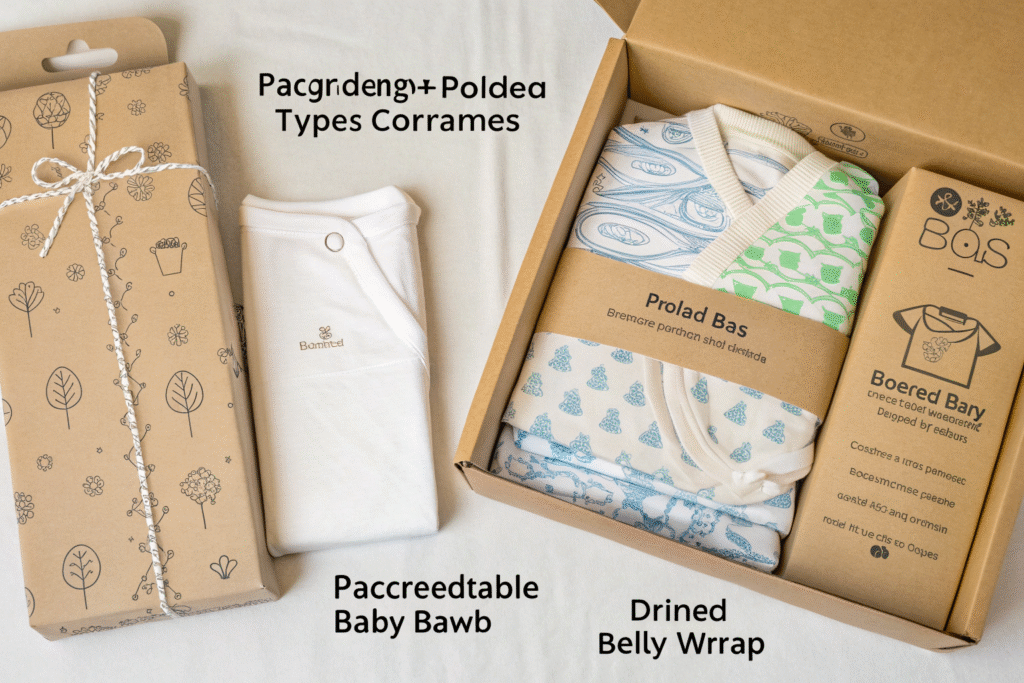
Common babywear packaging types include kraft mailer boxes, clear or frosted polybags, cotton drawstring bags, and paper belly bands. Each has its ideal use based on sales channel, garment size, and sustainability goals.
What Are the Pros and Cons of Kraft Boxes?
- Pros: Sturdy, premium, eco-friendly, great for gifting
- Cons: Higher cost, bulky for shipping
Brands like Finn + Emma and Monica + Andy use kraft boxes to boost unboxing experience and brand value.
Are Polybags Still Acceptable for Babywear?
Yes—especially if they’re made of biodegradable or recycled plastic. Frosted PE bags with resealable closures work well for 1–2 pieces. For EU and U.S. compliance, they must include suffocation warnings. Check updates via OECD’s packaging rules and U.S. CPSC polybag label guidance.
What Are the Safest Packaging Materials for Babies?
Parents shopping for newborns expect more than aesthetics—they want reassurance that packaging is non-toxic, non-allergenic, and safe even if handled by babies. Material choice affects perceived product safety.
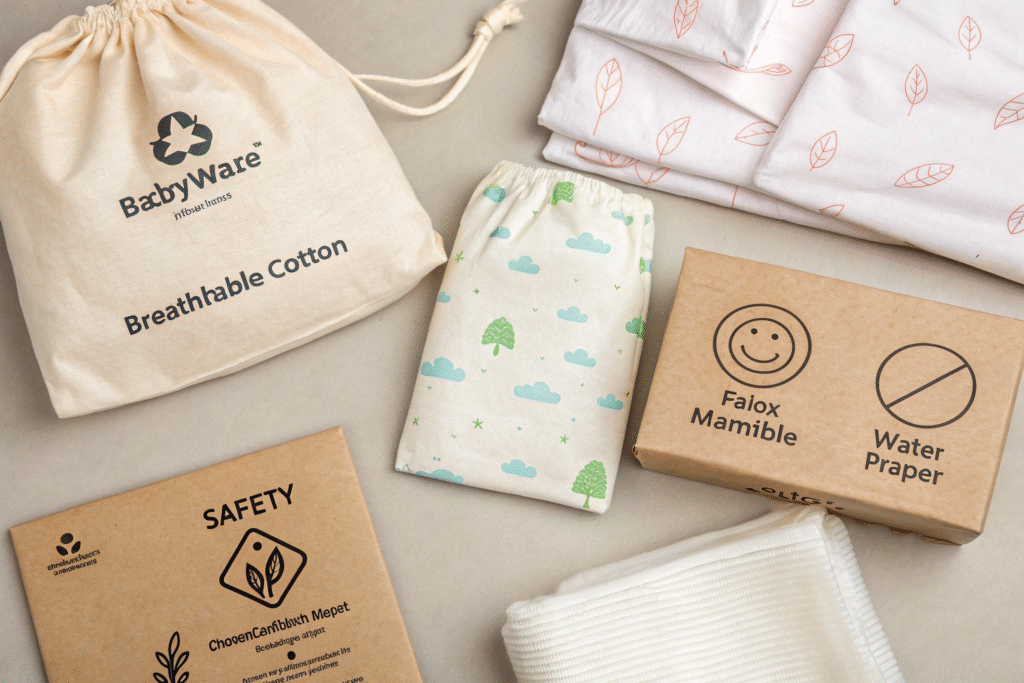
Safe packaging materials include unbleached kraft paper, GOTS-certified cotton pouches, water-based inks, and PEVA or PLA bio-polymers. Avoid adhesives with latex or chemical residue that could cause irritation.
How Do You Ensure Packaging Is Baby-Safe?
- Use FDA-grade tissue paper or GOTS-certified cotton for internal wraps
- Avoid foil stamping, metallic inks, and laminated coatings
- Ensure all printed materials use soy or water-based inks
Certifications like FSC, GOTS, and OEKO-TEX validate safety across textile and packaging sources.
What Should You Avoid in Babywear Packaging?
- PVC plastic (linked to off-gassing)
- Sharp staples or metal closures
- Strong fragrances or coatings
- High-gloss finishes that contain chemical solvents
Use checklists from SGS or Intertek to vet your packaging materials before mass production.
How Can Packaging Support Sustainability Goals?
Today’s parents are not only conscious about what touches their baby’s skin—they care about what ends up in a landfill. Eco-conscious packaging aligns your brand with values like safety, care, and social responsibility.
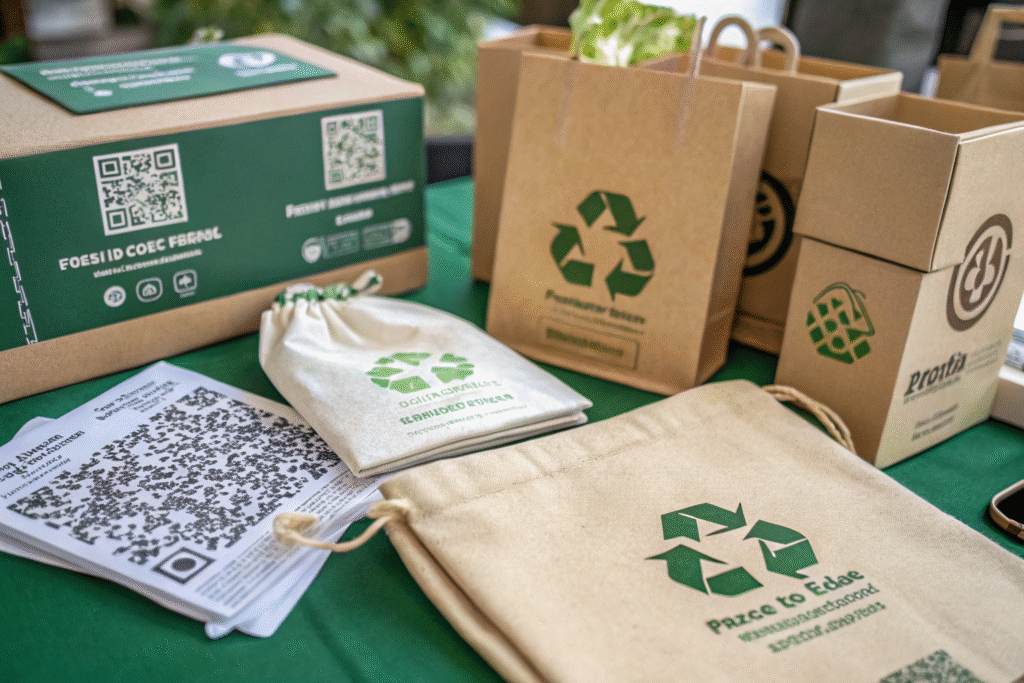
Sustainable packaging for babywear includes compostable polybags, FSC-certified boxes, recycled cardboard sleeves, and reusable fabric bags. Brands that communicate eco-intent gain higher retention from millennial and Gen Z parents.
Which Eco Materials Are Trending?
- PLA-based mailers (made from corn)
- Recycled cardboard kraft boxes
- Recycled PET bags
- Organic cotton pouches with drawstrings
Platforms like noissue and EcoEnclose specialize in custom sustainable packaging for babywear and soft goods.
Can Sustainable Packaging Lower Freight Costs?
Yes—especially when it’s flat-packed. Belly bands or paper wraps reduce bulk, while compostable mailers weigh less than rigid boxes. This is especially useful for DTC brands shipping internationally. See DHL’s packaging guide for optimization tips.
What Branding Elements Belong on Babywear Packaging?
Packaging also tells your story. In babywear, soft, minimal, and clean branding resonates most. Parents want packaging that looks and feels safe—overly loud prints or plastic-heavy designs are often a turn-off.
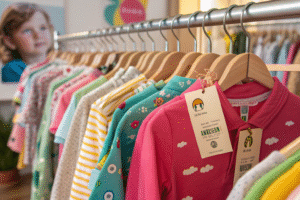
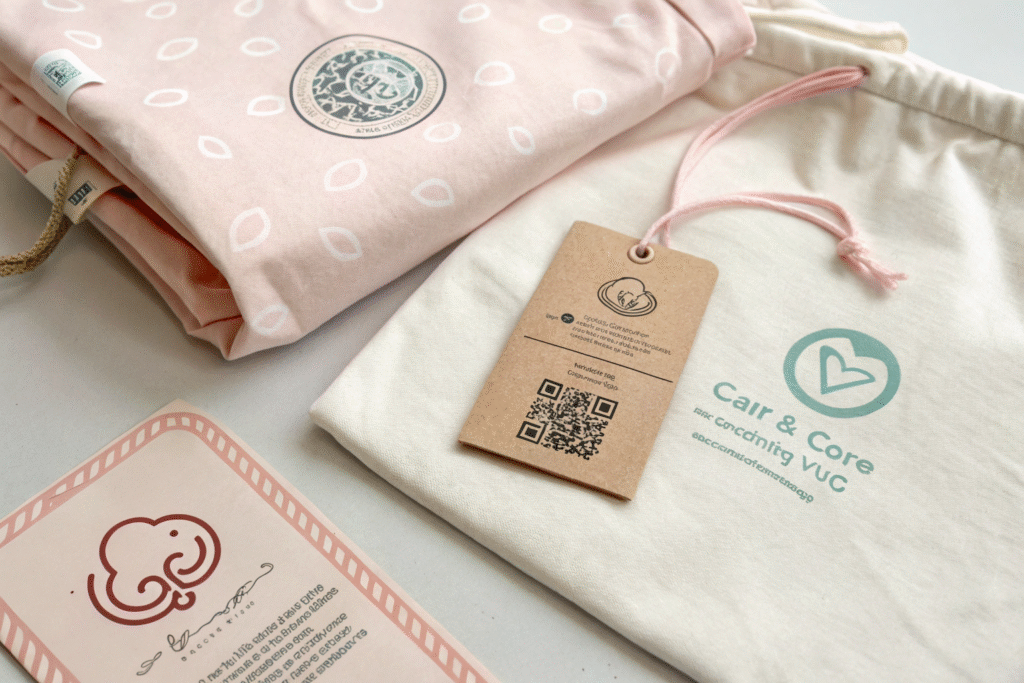
Strong babywear packaging branding includes logo placement, care instructions, origin transparency, and sustainable messaging. QR codes can add digital storytelling or product journey content.
What Branding Info Should Be Included?
- Garment size and material
- Care instructions (wash temperature, tumble dry info)
- Country of origin
- Certification icons (GOTS, OEKO-TEX)
- Website/social handle
- Safety label (if using polybags)
Some brands embed AR/QR codes into their packaging for added engagement. See examples at Scantrust and Packhelp.
How Can Packaging Reinforce Emotional Connection?
Offer baby-safe message cards, milestone trackers, or nursery-themed stickers inside your boxes. Brands like L’ovedbaby include “welcome baby” cards as part of the unboxing experience—boosting emotional loyalty.
Conclusion
The best baby clothing packaging is more than functional—it’s clean, safe, soft, and memorable. As a sourcing brand or manufacturer, choosing the right materials and presentation elevates your product, protects the baby, and aligns with today’s sustainability-conscious parents.
At Shanghai Fumao, we help clients customize packaging from scratch—whether you need FSC kraft mailers, certified drawstring pouches, or DDP-compliant clear bags. We handle label compliance, factory assembly, and shipping-ready packing—all integrated with your apparel production.
Want to upgrade your packaging for the next babywear launch? Contact our Business Director Elaine at elaine@fumaoclothing.com to receive packaging mockups and sustainable material suggestions tailored to your brand.