
Today, more parents and buyers than ever want ethically made kidswear. But how can you be sure that a brand’s claims are real—and not just marketing?
To verify ethical claims in kidswear brands, look for third-party certifications, research their supply chain transparency, recognize signs of greenwashing, and use trusted ethical rating tools.
In this guide, I’ll help you understand how to fact-check ethical claims, so you can shop confidently for genuinely responsible kids’ clothing.
What Certifications Prove Ethical Kidswear Practices?
Many brands use terms like “ethical” or “eco-friendly”—but the real proof lies in independent certifications.
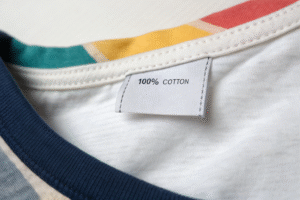
Ethical kidswear brands should carry certifications like GOTS, OEKO-TEX®, Fair Trade, BSCI, SEDEX, or WRAP to validate responsible production.

Which certifications are most reliable for ethical kidswear?
Here’s a clear list of credible standards you can trust:
| Certification | What It Guarantees |
|---|---|
| Global Organic Textile Standard (GOTS) | Organic fibers, safe dyes, fair labor conditions |
| OEKO-TEX® Standard 100 | No harmful chemicals or dyes |
| Fair Trade Certified™ | Fair wages, good working conditions |
| BSCI (Business Social Compliance Initiative) | Ethical labor practices and human rights |
| SEDEX (Supplier Ethical Data Exchange) | Transparent labor practices and audits |
| WRAP (Worldwide Responsible Accredited Production) | Ethical and lawful working conditions |
Reliable brands clearly display these logos on product pages, packaging, or about-us sections of their websites.
How do you confirm that certifications are legitimate?
Check certificates carefully by:
- Visiting the official certifying body’s website to verify brand membership
- Asking the brand directly for current certification documents
- Looking at audit dates—make sure certificates haven’t expired
- Using certification numbers to cross-check legitimacy
When we work with brands at Fumao Clothing, we always provide our certification numbers and original audit copies, making verification easy and transparent.
How to Research a Brand’s Supply Chain Transparency?
True ethical brands don’t hide behind vague statements—they openly share how and where their kidswear is made.
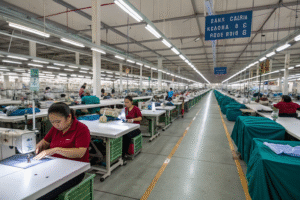
To research supply chain transparency, look for clear factory lists, sustainability reports, traceability details, and willingness to share manufacturing practices.

What information should transparent kidswear brands share publicly?
Real transparency means sharing specifics like:
- Factory locations (city, country, photos)
- Fabric and trim sourcing (where materials originate)
- Worker conditions and wages (factory audits, social reports)
- Environmental impact (waste management, carbon footprint data)
The most transparent brands often release annual sustainability reports that detail these practices and challenges openly.
How can you verify supply chain claims independently?
Here are simple ways to verify independently:
- Use tools like Open Apparel Registry or Fashion Revolution’s Transparency Index to cross-check brands
- Read sustainability reports critically—do they admit struggles or only list achievements?
- Check if brands respond clearly when asked about their factories or production practices on social media or email inquiries
Brands proud of their ethical practices typically respond quickly, openly, and honestly when you ask questions.
Red Flags That Signal Greenwashing in Kids Clothing?
Unfortunately, many brands exaggerate or fake ethical claims—also known as greenwashing. You need to know how to spot the difference.
Greenwashing signs include vague claims, lack of third-party certification, inconsistent messaging, and inability to answer detailed questions clearly.
What are common signs that a kidswear brand is greenwashing?
Watch out for these red flags:
| Red Flag | Why It’s Problematic |
|---|---|
| Vague language | “Eco-friendly,” “natural” with no specifics |
| No third-party proof | No GOTS, Fair Trade, or OEKO-TEX® labels |
| Too-good-to-be-true claims | Overpromising without clear evidence |
| Inconsistent info across channels | Different claims online vs. packaging |
| Hidden production details | No clear info on where or how it’s made |
If a brand says, “We’re sustainable,” but can’t explain exactly how, that’s a warning. Trust brands that back claims with real, verifiable evidence.
How do you challenge brands suspected of greenwashing?
Don’t be afraid to ask tough questions like:
- “Can you share your latest audit reports?”
- “What third-party certifications do you have?”
- “Where exactly are your products manufactured?”
Their responses—or lack thereof—will quickly tell you if their claims are genuine or just marketing hype.
Tools and Databases to Check Ethical Brand Ratings?
Thankfully, you don’t have to rely solely on brand websites—trusted independent tools exist to help evaluate ethical claims.
Use resources like Good On You, Fashion Revolution, Open Apparel Registry, and Ethical Consumer to research kidswear brand ratings independently.

What tools help quickly verify ethical ratings of kidswear brands?
These databases are highly effective:
| Resource | What It Offers |
|---|---|
| Good On You | Ethical brand ratings (labor, environment, transparency) |
| Fashion Revolution Transparency Index | Annual ranking of top brands’ transparency |
| Open Apparel Registry | Maps factories worldwide, linked to brands |
| Ethical Consumer | Detailed ethics ratings and buying guides |
For example, using Good On You’s simple rating system, you can quickly find if a kidswear brand is rated “Great,” “Good,” or “Not Good Enough.”
How should you interpret and use ethical rating tools effectively?
When using these tools:
- Look at overall scores but also dive into detailed categories (labor, environment, animal welfare)
- Cross-reference brands between tools to confirm consistency
- Use ratings to support your buying decisions—prioritize brands rated “Good” or higher
These independent ratings give you fast, accurate insights without needing to research every detail yourself.
Conclusion
Verifying ethical claims isn’t always simple—but the tools, certifications, and transparent practices outlined here make it easier. By fact-checking claims, you help drive brands to do better—protecting children, workers, and the environment.