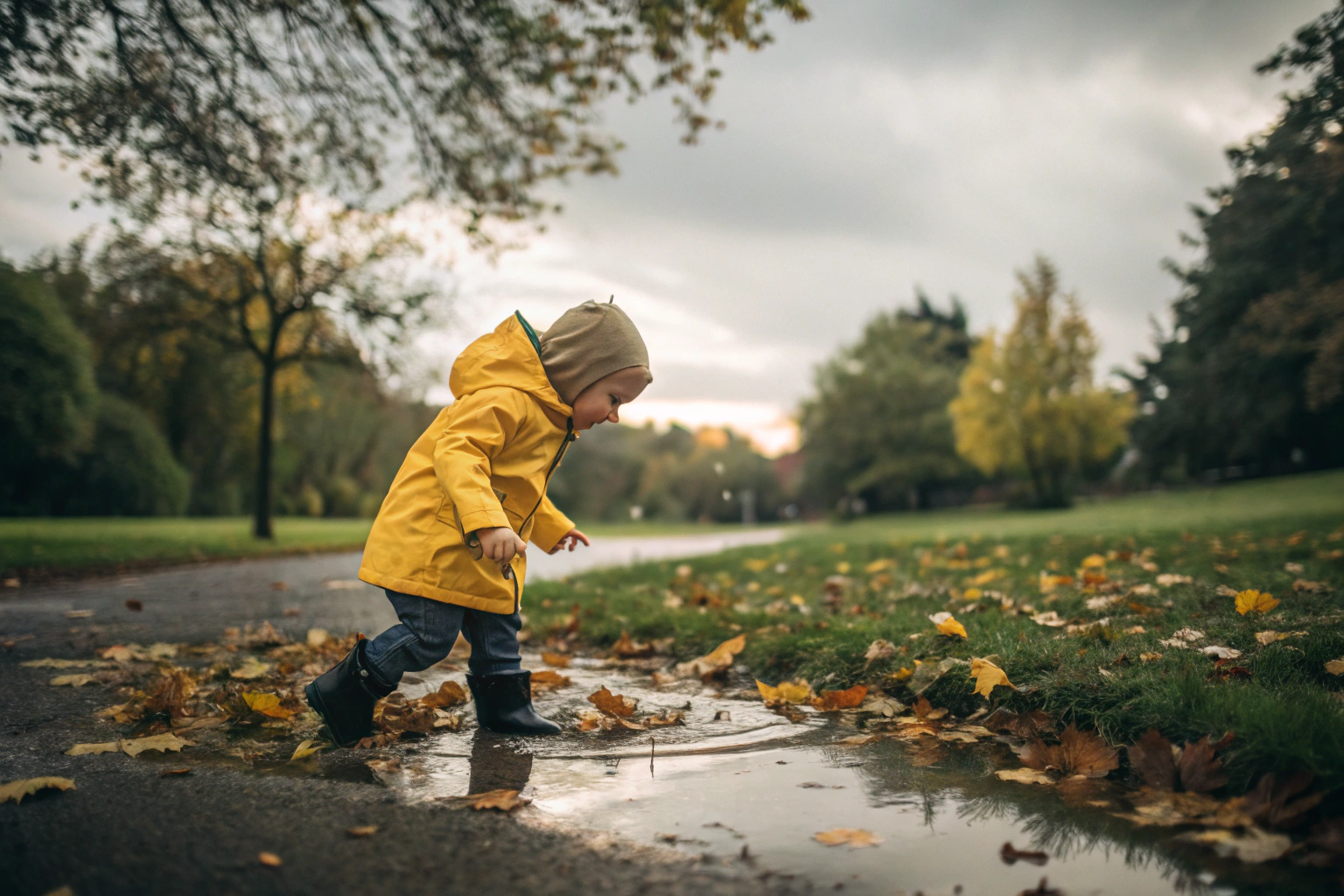
Parents in the US and Europe are increasingly demanding high-performance waterproof toddler outerwear that balances safety, comfort, and design. However, many apparel buyers and brand owners face delays, quality control issues, and unreliable certifications from overseas suppliers. If you are trying to source such apparel from China, Vietnam, or India and sell it profitably in Western markets, you must take a smarter approach to sourcing.
The best way to source waterproof toddler outerwear is to work with experienced, safety-compliant manufacturers who understand standards, provide real certifications, and offer full support from sample to delivery.
In this article, I’ll share how we at Fumao Clothing—based in China and focused on premium children’s wear—help clients like you solve these sourcing challenges step by step, from choosing materials to ensuring on-time DDP shipping.
What fabric is best for waterproof toddler jackets?
Buyers often ask what fabrics we recommend for baby and toddler waterproof clothing. The wrong fabric can irritate the skin, leak water, or create suffocation hazards. That’s why we carefully test and recommend safe yet durable fabric options that meet US and EU safety standards.
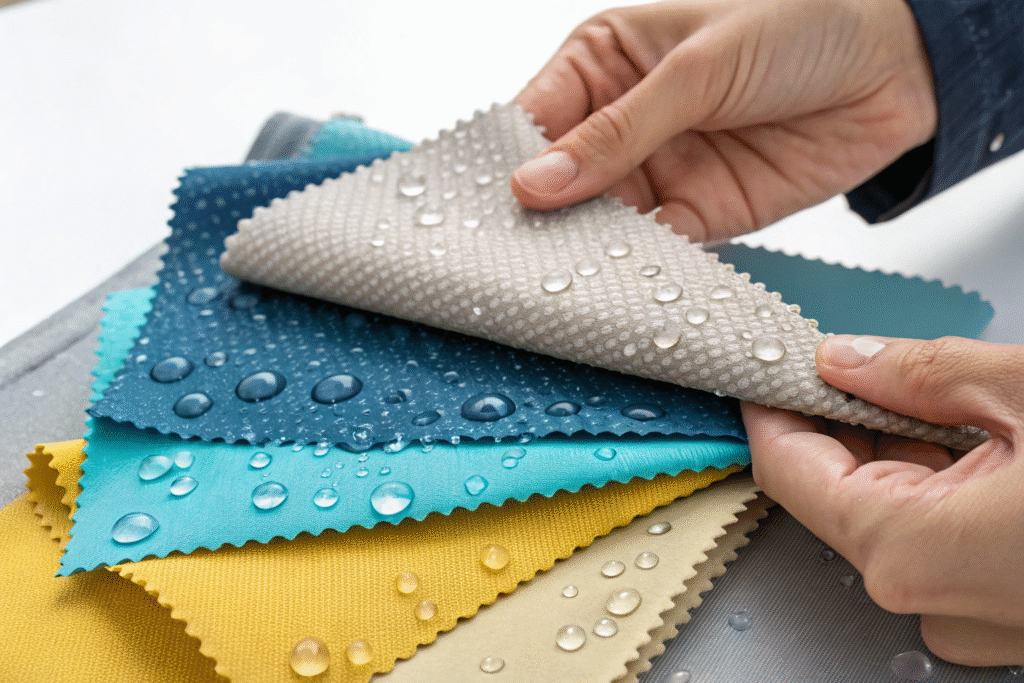
TPU-laminated polyester, PU-coated nylon, and softshell with DWR coating are among the most popular and safest waterproof fabrics for toddlers.
Why is TPU-laminated polyester widely used?
TPU (thermoplastic polyurethane) is a flexible, non-toxic waterproof layer often bonded to polyester fabric. It’s highly resistant to water while remaining breathable. It’s also more eco-friendly than older PVC coatings. Many clients choose TPU because it has passed OEKO-TEX® Standard 100 and CPSIA testing, essential for entering US retail.
Another benefit is that TPU-laminated polyester has better stretch recovery, which is perfect for active toddlers. Many of our clients also appreciate that the surface texture is softer and quieter than stiffer nylon shells.
For reference, here’s an in-depth guide on baby-safe waterproof materials worth reading if you’re new to fabric sourcing.
Can DWR-treated fabrics meet waterproof standards?
Durable Water Repellent (DWR) is a surface chemical applied to fabric, making water bead off. However, DWR alone is not fully waterproof—it’s water-resistant. We recommend DWR as a secondary barrier, often used in softshells with a membrane backing.
In toddler garments, we often apply DWR on top of a laminated fabric to improve performance during prolonged rain exposure. Always ask suppliers for hydrostatic head test results (minimum 5,000 mm for kidswear). Here’s how hydrostatic testing works in lab environments.
Which certifications are required for waterproof babywear?
Understanding certifications is not optional when selling children’s waterproof clothing in the US or EU. Many buyers have been misled by fake documents from factories that don’t actually test their materials. That’s why our factory only works with certified fabric mills and arranges third-party tests on request.
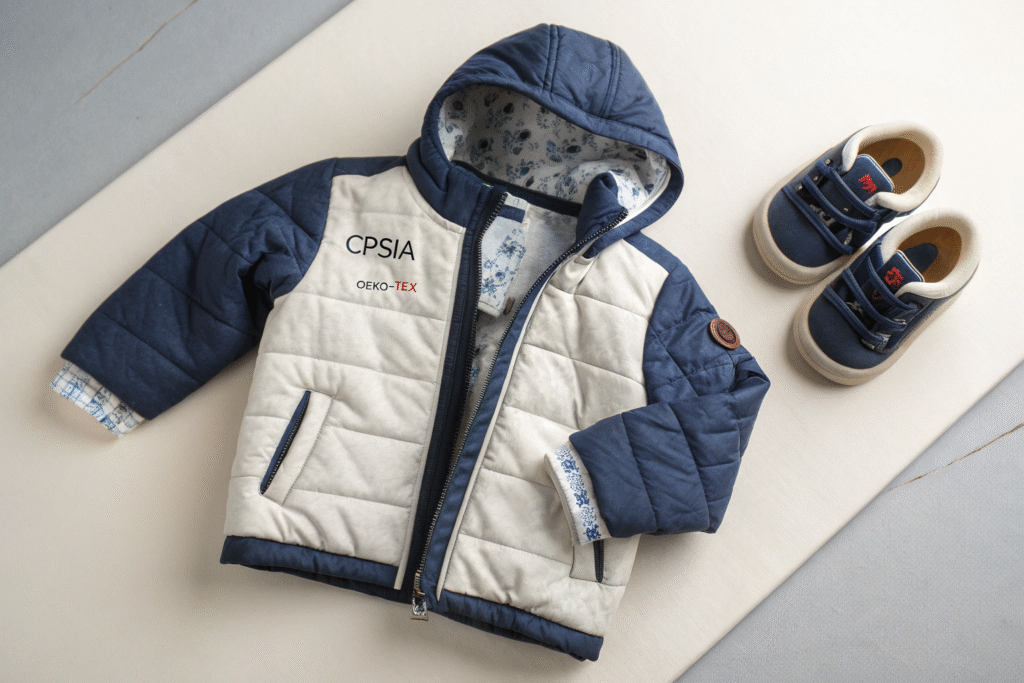
Waterproof toddler garments sold in the US must pass CPSIA, OEKO-TEX, and in some cases California Prop 65. For EU markets, REACH and EN 14682 also apply.
What does CPSIA compliance involve?
CPSIA (Consumer Product Safety Improvement Act) covers:
- Lead content (max 100 ppm)
- Phthalate-free materials
- Small parts testing for buttons/snaps
- Flammability requirements
You can verify active lab reports through CPSC’s certificate portal. We help clients avoid factories who cut corners by using uncertified dye houses or trims.
How to confirm OEKO-TEX or REACH claims?
OEKO-TEX ensures that every component of the garment, from fabric to zipper tape, is skin-safe. It’s especially important for outerwear that touches toddler faces or necks. For the EU, REACH goes further by banning a longer list of chemicals.
Always ask your supplier to show a valid OEKO-TEX label lookup or REACH compliance declaration.
How to customize toddler outerwear for your brand?
Mass-produced toddler outerwear may not differentiate your brand. That’s why we help clients create exclusive designs using their logo, unique colors, prints, and trims. Even with small MOQs, customizations are possible with the right production partner.
Customization options include logo embroidery, rubber patches, digital prints, reflective tape, inside name tags, and branded packaging.
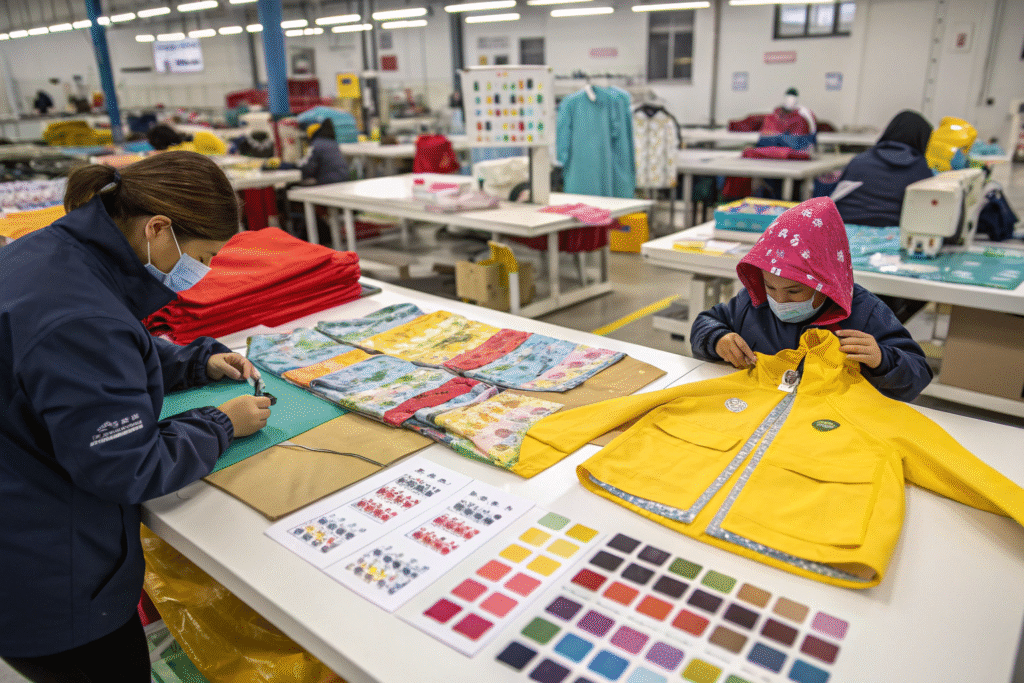
What customizations are possible at low MOQ?
Many factories avoid small-volume clients, but we provide flexible minimums. For outerwear, our MOQ typically starts at 300 pcs per style/color. You can:
- Choose your outer fabric color
- Pick inner lining type (mesh/fleece)
- Add logos via heat press or embroidery
- Customize hangtags and packaging
If you’re unsure where to start, try this tech pack template for babywear to organize your design ideas.
How do we ensure your logo and branding are precise?
We use Pantone-matched printing and embroidery, and pre-production samples are always confirmed before bulk. You’ll receive both digital photos and real samples. Our team uses tools like Adobe Illustrator for pattern editing and layout visualization to ensure brand consistency.
What shipping and delivery terms suit toddler apparel?
Many buyers struggle with missed delivery windows. Children’s seasonal outerwear has tight deadlines. If your shipment is late, you miss the market. We’ve seen clients lose $20K+ simply because their supplier delayed production or booked slow freight.
DDP (Delivered Duty Paid) is the best Incoterm for children’s outerwear buyers who want full control and minimal risk.
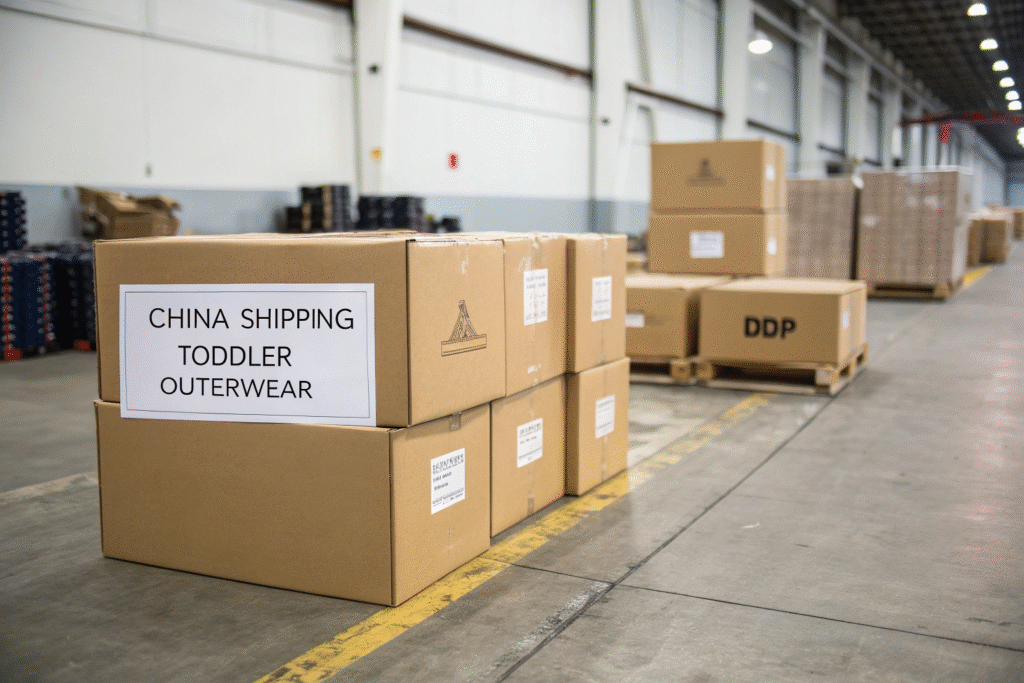
What’s the difference between FOB, CIF, and DDP?
| Term | Responsibility | Risk Level | Notes |
|---|---|---|---|
| FOB | You book freight | High | Common but risky for new buyers |
| CIF | Supplier books to port | Medium | Buyer handles inland customs |
| DDP | All-inclusive | Low | Ideal for busy clients |
Read more about FOB vs DDP in apparel trade before choosing terms.
How to avoid delays in customs clearance?
We prepare full sets of compliant documents, including:
- Commercial Invoice
- Packing List
- HS code (typically 6201.93 for toddler jackets)
- CPSIA/Prop 65 lab report
Working with DDP forwarders like GeeseCargo ensures clearance in both US and EU ports. They specialize in small carton shipments and keep your duties fully transparent.
Conclusion
Sourcing waterproof toddler outerwear doesn’t have to be risky or complicated. With the right factory, you can produce stylish, safe, and functional garments that meet all compliance needs—and ship them on time, every time. From certified fabrics to custom design, we cover the full cycle to help your brand succeed in competitive global markets.
If you’re ready to create your own toddler outerwear collection with full support from design to DDP delivery, partner with us at Shanghai Fumao. Contact our Business Director Elaine at elaine@fumaoclothing.com to get started today.