
Finding ethical and size-inclusive suppliers for kids’ clothing is no longer a “nice-to-have”—it’s becoming an expectation. With growing demand for inclusive sizing and parental concern over body positivity, sourcing plus-size children’s apparel goes beyond logistics—it’s a matter of values.
To ethically source plus-size kids’ clothing, you must combine responsible manufacturing, inclusive pattern grading, and supplier transparency while ensuring comfort, confidence, and dignity for growing children.
At Shanghai Fumao, we’ve helped North American brands like Ron’s identify sourcing strategies that honor inclusivity while protecting ethics and profit. In this guide, I’ll show you how to spot the right suppliers, demand the right patterns, and build a plus-size kidswear line that resonates with today’s values and tomorrow’s growth.
What Makes a Factory Suitable for Plus-Size Kidswear?
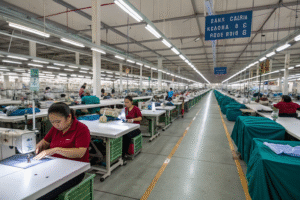
Manufacturing for plus-size children isn’t just about adding extra inches to the width. It requires thoughtful pattern grading, technical expertise, and a willingness from the factory to prioritize inclusivity from the start.
A suitable factory for plus-size kidswear offers accurate grading for extended sizes, prototyping support, and cultural sensitivity around body diversity—without compromising on quality or fit.

Does the factory understand plus-size grading for children?
Standard kidswear sizing charts often stop at 12 or 14. To produce plus sizes like 16, 18, or 20, factories must use body-accurate grading rules for growing children—not just scaled-up adult formulas.
Look for manufacturers who have worked with U.S. brands using ASTM size data or conduct real-world fit sampling. Without this, you risk creating clothing that’s either too wide in the shoulders or too tight around the waist.
Are sample fittings part of the development process?
Fit sessions and size sets are essential. Ask if the factory offers full graded samples or digital 3D fit simulations. At Fumao, we provide clients with pre-production fit samples for every extended size.
We also encourage clients to use body-positive visuals in product testing to ensure kids and parents feel seen, not stigmatized.
What Ethical Standards Should Your Factory Meet?
Ethical sourcing isn’t a buzzword—it’s a measurable, documentable practice. For plus-size kidswear, it’s even more important to partner with suppliers who care about the children wearing the clothing and the people making it.
An ethical kidswear supplier meets global labor standards, avoids forced labor, uses safe fabrics, and welcomes audits for social compliance.

What certifications indicate ethical production?
Ask your supplier for documents like:
- BSCI (Business Social Compliance Initiative)
- GOTS (Global Organic Textile Standard) if you’re using organic cotton
- OEKO-TEX® Standard 100 for chemical-free fabrics
- WRAP or SA8000 for social responsibility
These certifications help ensure that the clothes your plus-size kids will wear are not made through exploitative practices. At our facility, we’re fully audited and GOTS-registered for kidswear.
Are plus-size styles tested for safety?
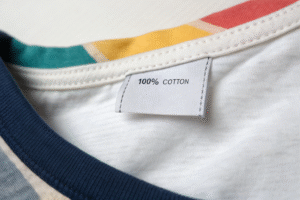
Children’s clothing must meet CPSIA guidelines in the U.S., including labeling, flammability, and lead content testing. This applies equally to plus-size styles, which may involve additional stitching, fabric layers, or trims.
Confirm your factory has in-house or third-party testing partnerships for all sizes and styles.
How Can You Ensure Inclusive Fit and Comfort?
The biggest complaint parents have about plus-size kidswear is poor fit—too tight in one place, too baggy in another. Ethical sourcing includes ensuring that larger children feel just as comfortable and confident as anyone else.
To ensure proper fit, partner with factories that offer tech pack optimization, fit testing, and size run samples for plus-size models.

Are tech packs adapted for body variations?
A good tech pack includes not just measurements but construction methods that allow movement and breathability—like adjustable waistbands, relaxed cuts, or extended rise lengths.
We work with clients to modify toddler tech packs to reflect plus-size fit logic. For example, we use wider hip grading for leggings and extended shoulder slope corrections for dresses to reduce underarm pulling.
What materials improve comfort for plus-size children?
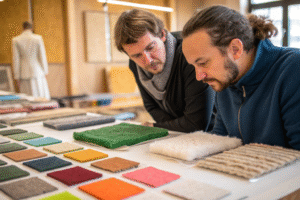
Breathable, stretchy, and soft-touch fabrics are key. Fabrics like cotton-spandex blends, bamboo jersey, or modal knits offer structure without stiffness. We suggest using GSM-based analysis to avoid overly heavy fabrics.
We also source OEKO-TEX®-certified performance knits that wick moisture and reduce friction—important for active kids in larger sizes.
What Questions Should You Ask Suppliers?
Good sourcing begins with smart questions. Asking the right things helps you screen for real ethical commitment versus checkbox compliance. For plus-size kidswear, your questions should go beyond cost and lead time.
Ask your supplier detailed questions about grading, material sourcing, compliance, batch flexibility, and inclusivity practices.

What sizing and design questions matter?
Here are a few to start with:
- Do you provide grading for sizes 14–20 in kidswear?
- Can I see past production examples of plus-size children’s clothing?
- How do you approach proportional pattern adjustments?
- Are adjustable waistbands or stretch panels available for my designs?
If the supplier struggles to answer or generalizes, they may lack plus-size experience. At Fumao, we maintain digital and physical libraries of past size-inclusive production samples.
What ethical and compliance questions should you include?
- Can you share your latest BSCI audit report?
- Are your fabrics CPSIA and OEKO-TEX® compliant?
- Do you allow third-party QC inspections?
- Can I get a lab test summary for my samples?
Also ask if they can support DDP shipping and customs documentation for kidswear, since plus-size garments may incur different duty classifications due to weight or volume.
Conclusion
Sourcing plus-size kidswear ethically isn’t just about sizing—it’s about integrity, comfort, and inclusivity. It requires deeper collaboration with suppliers who understand pattern science, production safety, and child psychology. But when done right, it’s not only a moral win—it’s a commercial one, as parents are actively seeking brands that embrace all body types.
At Shanghai Fumao, we combine ethical production, extended sizing experience, and full compliance to help brands launch plus-size children’s clothing confidently. If you’re exploring inclusive kidswear and want a factory partner who gets it, reach out to our Business Director Elaine at elaine@fumaoclothing.com—we’re ready to grow with you.