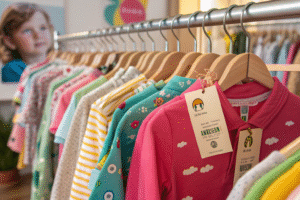
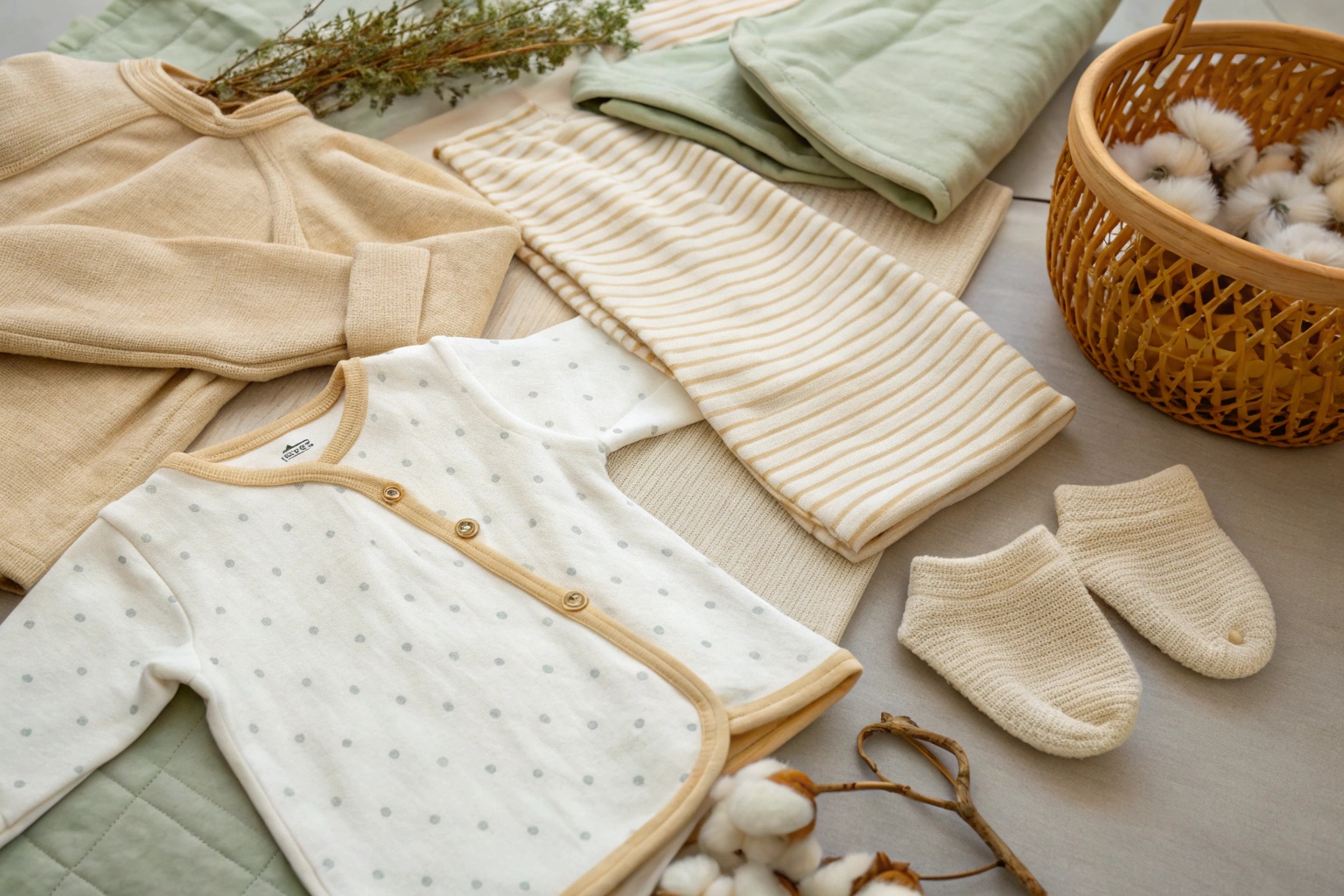
As parents become more conscious of what their children wear, eco-friendly kids’ accessories are in high demand. But sourcing sustainably is more than just finding a “green” label—it’s about knowing where products come from, how they’re made, and what materials are used.
To source eco-friendly kids’ fashion accessories, choose verified suppliers that use sustainable materials, hold relevant certifications, and follow ethical production standards. Ask questions, request documentation, and focus on transparency.
In this article, I’ll show you how to find the right suppliers, choose safe materials, identify real certifications, and ensure ethical production practices.
Where to Find Sustainable Kidswear Accessory Suppliers?
Finding the right supplier is the first step toward building an eco-friendly product line. But where should you look?
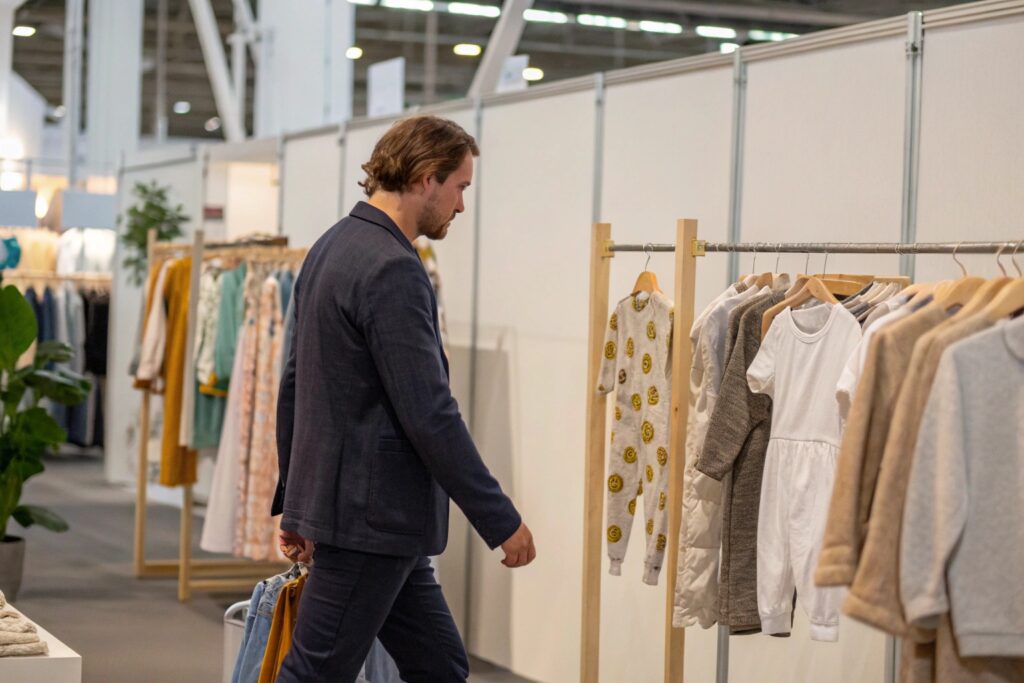
You can find sustainable kidswear accessory suppliers on verified B2B platforms, at ethical trade shows, through certification directories, or by working with experienced OEM manufacturers specializing in eco-fashion.
Trusted sourcing channels:
| Source Type | How It Helps You |
|---|---|
| B2B platforms (Alibaba, Global Sources) | Filter by certified suppliers |
| Sustainable trade shows (Kind + Jugend, Playtime Paris) | Meet eco vendors in person |
| Directories (GOTS, OEKO-TEX) | Find pre-certified manufacturers |
| LinkedIn / Google (with keywords like “organic baby accessories factory”) | Direct outreach to specialists |
What to ask before shortlisting:
- Do they offer recycled or organic materials?
- Do they specialize in baby/kids accessories?
- Can they provide certification documents?
- Are they experienced with low-impact dyeing or printing?
At Fumao, we support brands looking for hairbands, hats, socks, bibs, and scarves made from organic or recycled materials with safe finishes.
What Materials Are Safe and Eco-Friendly for Kids?
Choosing the right material is essential. It must be sustainable—and safe for sensitive skin.
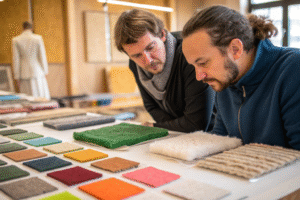
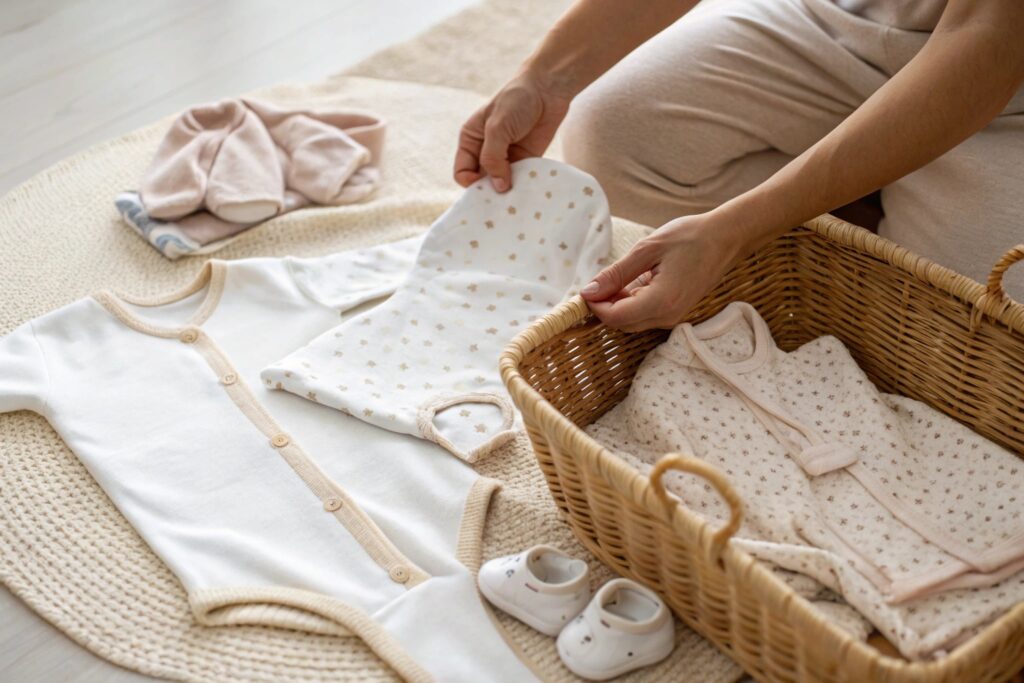
The best eco-friendly materials for kids’ accessories include organic cotton, bamboo, recycled polyester, linen, and natural rubber. Look for soft, non-toxic, hypoallergenic fabrics and trims.
Top sustainable material choices:
| Material | Why It’s Eco-Friendly & Kid-Safe |
|---|---|
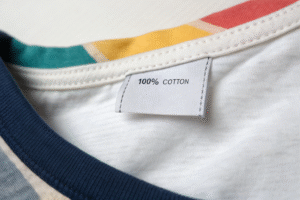
| Organic cotton | No pesticides, soft for baby skin |
| Bamboo viscose | Naturally antibacterial, moisture-wicking |
| Recycled polyester (rPET) | Reduces plastic waste, durable for socks, hats |
| Linen | Biodegradable, breathable, naturally strong |
| Natural rubber | Great for eco-friendly elastic bands |
| Cork / vegan leather | Sustainable alternatives for bags or clips |
Things to avoid:
- PVC or vinyl-based trims (toxic chemicals)
- Metallic coatings with heavy metals
- Glued-on accessories with unsafe adhesives
Fumao offers OEKO-TEX certified organic cotton and rPET options for brands producing kids’ accessories like bibs, beanies, and headbands.
Certifications to Look for in Green Kids’ Accessories?
Don’t just trust “eco-friendly” claims—real proof comes from global certifications.
Look for third-party certifications like GOTS, OEKO-TEX Standard 100, Recycled Claim Standard (RCS), and Fair Trade to verify that kids’ fashion accessories are truly sustainable and safe.
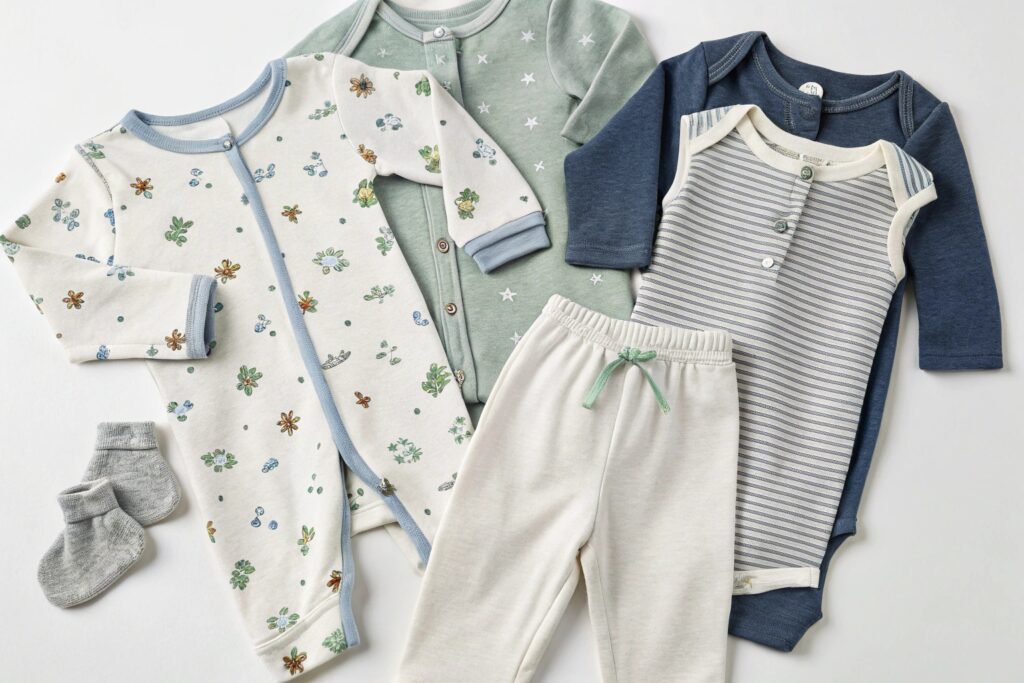
Key certifications and what they mean:
| Certification | What It Confirms |
|---|---|
| GOTS (Global Organic Textile Standard) | Organic fiber + safe chemical processing |
| OEKO-TEX Standard 100 | Free from harmful substances (baby-safe) |
| RCS / GRS | Verifies recycled content in fibers |
| FSC (for packaging) | Sustainable paper and wood-based items |
| Fair Trade Certified | Ethical labor and fair wages |
Where to check:
- Ask for scanned certificates with supplier name and scope
- Check certification numbers on official websites
- Verify validity period and product categories included
At Fumao, we include certification documents with every order upon request and offer labeling options for brands marketing eco collections.
How to Verify Ethical Production Practices?
Sustainability isn’t just about fabric—it’s about people, too.
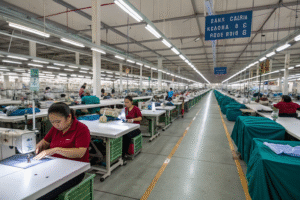
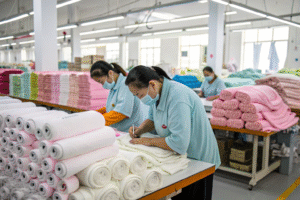
To verify ethical production, ask for third-party audit reports, visit the factory (virtually or in person), and look for social responsibility certifications like BSCI or SEDEX.
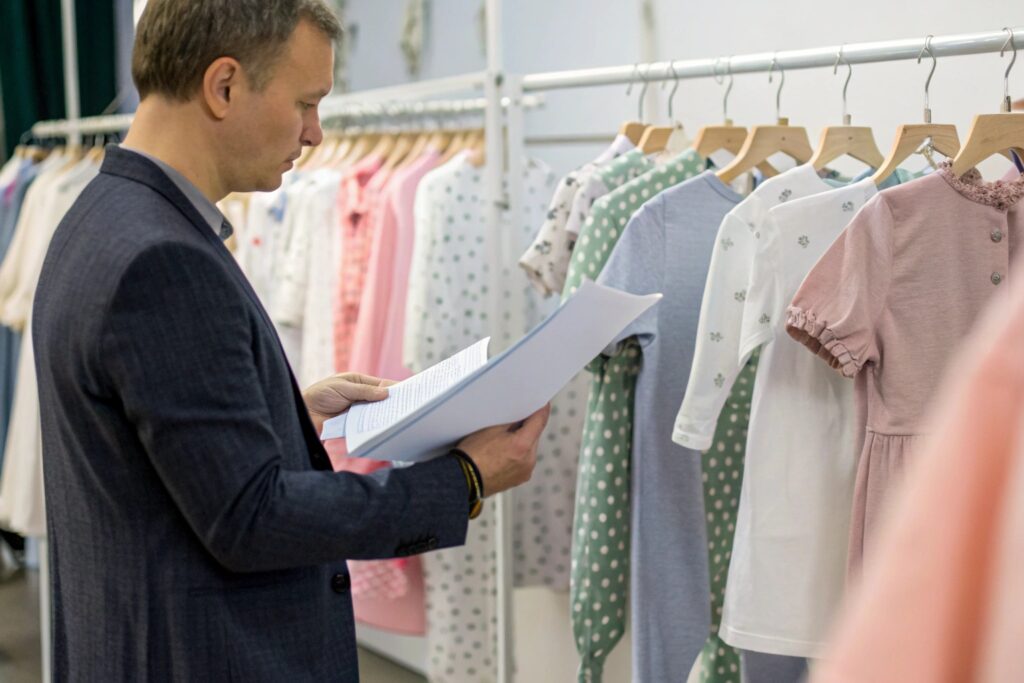
Signs of ethical production:
| What to Ask or Check | Why It Matters |
|---|---|
| BSCI / SEDEX certification | Audits working conditions and wages |
| Factory photos or video tours | Shows real working environment |
| Child labor policy | Protects worker and brand reputation |
| Working hours and wages | Ensure compliance with local laws |
| Environmental policies | Includes water recycling, waste control |
Ethical checklist:
- Does the factory use safe chemicals and dyes?
- Are seamstresses fairly paid and trained?
- Is there proper ventilation, lighting, and safety gear?
- Are children never used in production?
Fumao’s factory is BSCI-audited, and we offer video calls to show our production environment transparently to new partners.
Conclusion
Sourcing eco-friendly kids’ accessories isn’t just about the look—it’s about making smart, ethical, and safe decisions from start to finish. From material choices to certifications and factory ethics, you can build a kidswear brand that today’s conscious parents trust. And with the right partner like Fumao, going green doesn’t have to be complicated.