
I know what you—buyers like Ron—worry about most. You want fabrics that protect little ones, resist odor and microbes, and still pass global safety and wash tests. You also need clear, fast communication, consistent quality, and peace of mind on MOQ and certifications.
If you source antimicrobial fabrics the right way, you get hygiene, performance, and brand trust—all without headaches or delays. Let me guide you to do it confidently.
Which Antimicrobial Treatments Are Safe for Baby Wear?
Understanding treatment types helps you make smart sourcing choices.
What Natural Fibers Offer Antimicrobial Benefit?
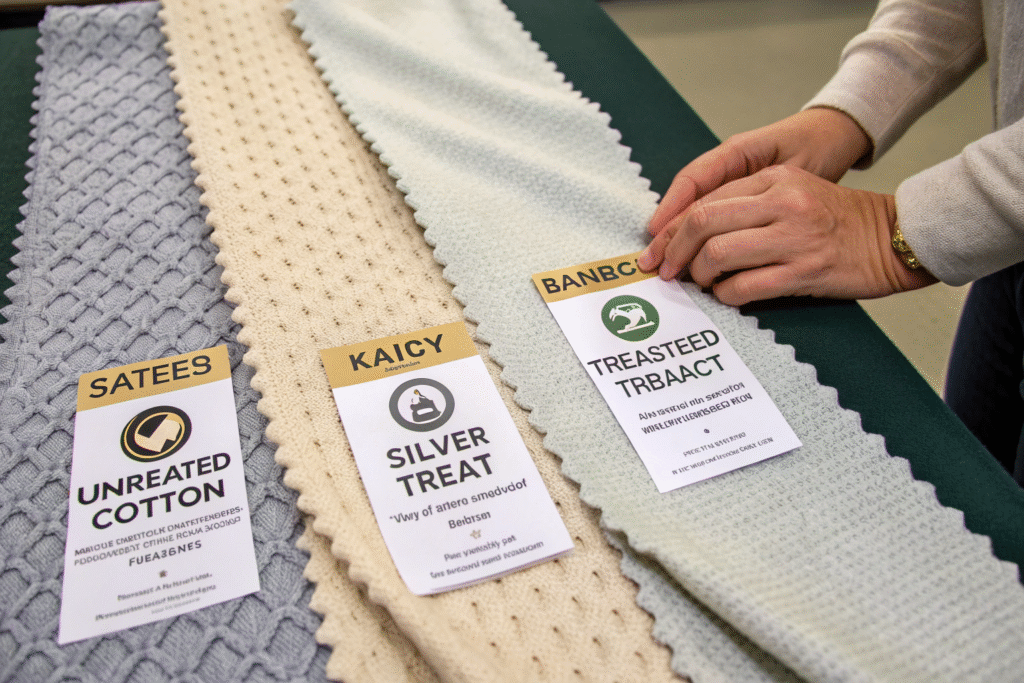
Bamboo, hemp, and merino wool have inherent antimicrobial traits, like bamboo’s natural “bamboo‑kun” compound. These fibers reduce bacteria without extra chemicals, which is ideal for sensitive baby skin and aligns with eco-conscious branding (studies show bamboo contains a unique antimicrobial substance called bamboo‑kun that helps resist bacteria and fungi) :contentReference[oaicite:1]{index=1}.
What Engineered Treatments Work for Kids?
Silver nanoparticles, copper, and zinc are common antimicrobial agents applied through coating or embedded yarns. Technologies like BioCote® deliver long‑lasting protection—BioCote® additives can reduce microbes by up to 99.99% and do not leach or wear off during use :contentReference[oaicite:2]{index=2}.
How to Verify Safety and Effectiveness?
You must ensure treatments work—and are safe.
What Lab Tests Should You Require?
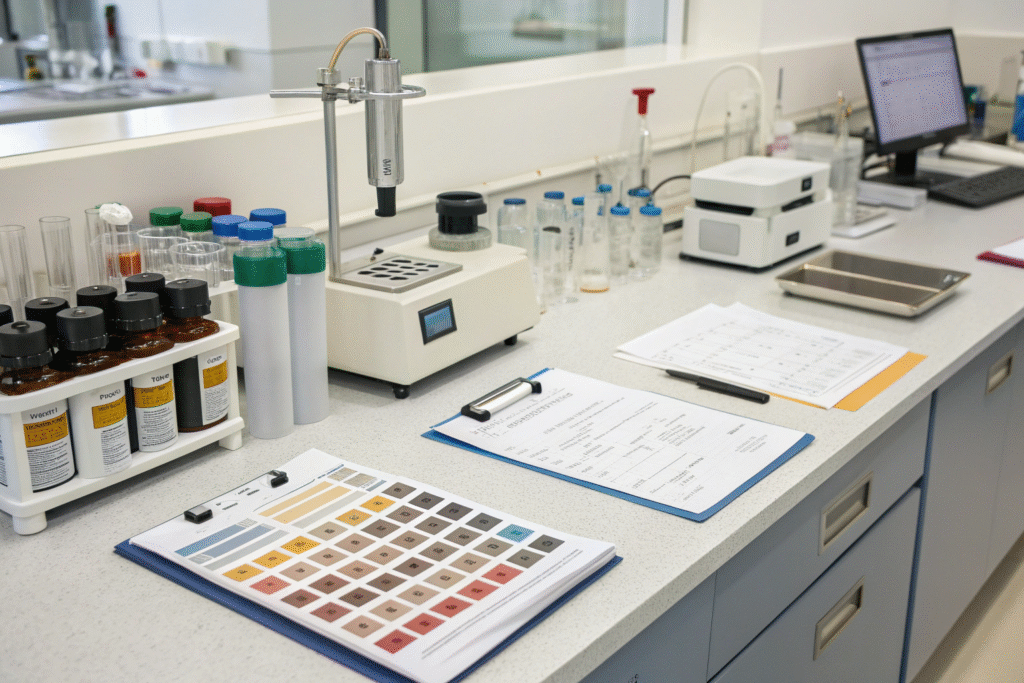
Ask suppliers for third-party lab tests such as AATCC 90, AATCC 100 (bacterial reduction), JIS Z2911, ASTM E2149, or GB/T standards. Make sure they test common microbes for broad coverage :contentReference[oaicite:3]{index=3}.
Are These Treatments Durable?
Yes—well‑applied treatments retain effectiveness through repeated washes. BioCote® additives maintain high levels of antibacterial performance for the expected lifecycle of the textile :contentReference[oaicite:4]{index=4}.
What Are Key Sourcing Steps for Buyers Like You?
Follow these steps to stay on track.
| Step | Action |
|---|---|
| 1 | Define desired approach: natural (e.g., bamboo) vs treated antimicrobial |
| 2 | Require validated lab test reports and wash retention data |
| 3 | Request treated swatches and conduct your own laundering tests |
| 4 | Verify compliance with child-safe standards like OEKO-TEX, CPSIA |
| 5 | Confirm batch-to-batch consistency with supplier |
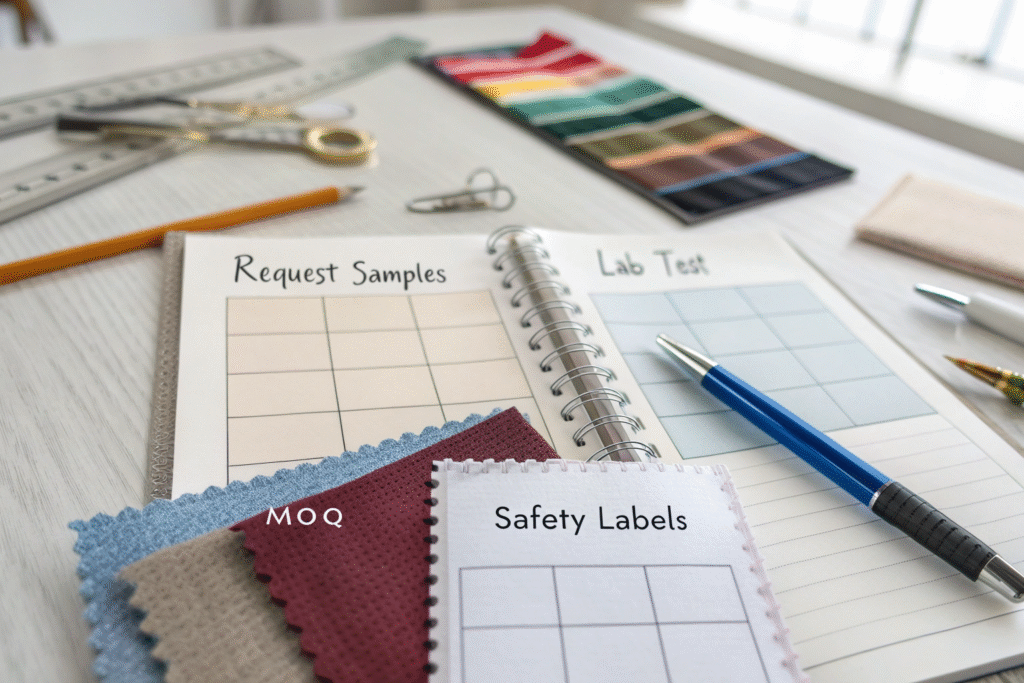
Do You Share Lab Reports and Samples?
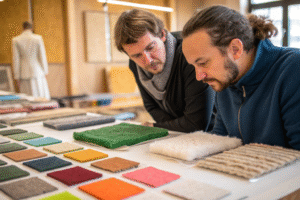
We partner with mills offering both natural and engineered antimicrobial fabrics. We provide swatches and coordinate third-party lab testing for each dye lot for your review.
Can You Ensure Compliance and Safe Processing?
Yes. We ensure treatments meet OEKO‑TEX, CPSIA, and other babywear regulations. We monitor durability, wash loss, and consistency across production runs.
Conclusion
With demand rising for safe, odor-resistant baby clothing, sourcing antimicrobial fabrics is essential—for hygiene and brand trust. But you need proper testing, safety, and consistent supply.
At Shanghai Fumao Clothing, we streamline this process—from swatch to lab report to final garment—so you can focus on growing your brand. Interested in swatch kits, test runs, or antimicrobial textile options? Contact our Business Director Elaine at elaine@fumaoclothing.com.