Ethical sourcing in the babywear industry isn’t just a moral choice—it’s a business imperative. For buyers targeting quality-conscious parents, selecting baby garment suppliers who meet ethical standards ensures product integrity, brand reputation, and long-term growth. Yet, finding those trusted partners in markets like China, India, or Vietnam can feel overwhelming.
The best ethical baby garment suppliers stand out by meeting international compliance standards, offering transparency in labor practices, and maintaining clear documentation of sustainable materials. Knowing how to verify these claims is the first step toward building a responsible and profitable babywear brand.
In this article, I’ll guide you through four practical strategies that will help you select suppliers who align with your brand values and avoid costly compliance pitfalls.
What certifications prove baby garment suppliers are ethical?
The babywear market is under constant scrutiny, and buyers increasingly demand proof—not promises. Certifications help buyers evaluate whether factories truly follow ethical, labor-friendly, and environmentally responsible practices.
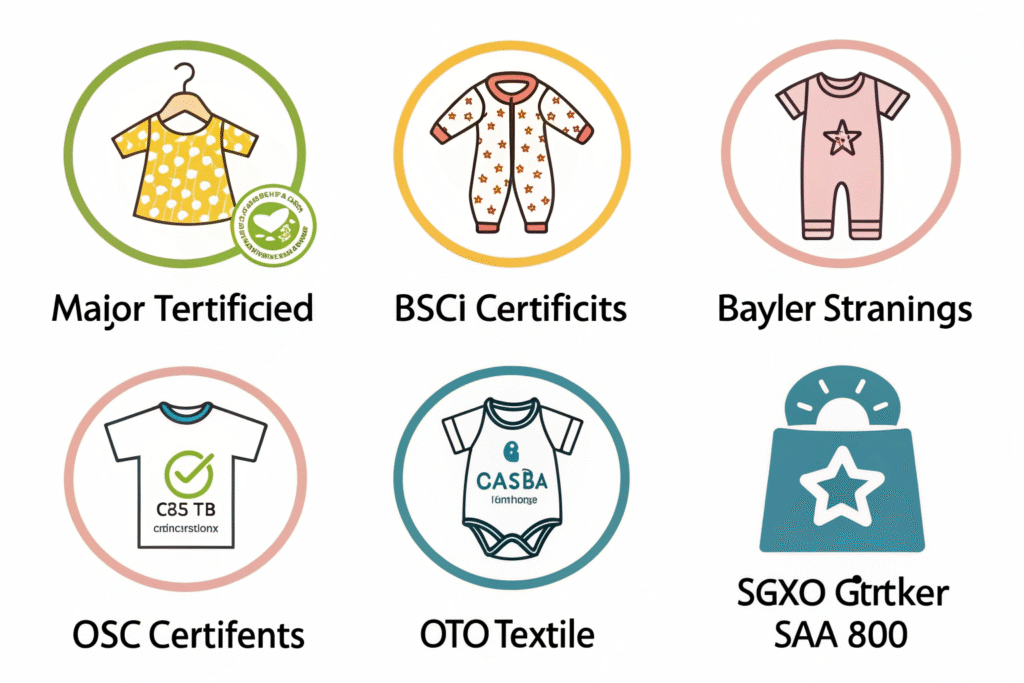
Key certifications like BSCI, OEKO-TEX, GOTS, and SA8000 are essential markers of a supplier’s ethical standards. Each focuses on different dimensions: worker safety, fair pay, environmental impact, and chemical safety.
What is the difference between GOTS and OEKO-TEX?
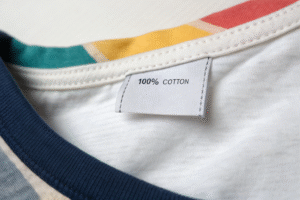
GOTS (Global Organic Textile Standard) ensures the entire supply chain—spinning, weaving, dyeing, and sewing—is organically and ethically managed. In contrast, OEKO-TEX Standard 100 focuses on chemical safety at the product level. A baby onesie made with OEKO-TEX certified cotton means it contains no harmful substances.
For buyers targeting eco-conscious parents, GOTS certification demonstrates deep supply chain transparency. If your audience is more concerned about skin safety, OEKO-TEX is a strong signal of trust.
Why is SA8000 essential for labor compliance?
SA8000 is a leading certification that addresses labor practices, including child labor, forced labor, discrimination, and working hours. For buyers in the US or Europe, especially those targeting premium babywear, partnering with SA8000-compliant factories reduces the risk of reputation-damaging audits.
Always verify the validity of these certifications on official websites—don’t just rely on scanned PDFs.
How do factory audits help verify ethical compliance?
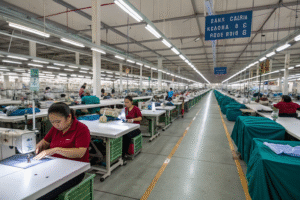
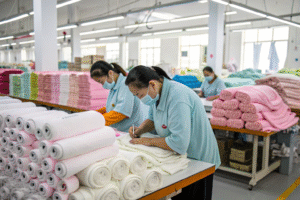
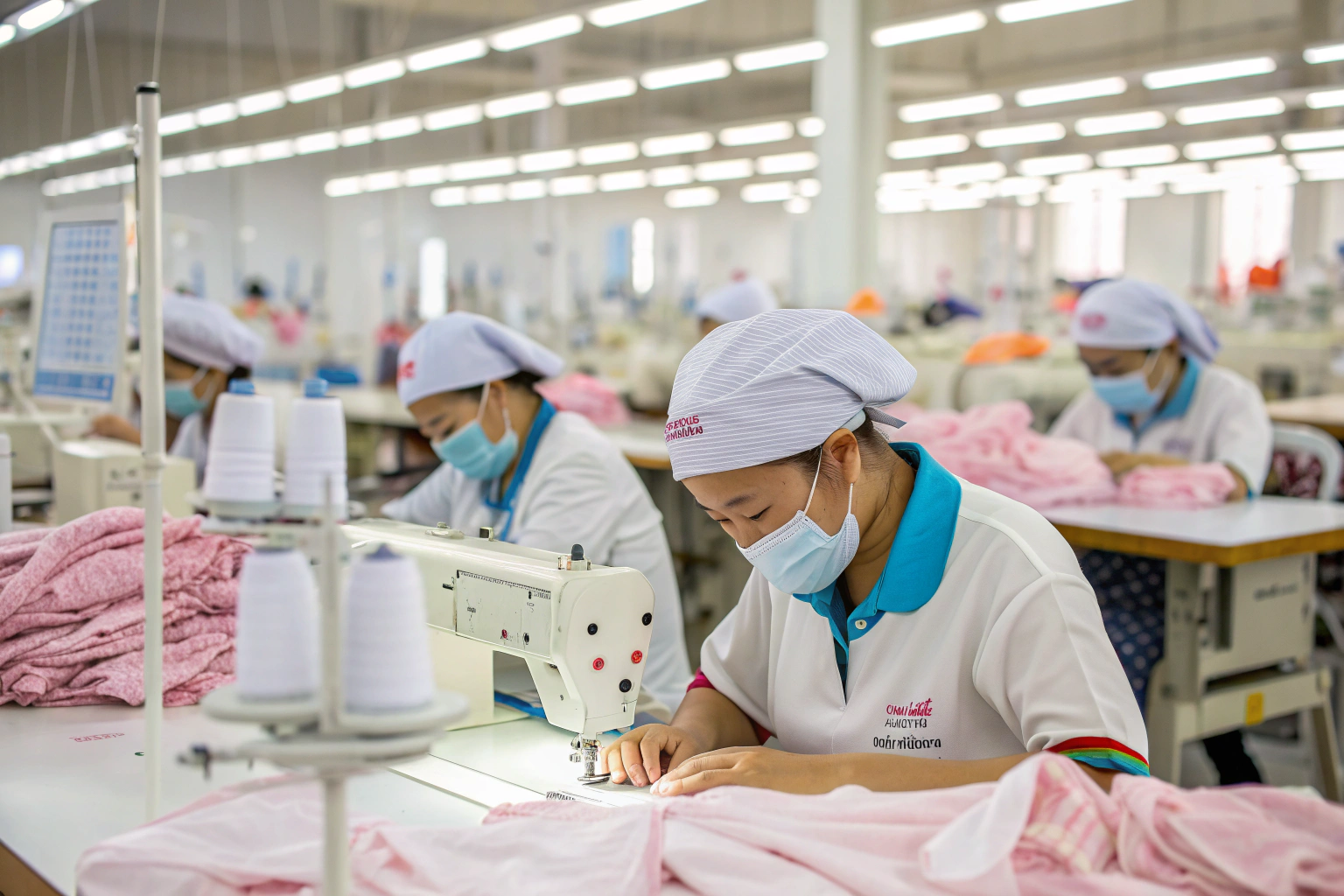
Third-party audits are your eyes inside the factory. They go beyond certificates to uncover the actual conditions in which baby clothes are made—critical for high-sensitivity markets like the U.S.
Factory audits conducted by organizations like SGS, TÜV Rheinland, or Intertek evaluate everything from worker treatment to fire safety and chemical usage.

What is the difference between announced and unannounced audits?
Announced audits give factories time to prepare, which can mask real problems. Unannounced audits are more revealing and often preferred by major brands. If you’re serious about ensuring ethical production, ask your supplier if they’ve passed any unannounced audits recently.
Which audit reports should I request before placing an order?
Before starting production, request the most recent BSCI audit report or equivalent. Focus on sections related to working hours, wage records, and chemical handling. If anything is red-flagged, ask for corrective actions and timelines. A reliable factory will share documentation willingly.
What supply chain transparency practices should I look for?
Transparency builds trust—and in the babywear business, trust is currency. When a supplier is willing to share their material sources, subcontractor lists, and production steps, it shows operational maturity.
True ethical suppliers offer clear traceability on materials and production steps. They’ll also document sustainable sourcing of fabric, ethical subcontractor use, and how orders are tracked in real time.

Should I ask for a bill of materials (BOM)?
Yes. A bill of materials (BOM) outlines every component used in a garment, from fabric and thread to labels and trims. Ethical suppliers will not only share it but also include sources—e.g., organic cotton from India, buttons from GRS-certified vendors in Dongguan.
How can I ensure subcontractors follow ethical standards?
Request a full subcontractor list and confirm whether they are independently audited. Some suppliers only comply at the final assembly level while outsourcing embroidery or packaging to unethical vendors. Ask if subcontractors are bound by the same compliance terms and request proof.
How to negotiate pricing without compromising ethics?
It’s tempting to push for rock-bottom prices—but in the babywear industry, that can lead to corner-cutting in labor or safety standards. Ethical suppliers price fairly because they invest in certifications, safe facilities, and skilled labor.
Smart buyers align price negotiations with ethical expectations, ensuring that lower costs don’t translate into unsafe practices or wage exploitation.

Can I ask for cost breakdowns during quotation?
Absolutely. Ethical suppliers are transparent with cost elements: materials, labor, overhead, compliance. Ask for a costing sheet during quotation and look for lines related to compliance—like BSCI audit fees or OEKO-TEX testing charges. These are indicators that the supplier takes compliance seriously.
What are signs that low prices may mean poor ethics?
Be cautious of extremely low MOQ offers, quotes that are far below market rates, or vague answers about audits. If a supplier avoids questions about chemical testing or factory inspections, it’s a red flag. Ethical suppliers will justify every dollar with process transparency.
Conclusion
Ethical sourcing isn’t just a label—it’s a commitment to protecting the most vulnerable: babies, workers, and your brand’s reputation. When you select baby garment suppliers, ask the right questions, request transparent documentation, and don’t compromise your values for price.
At Shanghai Fumao, we specialize in ethically produced baby and toddler apparel for discerning American and European brands. From certified materials to transparent pricing, we help you source with confidence.
Want to build a responsible, reliable babywear brand? Contact our Business Director Elaine at 📧 elaine@fumaoclothing.com today to start your custom order journey.