Every return costs more than money—it reflects a design decision that didn’t meet the customer’s expectations.
Capsule-focused design helps reduce return rates by prioritizing fit, versatility, timeless aesthetics, and data-driven refinement that aligns with real user needs and body types.
By designing smarter—not just more—we can make every piece more likely to stay loved, worn, and kept.
Why Fit and Versatility Matter in Capsule Pieces
Capsules aren’t about having less—they’re about having only what works.
Well-fitting, versatile garments reduce returns by increasing wearer satisfaction, comfort, and frequency of use across multiple outfits and activities.
Why does inconsistent fit cause high return rates in capsule collections?
When customers buy a capsule, they expect simplicity. But poor or unpredictable fit introduces stress. If one shirt fits perfectly but the other runs tight or short, parents lose trust—and are likely to return both.
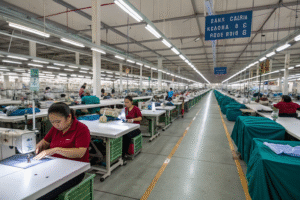
We’ve seen this across brands we supply at Fumao Clothing. Capsules should be the most reliable items in the closet. That’s why we use cross-style grading charts to ensure consistent length, width, and stretch tolerances across every piece in a set.
One client in the U.S. reduced their kidswear returns by 29% just by standardizing body length across all tops. When in doubt, consistency wins.
How does versatility improve wear frequency and reduce buyer’s remorse?
Parents want value—and that often means versatility. When capsule garments work for school, play, and family events, they get worn more often and returned less.
We help our clients build design elements like:
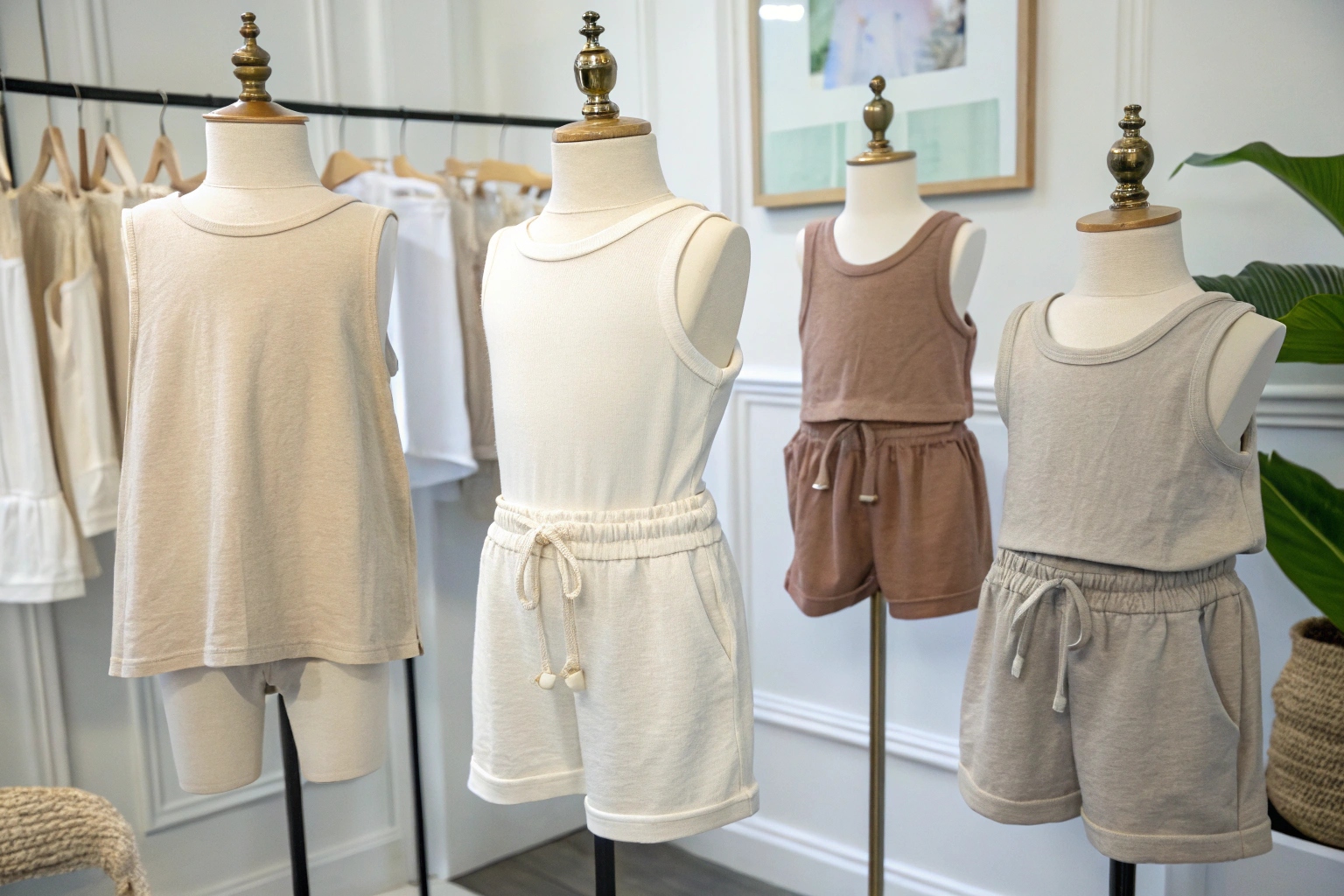
- Neutral or earthy color schemes
- Reversible jackets or pants
- Detachable sleeves or cuffs
- Adjustable waistbands
One brand using our modular hoodie design—zippable sleeves, neutral tones—reported that parents often kept the item even if they were unsure about fit, because of how useful it was.
Versatility turns “maybe I’ll return it” into “let’s see how else we can use it.”
Designing Kidswear Capsules to Minimize Sizing Issues
Sizing is one of the most common and costly reasons for apparel returns.
To minimize returns, kidswear capsules must include flexible sizing elements, regional fit data, and design details that accommodate growth and movement.
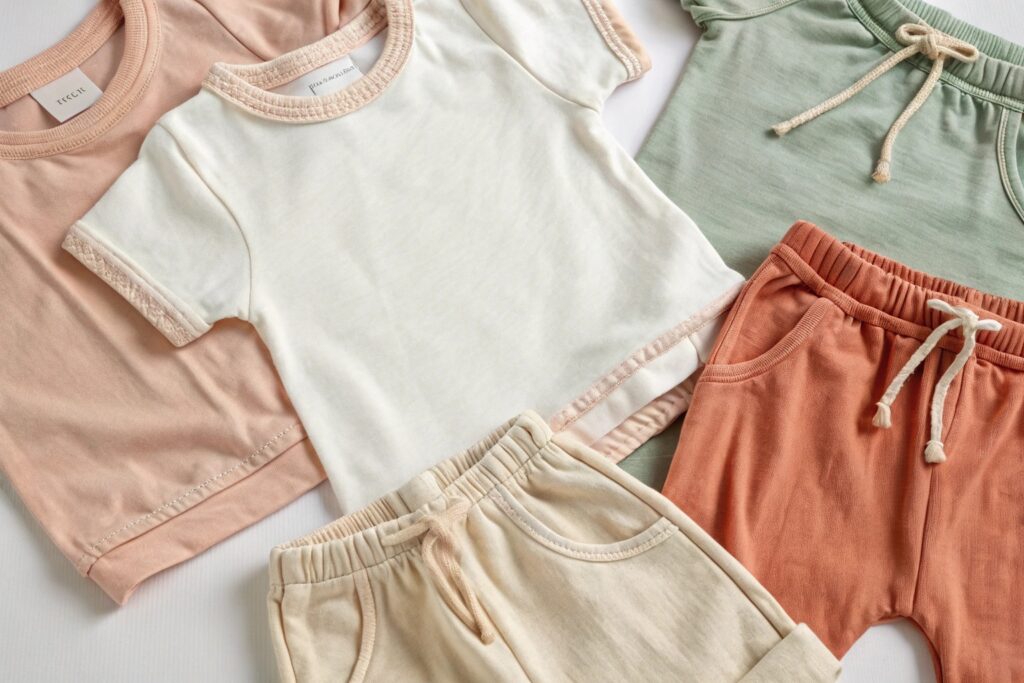
What common sizing issues lead to returns in kids’ capsule items?
We’ve analyzed return data for clients across North America and Europe. Here are the top culprits:
- Tight necklines
- Short or narrow sleeves
- Waistbands without adjusters
- Inflexible hems in activewear
- Unexpected shrinkage after washing
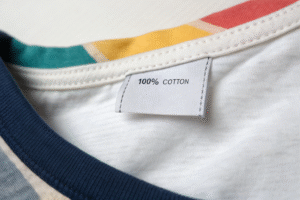
To fix these, we build garments with pre-shrunk fabrics, extended rib cuffs, and hidden waistband buttonholes. These design features allow for size forgiveness, which is essential when kids grow quickly.
In one case, our capsule-ready jogger design included a 2” adjustable waistband and extra-length inseam. The garment worked for both 3T and 4T kids—dramatically reducing sizing-related returns.
How can brands design capsules that “grow” with the child?
Capsule success lies in longevity through growth. Parents want clothes that last more than a month. We support this by designing for:
- Size-flexible silhouettes
- High-recovery stretch materials
- Reinforced seams for extended wear
- Room-to-grow proportions (e.g., drop shoulders)
We also guide brands to add clear product descriptors like “fits through 2 growth stages” or “adjustable fit for growing toddlers.” Transparency builds trust—and lowers returns.
Capsules should evolve with the child, not expire on a growth spurt.
How Timeless Styles Help Lower Return Rates
Trendy pieces date fast—and customers change their minds just as fast.
Timeless kidswear designs reduce return rates by staying relevant across seasons, matching more wardrobe items, and appealing to broader parent preferences.
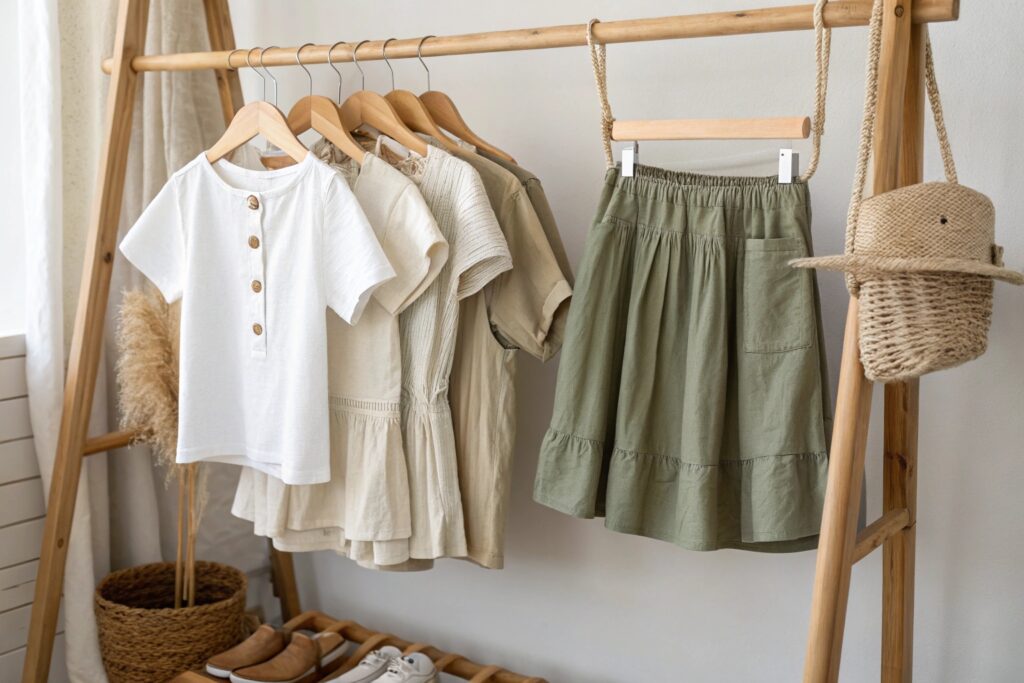
What design choices help ensure capsule items stay in use longer?
Timeless styles are rooted in simplicity, neutrality, and ease of pairing. We recommend these core traits:
- Solid or softly patterned fabrics
- Classic silhouettes like A-line dresses or joggers
- Avoidance of heavy logos or one-season motifs
- Universal colors like navy, cream, sage, rust, and denim
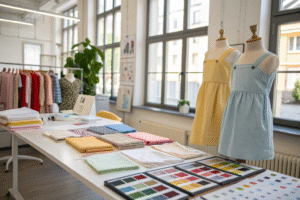
We helped one brand redesign their spring capsule by removing pastel prints and switching to earth-tone colorblocking. Not only did return rates drop, but their resale value on secondhand platforms increased by 43%.
Parents don’t return what feels timeless. They return what feels outdated by the next holiday.
Why do slow fashion aesthetics perform better in capsule programs?
Capsules are inherently aligned with slow fashion. Pieces are meant to work over time—not just a moment.
That’s why we encourage brands to:
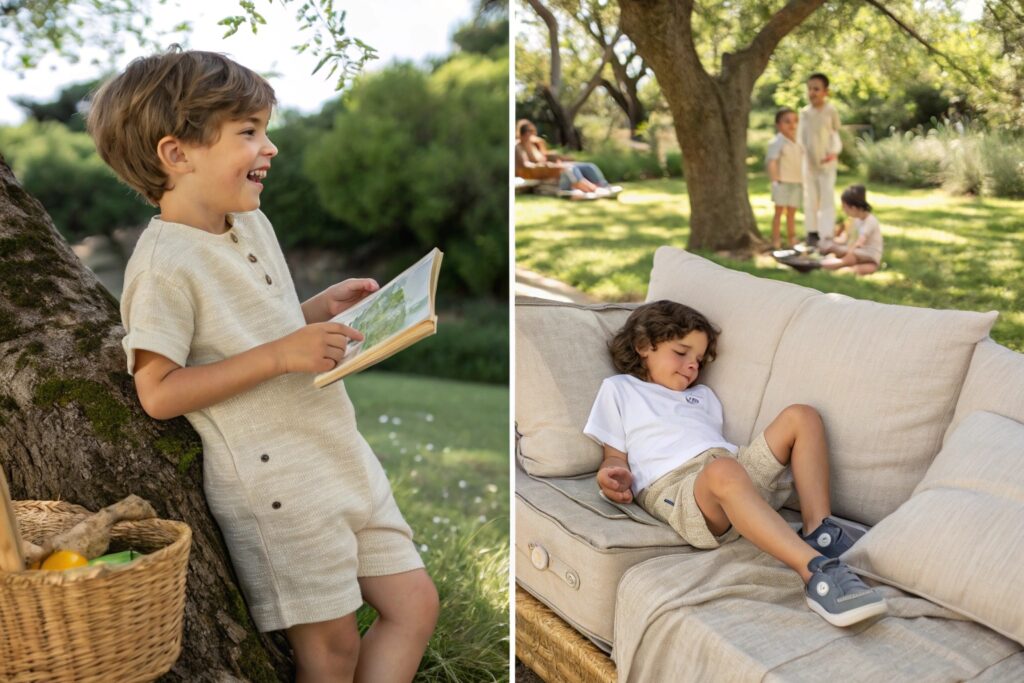
- Shoot lifestyle photography in natural, home settings
- Use real children with diverse body types
- Avoid references to fleeting trends like "back-to-school” or “Easter only”
When capsule products feel perennial, parents treat them as essentials—not experiments. That emotional security drives down returns and builds brand loyalty.
Capsule style should say, “Wear me anytime.” Not, “Wear me this weekend.”
Using Customer Data to Refine Capsule Collections
Smart design isn’t one-time—it’s iterative, and powered by feedback.
Using customer data helps brands continuously improve capsule design, identify fit and style issues early, and reduce returns through responsive adjustments.
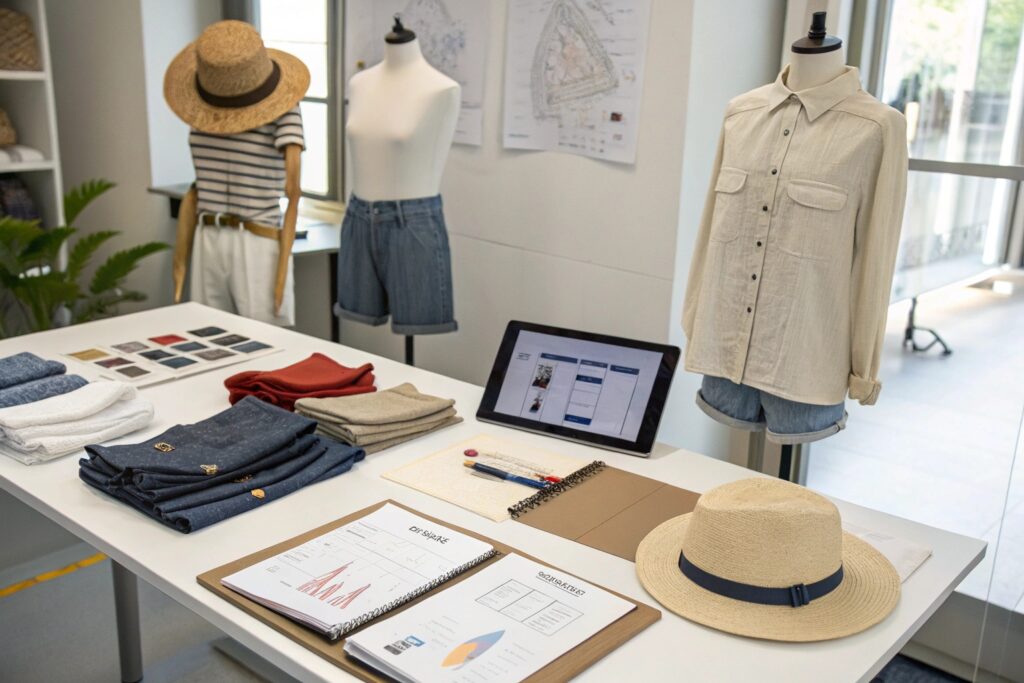
What types of data should brands collect to improve future capsule pieces?
Capsule items are worn often, so data on them is especially valuable. Brands should collect:
- Return reasons (e.g., too tight, wrong color, scratchy fabric)
- Fit ratings by age/size group
- Style pairing feedback (what pieces were most/least used)
- Post-purchase surveys with photo uploads
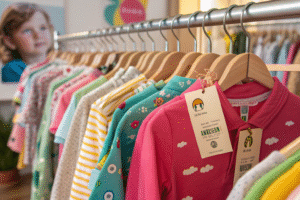
We help our partners integrate QR code feedback loops—on hang tags or packaging—that link to micro-surveys. One client who implemented this captured over 700 fit-related responses in 3 months. They used that data to widen shoulder seams in their next batch.
Listening to the customer isn’t optional—it’s a product strategy.
How can brands use AI or data analytics to optimize capsule sizing and style?
We work with capsule brands to integrate simple AI fit prediction tools. These recommend sizes based on past order behavior, child’s age, weight, and even local sizing norms.
Here’s what we often recommend implementing:
| Tool/Feature | Benefit |
|---|---|
| Size selector widget | Reduces mismatched purchases |
| Fit heatmap reports | Highlights frequent pain points |
| Style popularity tracker | Optimizes reorders and bundles |
| SKU-level return data | Flags designs for revision |
At Fumao Clothing, we support brands with MOQ-flexible reorders—so they can quickly pivot based on customer data, not guesswork.
Capsules thrive when they evolve—and data is the map.
Conclusion
Return reduction isn’t just a logistics goal—it’s a design mission. Capsule-focused thinking, when backed by quality fit, versatile function, timeless style, and user data, keeps garments out of the return bin and in the child’s daily rotation.