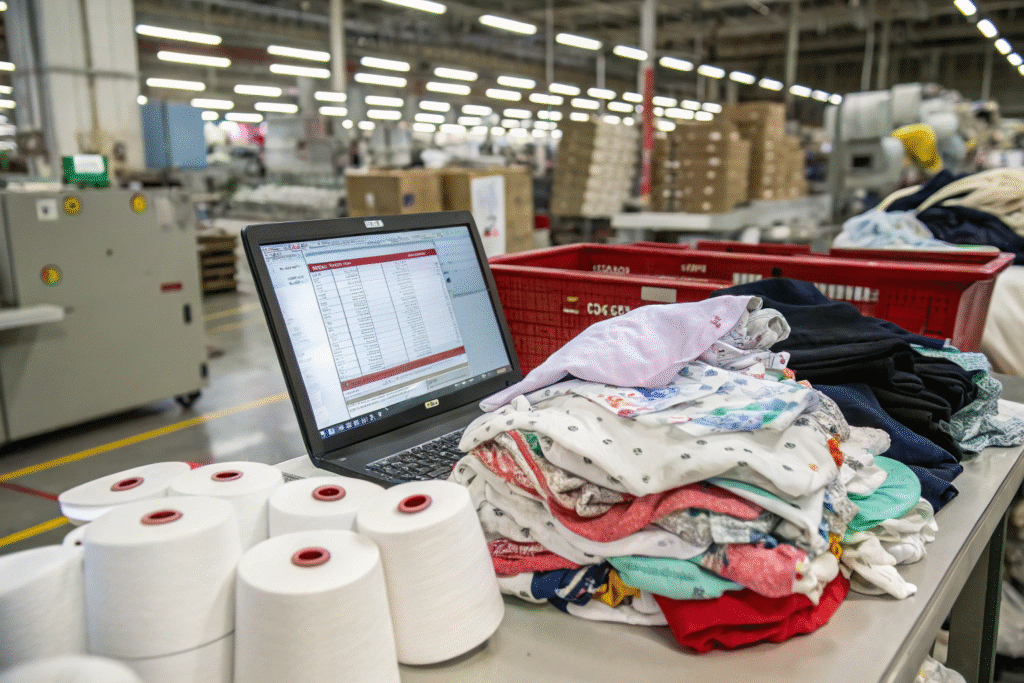
Overproduction is one of the most expensive and unsustainable mistakes in the kidswear industry. Unlike adult fashion, children’s clothing has a shorter shelf life, more frequent size transitions, and limited resale potential. And once you’re left with 2,000 unsold size-18M rompers, your profit margin vanishes.
Preventing overproduction in kidswear means aligning design, forecasting, factory capacity, and inventory systems—before production even begins. It’s about building lean, responsive supply chains that minimize waste without risking stockouts.
In this article, I’ll break down the most practical strategies you can apply to reduce overproduction, whether you’re a boutique brand or a wholesale apparel buyer working with overseas factories.
Why Does Overproduction Happen in Kidswear?
The kidswear segment is especially vulnerable to overproduction due to rapid sizing cycles, seasonal shifts, and low predictability in infant growth trends. Many brands over-order "just in case"—but that leads to markdowns, warehouse costs, or even landfill waste.
Overproduction usually stems from poor forecasting, vague MOQs, limited flexibility at the factory level, and disconnected design-to-logistics workflows.
What Are the Most Common Causes of Overstock?
- Inaccurate sales forecasts or outdated growth curves
- High MOQ pressures from suppliers
- Too many SKUs across sizes/colors
- Producing for multiple seasons at once
- Lack of live inventory visibility during production
Read case studies from Sourcing Journal and Apparel Resources showing how poor demand planning has cost babywear brands millions.
How Is Kidswear More At-Risk Than Adult Fashion?
- Kids outgrow sizes rapidly
- Parents shop closer to season needs
- Fewer “timeless” SKUs
- Resale or donation is harder due to hygiene sensitivity
For an overview, refer to McKinsey’s Kidswear Growth Report.
How Can Smart Forecasting Reduce Waste?
Forecasting doesn’t eliminate risk—but it sharpens your assumptions. Brands that integrate AI tools, sales history, and market insights into their planning process produce 30–50% less overstock, according to industry audits.
Use historic sales data, smart size curves, and geographic buying behavior to forecast your kidswear production more accurately.
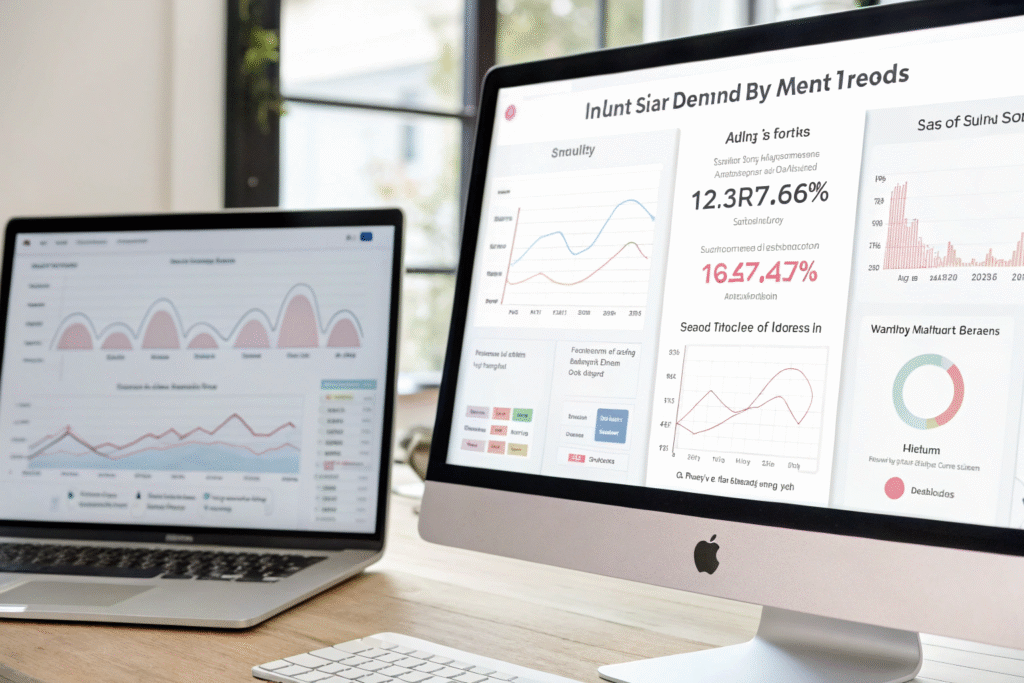
What Forecasting Tools Are Useful for Kidswear Brands?
- Inventory Planner for seasonal auto-reorder modeling
- Trendalytics for demand forecasting by category and search data
- Lectra’s Retviews for real-time retail assortment tracking
- Google Trends to spot spikes in seasonal demand (e.g., baby swimwear)
Explore Trendalytics and Inventory Planner to see how top DTC and wholesale brands forecast smarter.
How Should Size Curve Planning Be Handled?
Don’t split inventory evenly across sizes. For example:
- 6M may outsell 12M in sleepwear
- 2T and 3T often have more volume in seasonal outerwear
- Skip niche sizes unless validated by sales data
Platforms like MakerSights allow pre-launch polling with parent communities to optimize sizing ratios.
What Role Does MOQs and Factory Flexibility Play?
Low or flexible MOQs (Minimum Order Quantities) are vital for avoiding overproduction. Many brands overbuy just to hit 1,000-piece thresholds—when they may only need 300 units to validate a design or fabric.
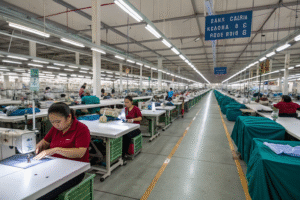
Partnering with small to mid-scale factories that offer split MOQs, size bundling, and rolling production windows helps reduce risk and keep inventory lean.
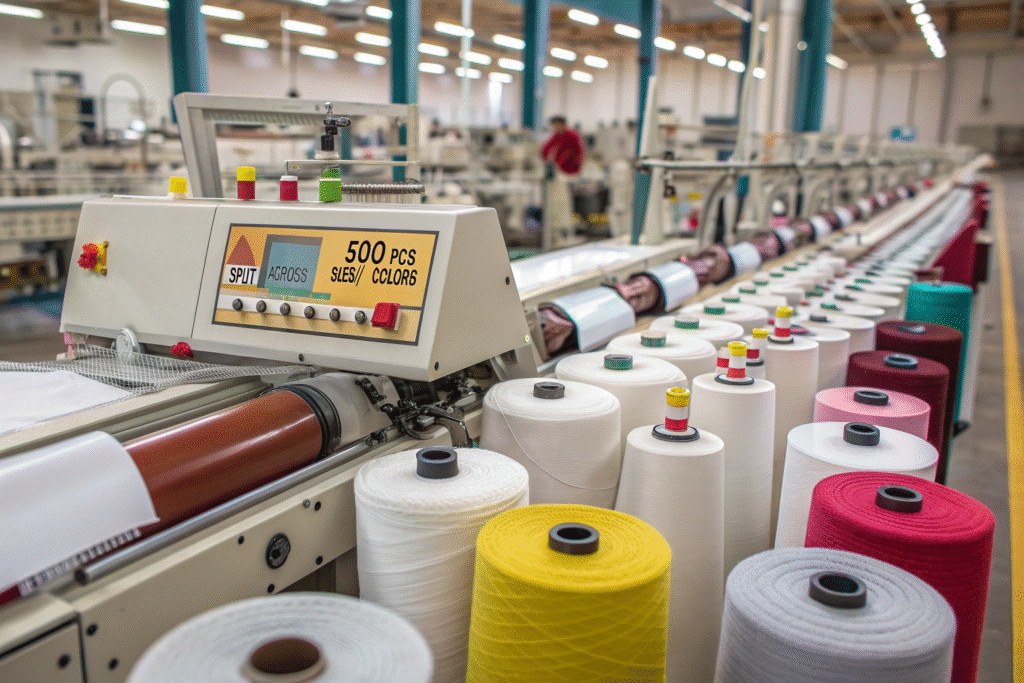
What Is an MOQ-Split Strategy?
Instead of:
- 1,000 pcs in size 12M
Try:
- 300 pcs in 6M
- 200 pcs in 9M
- 300 pcs in 12M
- 200 pcs in 18M
This spreads your investment while still hitting production targets. See examples of MOQ ladders from suppliers on Alibaba and Made-in-China.
How Do You Negotiate More Flexibility with a Factory?
- Ask for “size ratio batching” or “rolling production”
- Offer a 6-month order window with phased releases
- Bundle styles to reach shared MOQ (e.g., same fabric, 3 designs)
Factories like ours at Fumao offer flexible MOQ programs for babywear brands. For reference, read how Printful handles small-batch infant garment fulfillment.
How Can Real-Time Inventory Help Prevent Overstock?
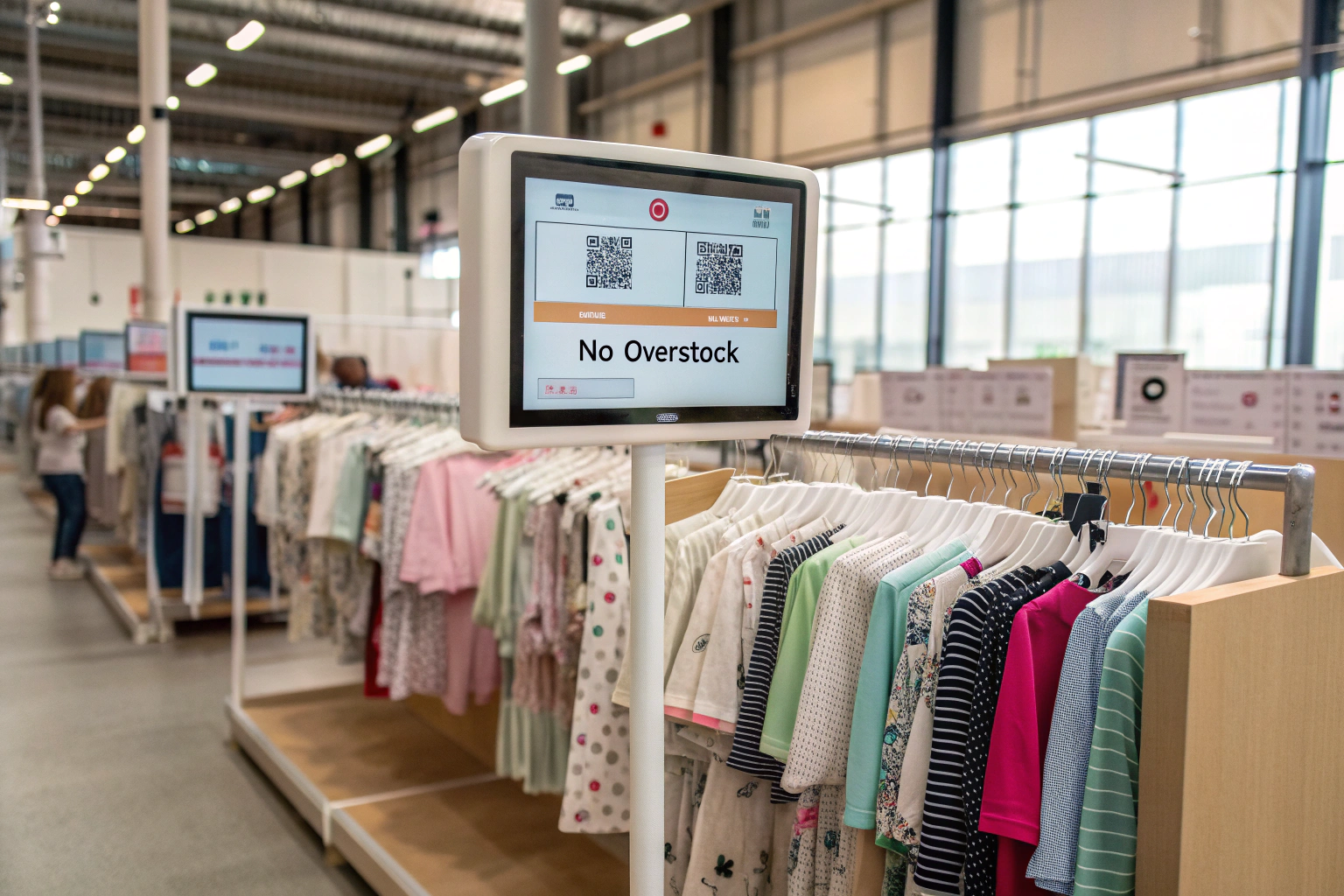
It’s hard to avoid overproduction if you can’t see what’s already overstocked. Brands that connect POS, warehouse, and factory inventory gain a competitive edge. Real-time visibility prevents reordering mistakes and flags unsold inventory early.
Using inventory management tools integrated with sales data helps brands course-correct and cut down on unnecessary replenishment.
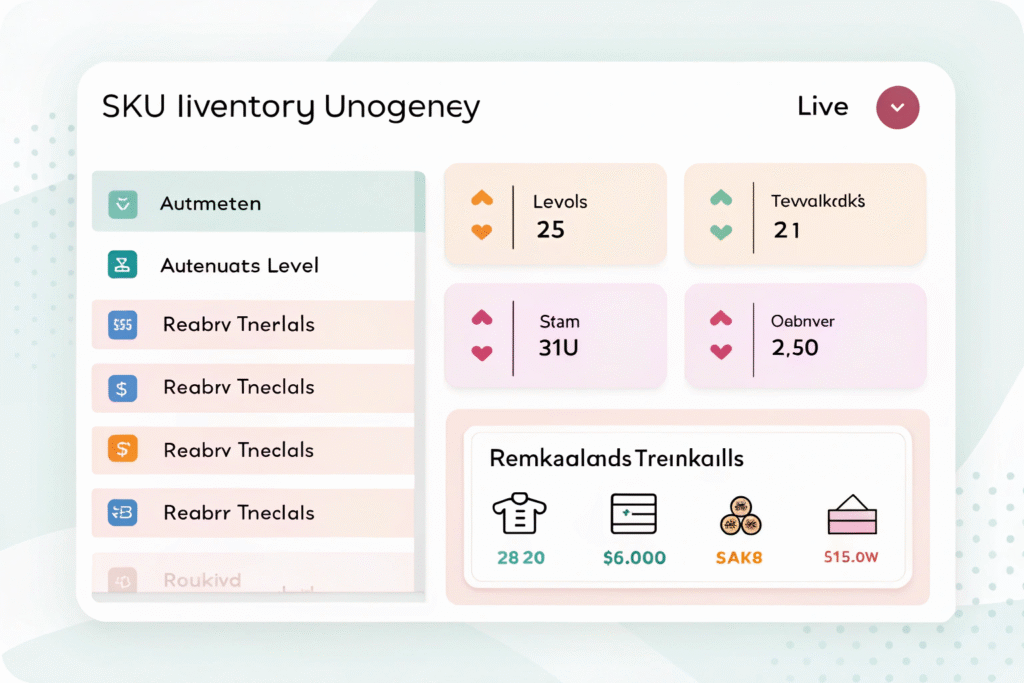
What Systems Enable Real-Time Visibility?
- DEAR Inventory for order sync across sales channels
- Skubana by Extensiv for ERP-level supply chain control
- Shopify + Stocky for DTC inventory sync
- Katana for factory-floor-to-eCommerce alignment
Visit Skubana and Katana to explore inventory systems suitable for lean kidswear operations.
Can You Use Live Data to Stop Production Midway?
Yes—smart brands check initial sell-through rates and pause production on slower SKUs. For example, if your 9M footed sleeper only moves 40% after 3 weeks, delay or cancel the rest. This is known as just-in-time blocking, and it’s widely used in fast fashion.
Conclusion
Overproduction is the silent killer of profitability in kidswear. Between size splits, rapid growth cycles, and market unpredictability, you must plan leaner and smarter. With better forecasting, flexible MOQs, and real-time visibility, you can reduce waste and increase sell-through rates across every drop.
At Shanghai Fumao, we help brands prevent overproduction from day one. Our production team offers MOQ bundling, size ratio planning, rolling releases, and on-demand inventory reviews. Whether you’re launching a babywear capsule or scaling wholesale SKUs, we make lean production easy.
To explore how we can help reduce your risk of overstock, contact our Business Director Elaine at elaine@fumaoclothing.com. Let’s build your next collection with precision—not overproduction.