
Defects in children’s clothing can cost your brand more than just money—they damage trust. For importers, wholesalers, and private label brands selling in competitive markets like the U.S., handling quality issues quickly and professionally is a must.
Handling defective children’s clothing requires a clear inspection process, photographic documentation, factory communication, quality claims, and resolution strategies like repairs, reworks, or refunds.
As a babywear manufacturer, I’ve seen how brands protect their margins and reputation through strong defect-handling SOPs. Whether you’re sourcing directly from China, India, or Vietnam, this article will guide you through best practices to manage defects and minimize losses.
What Counts as a Defect in Children’s Clothing?
Not every minor flaw qualifies as a defect—but in children’s wear, the margin for error is smaller. Safety and comfort are critical, and defects can lead to serious consumer dissatisfaction or even regulatory risk.
A defect in children’s clothing is any flaw that impacts fit, function, safety, durability, or visual appeal—such as mislabeling, poor stitching, or missing trims.

What are the most common babywear defects?
From our factory experience, the most frequent issues include:
- Broken snaps or loose buttons
- Inconsistent sizing (e.g., 6M labeled garment fitting like 3M)
- Fabric holes, runs, or pilling
- Unraveled stitching or seam slippage
- Off-position prints or embroidery
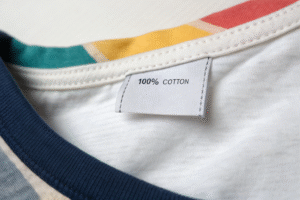
- Incorrect fiber content labels
According to SGS inspection reports, up to 12% of mass-produced children’s garments may have grade B issues without full QC protocols.
Which defects can trigger compliance issues?
In the U.S., anything related to CPSIA compliance is serious. That includes:
- Lead-containing trims
- Flammable materials in sleepwear
- Sharp edges on zippers
- Missing tracking labels
These aren’t just cosmetic—they can lead to product recalls, import holds, or lawsuits. That’s why our production always includes needle detection and lead-content testing before shipping.
How Should You Inspect and Document Defects?
To claim compensation or correction, you must first collect solid, organized evidence. This ensures your factory takes responsibility and helps you analyze recurring problems.
You should document each defect with high-resolution photos, size charts, timestamps, packaging notes, and batch/PO numbers.

What should your defect report include?
An effective defect report should contain:
- PO number or style code
- Photos of defect (wide + close-up)
- Description of issue (with measurements if relevant)
- Affected sizes/quantities
- Shipping box label
- Batch or carton number
- Date of discovery
Use templates like this free garment defect checklist from QIMA to maintain clarity.
What tools make inspection more efficient?
- Google Drive or Dropbox folders for organized photo sharing
- Excel or Airtable defect logs for traceability
- Inspectorio or Pivot88 for advanced digital QC reports
- Mobile apps like Photos with Timestamp Camera for iOS/Android
At Fumao, we create shared folders for every client so they can monitor bulk photos, top-size samples, and QC records before shipment.
What to Do After Discovering Defective Stock?
Once you’ve found a defect, timing is everything. You need to contact your supplier immediately, freeze the stock (if needed), and document loss or damage for possible claims.
After discovering defects, isolate the affected goods, notify your supplier, assess rework options, and negotiate compensation—based on your agreed QC terms.

What are your options for resolution?
Depending on severity and your agreement, here are the most common remedies:
- Repair/Rework: Minor defects (e.g., loose threads) can be fixed in your warehouse or locally
- Replacement: For larger issues, the factory may ship new goods at their cost
- Credit/Refund: A per-unit discount or refund applied to next order
- Return to factory: Rare due to shipping cost, unless supplier offers DDP returns
Factories with clear return terms in place can act faster. At Fumao, we work with clients to replace or refund up to 100% of defective units within 7 days of report submission.
How to negotiate defect compensation fairly?
First, refer to your AQL agreement. If your contract allows 2.5% major defects, and you find 8%, you have a case.
Send:
- The full defect report
- Value of defective goods
- Suggested remedy (e.g., 15% credit or 200 replacement units)
- Photos, carton numbers, and inspection dates
Be factual, not emotional. Reputable suppliers will respect clear documentation and logical requests.
How to Prevent Defects Before They Ship?
Prevention is always cheaper than correction. With children’s clothing, that means embedding quality checks throughout production—not just at the end.
To avoid defects, implement inline inspections, fabric tests, pre-packing checks, and use certified labs for safety compliance—before your goods ship.

What QC steps reduce babywear defects?
We recommend:
- Fabric Inspection before cutting (check GSM, pilling, shrinkage)
- Inline sewing inspections by supervisors at 30%, 70% progress
- Final Random Inspection (FRI) using AQL method
- Snap pull testing (required by ASTM F963 for U.S. children’s clothing)
- Needle detection scan for metallic parts in babywear
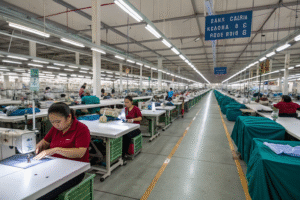
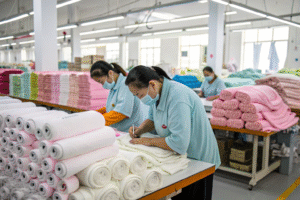
Our factory team conducts a 5-point pre-packing QC for each style: seams, label, size, packaging, and compliance tags.
Should you hire third-party inspectors?
If you’re placing large orders, yes. Use services like:
- QIMA (global)
- Intertek (compliance-focused)
- AsiaInspection (China/India/Vietnam focused)
They provide reports within 24 hours, and offer specialized children’s product inspections. At Fumao, we allow buyers to arrange third-party QC or use our internal team—at no extra charge for 5K+ piece orders.
Conclusion
Defects are part of every supply chain—but they don’t have to hurt your business. By identifying, documenting, and responding strategically, you protect your profit, product integrity, and customer trust. When it comes to children’s clothing, quality control isn’t just about appearance—it’s about safety, satisfaction, and standards.
At Shanghai Fumao, we help global kidswear brands reduce defect rates through in-factory QC, transparent claims processes, and certified testing. Want a supplier that stands behind their quality? Contact our Business Director Elaine at elaine@fumaoclothing.com to discuss how we handle quality together.