Ensuring ethical manufacturing in children’s clothing isn’t just about meeting regulations — it’s about building trust with parents and buyers. In 2025, ethical production defines brand identity and market success.
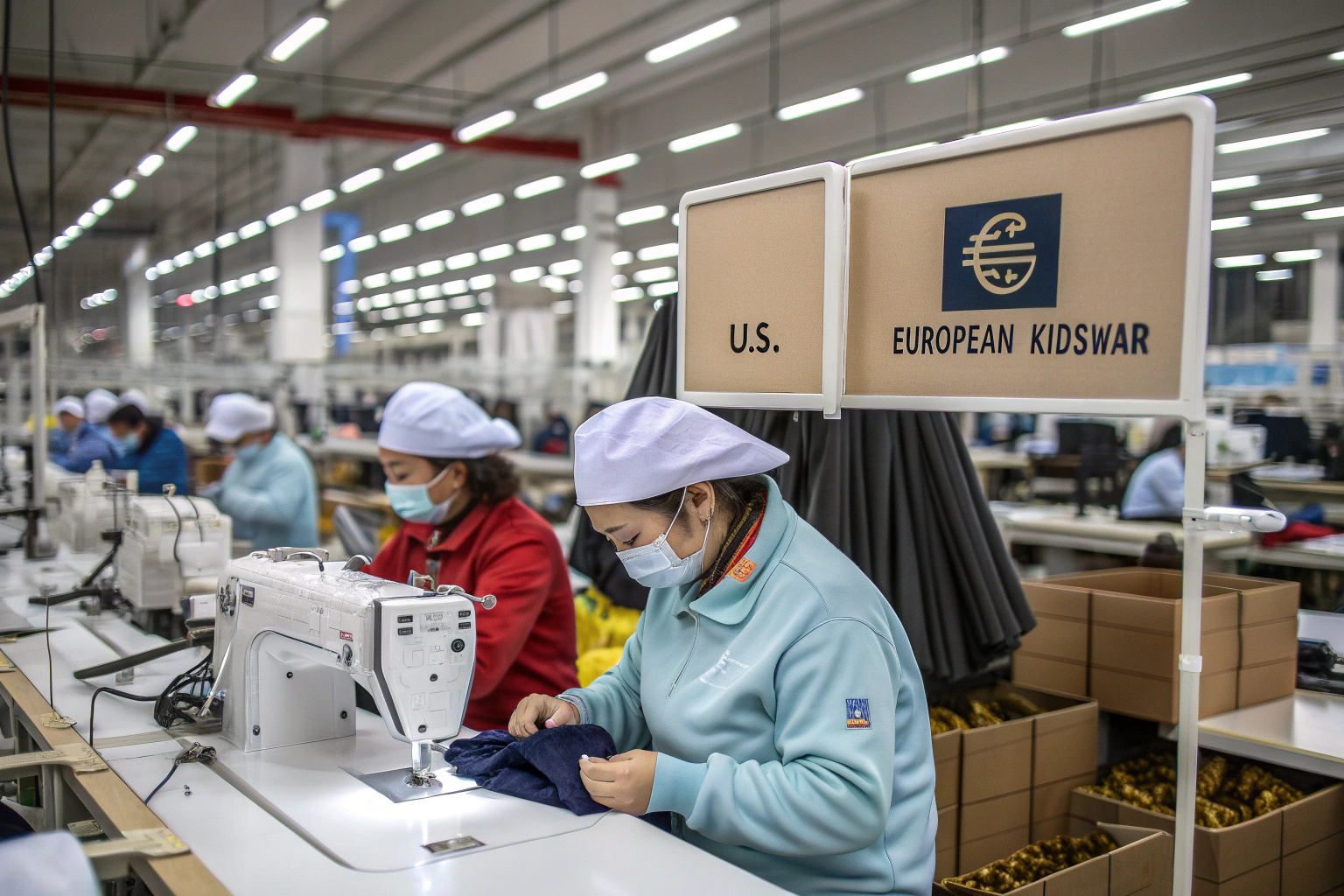
Ethical practices minimize risk, improve reliability, and enhance brand reputation. As a Chinese factory owner working with U.S. and European kidswear brands, I share proven steps we take to ensure that every garment is crafted responsibly, transparently, and sustainably.
What certifications prove ethical manufacturing?
Certifications are key proof of ethical practices. They ensure your products are made under safe, humane, and environmentally sound conditions.

How do GOTS and OEKO‑TEX support ethical standards?
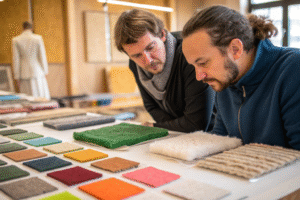
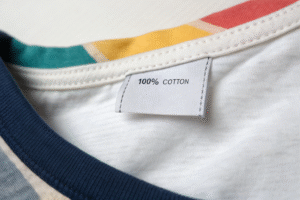
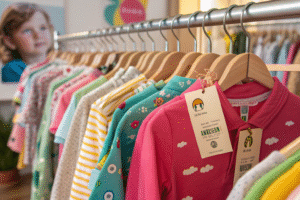
GOTS ensures organic supply chains meet strict environmental and social criteria. OEKO‑TEX STANDARD 100 tests for harmful chemicals in fabrics. Brands like Hanna Andersson use both to guarantee safe, non-toxic children’s wear.
These labels assure parents that garments are safe and factories are accountable.
What social compliance certificates are important?
WRAP and BSCI focus on labor practices and worker welfare. WRAP audits factory safety, wages, and working hours. BSCI, used across Europe, checks ethical sourcing. Third-party certification is essential. Many retailers demand proof of these before approving suppliers.
How can transparency improve ethical production?
Transparency builds trust. The more buyers and consumers see your process, the stronger their confidence grows.

Can factory tours help ensure ethics?
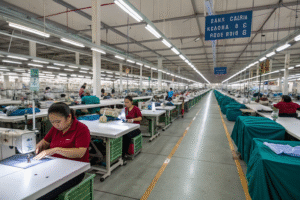
Yes. In‑person or virtual tours let brands verify working conditions firsthand. Live video calls, walkthroughs, and Q&A sessions allow buyers to inspect workspace cleanliness and staff treatment. Factories using tools like Zoom or WeChat share real-time visibility and accountability.
Is supply chain traceability practical?
Tracking raw materials using QR codes ensures every batch is traceable. Buyers scan codes to learn about fiber origin, dye lot, and production batch. Brands can show that to retailers and parents. Use platforms like TrusTrace or custom trace systems to support transparency.
What role does working condition monitoring play?
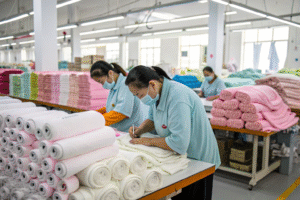
Working conditions define ethical standards. Long hours, unsafe spaces, or unfair wages damage reputations and create legal risk.

How is fair labor enforced in factories?
Use audit standards and runtime monitoring tools. Implement anonymous worker surveys and review shift logs. BSCI, WRAP, and SA8000 provide frameworks. Brands can partner with agencies like QIMA to perform unannounced audits and spot-check working conditions.
Can factories ensure consistent ethics at scale?
Yes, by standardizing policies across lines. Fumao conducts regular internal audits and uses ISO 9001 to update procedures. We also hold staff-training sessions quarterly. These steps help maintain safe and ethical practices as production grows.
How does environmental responsibility contribute to ethics?
Ethical manufacturing includes environmental care. Water, chemicals, and waste are major pollution sources in textile production.

What environmental standards do ethical factories use?
Factories should follow standards like Zero Discharge of Hazardous Chemicals (ZDHC), meet wastewater treatment targets, and follow GOTS organic protocols. Chinese suppliers use periodic lab tests (by SGS) for water and dyestuff compliance.
Is reducing carbon and waste in kidswear production effective?
Yes. Efficient production, digital pattern cutting, and recycling fabric scraps reduce waste. Some factories integrate solar panels and eco-packaging. Buyers value these practices because eco-impact aligns with brand values and can qualify for certifications like “Climate Neutral.”
Conclusion
Ethical children’s wear manufacturing isn’t optional — it’s essential. Certifications, transparency, fair labor, and environmental care transform suppliers into trusted partners.
At Fumao Clothing, we’ve built ethics into every stage — from certified organic fabrics to worker welfare and eco-focused production. Brands who partner with us gain not just products, but reliability, safety, and brand credibility.
Ethical manufacturing is your competitive edge in 2025. Partner with a factory who values it as much as you do.