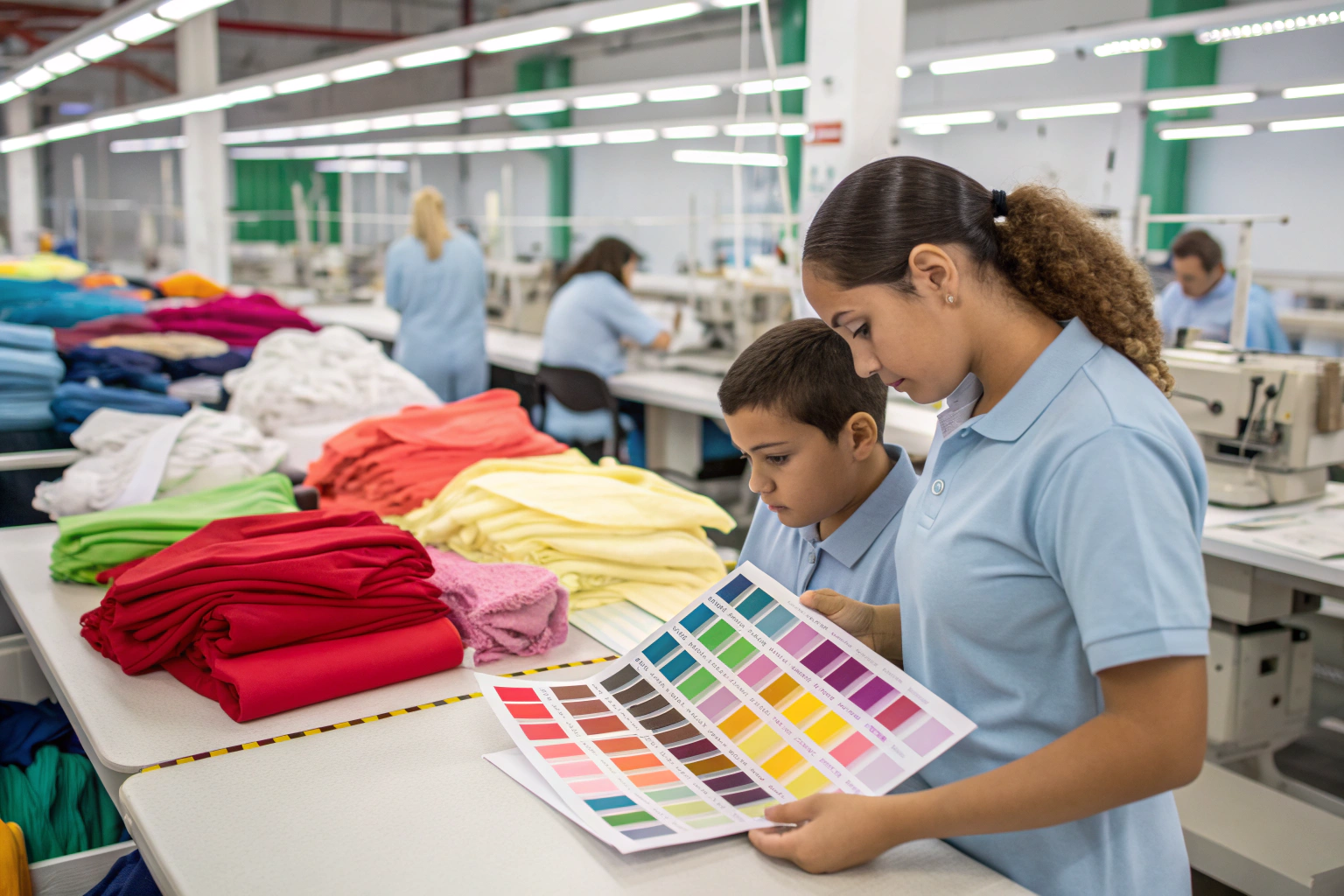
In children’s clothing manufacturing, color consistency can make or break a brand’s reputation. Parents expect the exact shade they see in a catalog or online store to match what they receive. However, in the production chain—from design to fabric sourcing, dyeing, and sewing—color deviations often happen. These mismatches can be subtle but costly, leading to rejected batches, delayed deliveries, and unhappy customers.
The short answer is: to ensure color matching in production, you need standardized color references, controlled lighting during approval, consistent dye formulas, strong communication between teams, and continuous inspections from start to finish.
Our experience at Shanghai Fumao has taught us that proactive measures save time, protect margins, and preserve client trust. Here’s the process we follow.
Use Standardized Color Systems for Accuracy
Consistency starts with speaking the same “color language” across all production partners.
Why is a global standard essential?
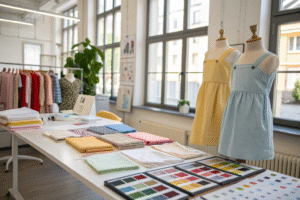
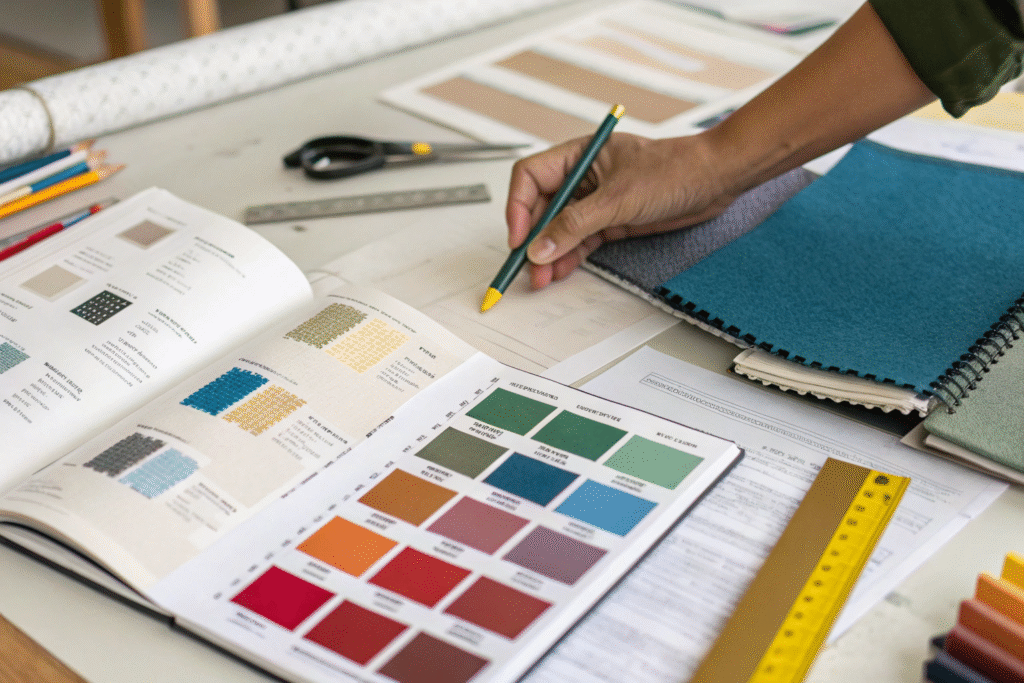
Systems like Pantone or Coloro assign a unique code to each color. This eliminates ambiguity—ensuring that “navy blue” is identical in Guangzhou, Los Angeles, or Milan.
How do you share these references with suppliers?
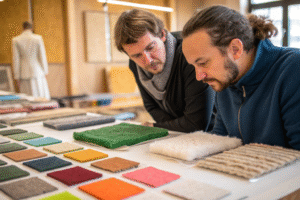
Always provide both the physical swatch and its official code to mills and dye houses. According to Textile World, visual references plus numeric codes reduce errors dramatically.
Control Lighting During Color Approvals
Lighting dramatically affects perceived color. A fabric may appear perfect indoors but different in daylight.
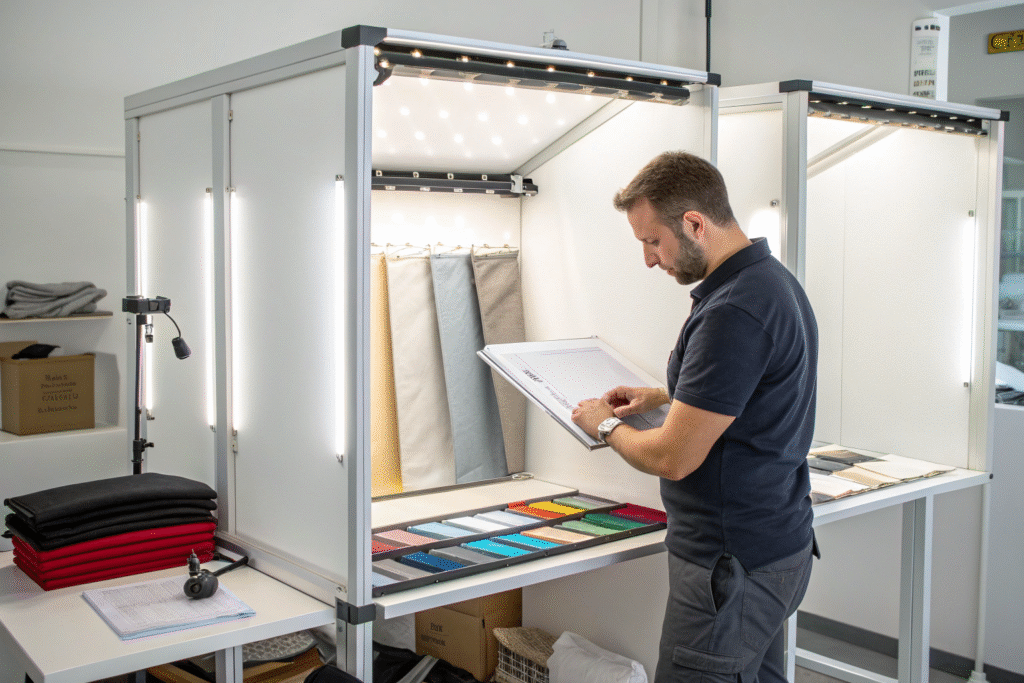
Why does lighting matter so much?
Different light sources cause colors to shift—a phenomenon called metamerism. Using D65 daylight simulation ensures a consistent, industry-standard reference. AATCC recommends this practice for all shade approvals.
How can remote teams align on lighting?
Ask suppliers to use certified light boxes such as those from GTI Graphic Technology and to take comparison photos under the same conditions.
Maintain Dye Recipe Consistency
Even with the right reference color, inconsistent dye recipes can ruin shade accuracy.
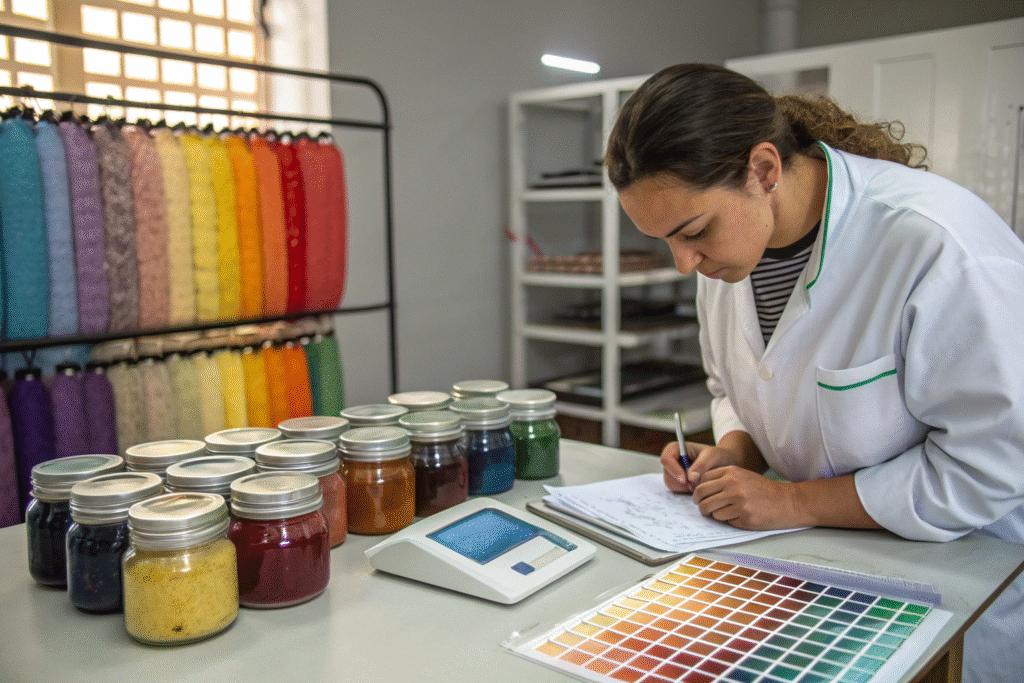
How do you keep shades consistent over time?
Document every detail of the dyeing process—ratios, temperatures, pH, and timing. Fibre2Fashion warns that even a small shift in water quality can alter results.
Why are “lab dips” critical?
Lab dips are small dyed fabric swatches tested before mass production. Textile Learner explains that approving lab dips upfront prevents large-scale rejections.
Strengthen Communication Between Teams
Miscommunication often causes costly mistakes. In color matching, even minor misunderstandings can mean thousands of unsellable garments.

How does vertical manufacturing help here?
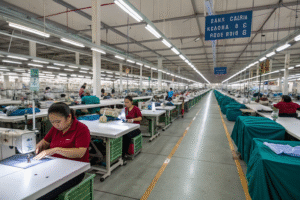
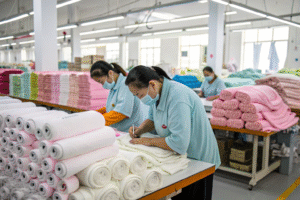
When design, dyeing, and sewing are under one roof, decisions are faster and clearer. Sourcing Journal reports that integrated setups reduce rework by over 20%.
What’s a proven workflow for color approvals?
Hold cross-functional meetings for every approval stage, and record decisions with photos and codes. Just-Style recommends creating shared digital files for full traceability.
Perform In-Line and Final Shade Inspections
Approving a perfect sample isn’t enough—colors must be monitored continuously during production.
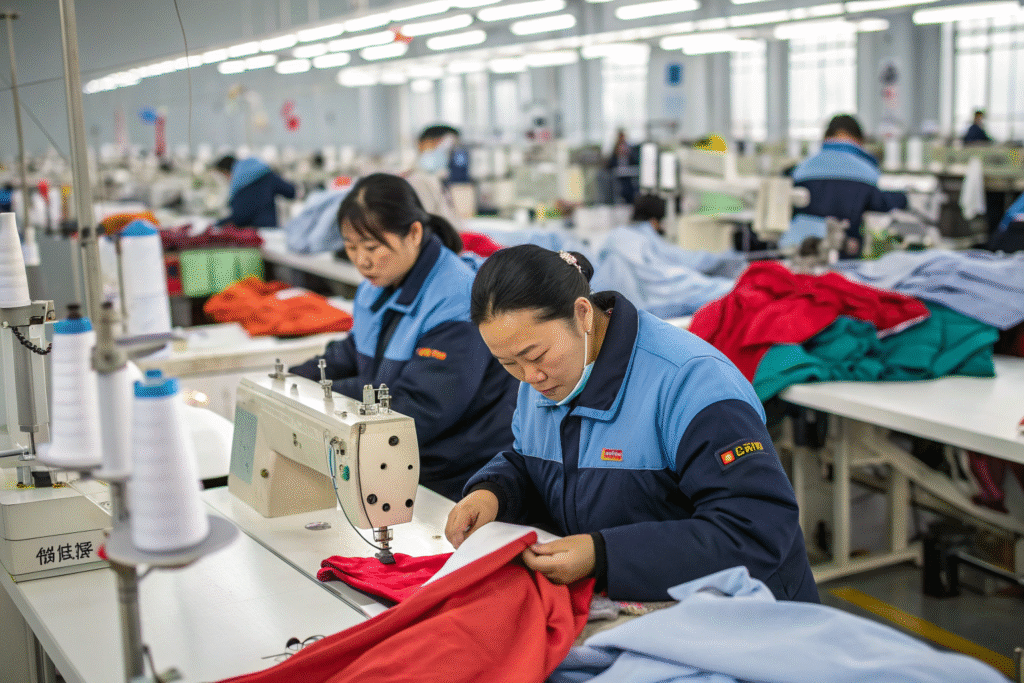
When should inspections happen?
At the start, middle, and end of every production run. Apparel Resources notes that catching problems early allows for quick corrections without delaying shipments.
What tools improve accuracy?
Combine visual checks with devices like spectrophotometers from X-Rite to measure color differences scientifically.
Conclusion
Perfect color matching is the result of planning, process, and precision—not chance. By using standardized references, controlling light conditions, locking in dye formulas, fostering cross-team communication, and performing ongoing inspections, you can achieve consistent, brand-true colors in every production batch.
At Shanghai Fumao, these steps are built into our vertical manufacturing workflow for children’s apparel, ensuring that every garment matches your approved standard exactly. For custom orders or color-sensitive projects, contact our Business Director Elaine at elaine@fumaoclothing.com to discuss your needs.