
Auditing a children’s clothing factory used to require plane tickets, translators, and in-person inspections. But with digital transformation and travel restrictions, remote factory audits are now not only possible—but in many cases, more efficient and consistent.
Remote auditing allows buyers to verify quality, safety, and ethical compliance in children’s garment factories without stepping foot on-site. Using digital tools, third-party services, and factory cooperation, you can reduce risk and ensure standards are met from thousands of miles away.
In this article, we break down the entire process of remote auditing—from pre-screening and live walkthroughs to document verification and follow-up. If you’re sourcing baby or kidswear from countries like China, Vietnam, or India, this guide is your new checklist.
What Are the Key Components of a Remote Audit?
Auditing remotely doesn’t mean skipping steps—it means adapting how those steps are done. A complete factory audit for children’s clothing covers compliance, capability, quality control, safety, and traceability.
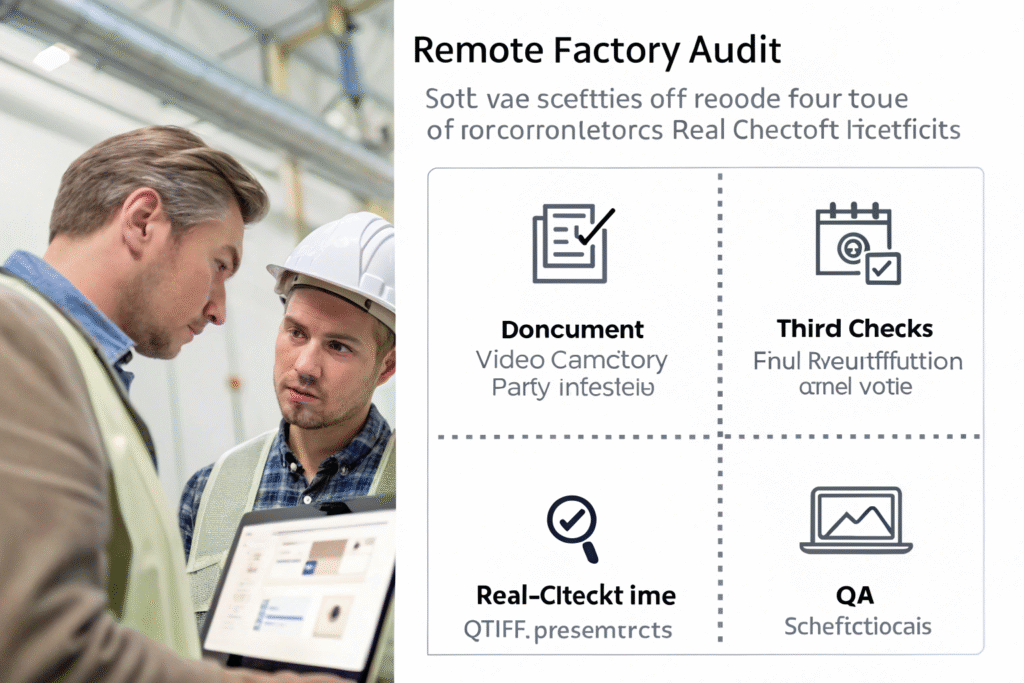
A proper remote audit includes virtual walkthroughs, document reviews, interviews, production footage, and third-party verification. Each element ensures the factory aligns with your product standards and local regulatory laws.
What Must Be Reviewed in a Remote Children’s Apparel Audit?
You should request:
- Live or recorded factory tour
- Sample footage from production lines
- CPSIA & OEKO-TEX® certifications
- Worker health & safety conditions
- Child labor & ethical employment checks
See guidelines from Amfori BSCI and Sedex—two globally recognized ethical audit platforms.
Can You Verify Safety Standards Remotely?
Yes, but only with visual proof and paperwork. Request lab testing reports from certified bodies like SGS, Bureau Veritas, or Intertek. These agencies can also do surprise remote audits upon your request.
How Do You Conduct a Virtual Factory Tour?
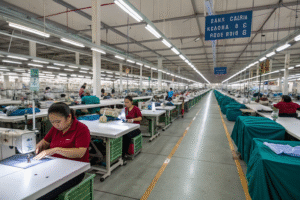
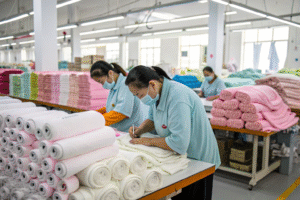
A virtual factory tour is a core element of any remote audit. It provides visibility into actual production conditions and layout. You’re not just checking whether they have machines—you’re observing how organized, clean, and compliant the workflow is.
Use video calls, factory-held smartphones, or third-party site reps to view production areas in real-time. Always guide the tour based on a predefined checklist to ensure consistent and relevant footage.

What Areas Should Be Covered in the Video Tour?
Ask the supplier or third-party auditor to show:
- Cutting rooms and sewing lines
- Packaging stations
- Storage and labeling zones
- Fire exits, sprinklers, first aid
- Bathrooms and canteen facilities
Refer to WRAP’s guidelines for a complete social compliance walkthrough template.
What Devices Are Best for Virtual Audits?
Many factories now use gimbal-mounted smartphones or GoPro cameras with live Zoom/Skype feeds. Drones or 360° cameras are used for wider views. Consider platforms like Inspectorio that offer AI-assisted video auditing with live tagging and cloud storage.
How Can You Verify Documentation and Certifications?
Paperwork matters just as much as physical inspection—especially in children’s clothing. From lead testing reports to ethical compliance, the digital exchange of documents ensures the factory’s claims are verifiable and current.
Request digital scans of factory documents, certificates, inspection reports, and test results—then cross-check with certifying bodies. Be wary of expired or photoshopped files and always verify serial numbers.

What Certifications Should You Ask for?
For children’s clothing, request:
- CPSIA compliance (USA safety law)
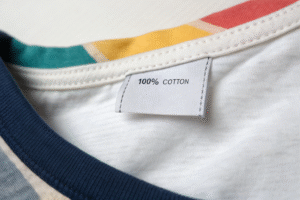
- OEKO-TEX® Standard 100 for non-toxic textiles
- BSCI/SEDEX/WRAP for ethical labor
- GOTS for organic cotton garments
Validate numbers via OEKO-TEX label check or the GOTS certified database.
How Do You Spot Red Flags in Digital Documents?
Be cautious if:
- Dates don’t match order timeline
- Lab names aren’t traceable
- File resolution is poor or watermarked
- Testing appears to be "general" and not batch-specific
You can also hire QIMA to remotely review and verify factory certification documents directly.
How Do You Evaluate Production Capacity and Quality Remotely?
It’s easy for a factory to claim they can produce 50,000 toddler hoodies a month—but what’s their actual track record? And can they maintain consistent quality at scale? This is where digital reporting and third-party quality checks come in.
Assess the factory’s production flow, rejection rates, sampling system, and lead time consistency using factory-submitted and auditor-verified records. Request regular updates and videos of current orders being run.

How Do You Measure True Capacity?
Ask for:
- Daily line output reports (by style)
- Machine count per process (cutting, stitching, QC)
- Line balancing or takt-time metrics
- Photos/videos of current WIP (work-in-progress)
Tools like SupplyShift help brands collect standardized supplier performance data globally.
Can You Monitor Quality Remotely in Real Time?
Yes. Factories can perform AQL (Acceptable Quality Limit) inspections over video or through recorded walkthroughs. You can also require:
- 3rd-party QC reports with photos
- Online defect logbooks
- Sealing sample checks via courier
Use platforms like Veeva Vault QMS for real-time quality workflows.
Conclusion
Remote auditing isn’t just a pandemic-era solution—it’s the new standard for global children’s apparel sourcing. From live video walkthroughs and document verification to real-time quality control and compliance checks, you can confidently manage your supply chain while staying miles away.
At Shanghai Fumao, we offer full transparency during audits—remote or in-person. We provide certifications, facilitate real-time factory video calls, and cooperate with your appointed third-party services to ensure you meet CPSIA, OEKO-TEX, and BSCI standards.
If you’re sourcing children’s clothing and need a supplier who embraces remote auditing with integrity and efficiency, contact our Business Director Elaine at elaine@fumaoclothing.com today. We’ll help you build a trusted and transparent supply partnership from the very first order.