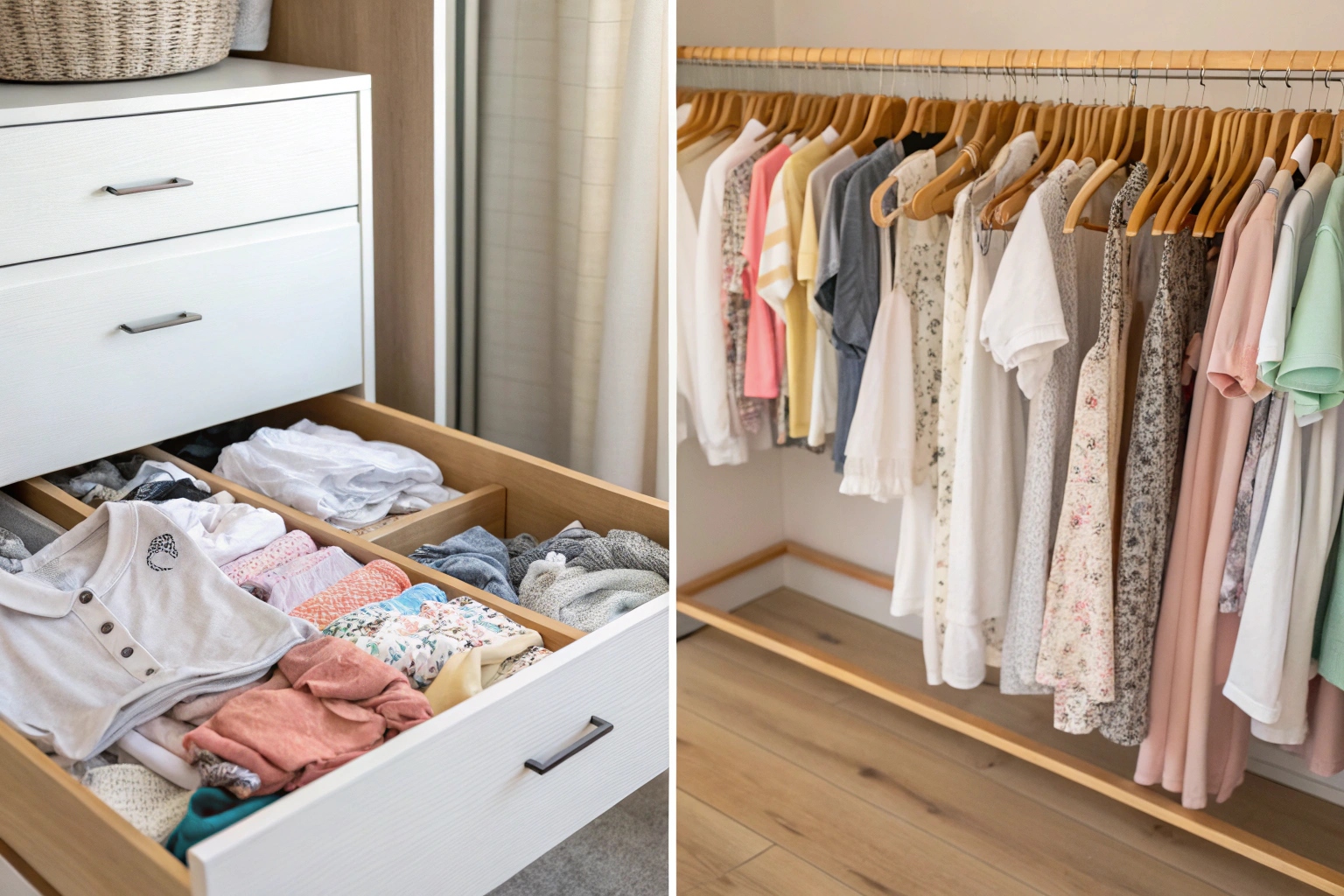
Overflowing drawers, forgotten garments, and impulse shopping have turned fashion into one of the world’s biggest waste problems—especially in kidswear.
Capsule clothing helps fight overconsumption by encouraging intentional purchasing, reducing wardrobe clutter, and promoting a more sustainable, value-driven approach to fashion.
In our work with kidswear brands, we’ve seen how capsule thinking reshapes not just closets—but habits, values, and the way families approach clothing altogether.
The Link Between Capsule Wardrobes and Mindful Buying
Capsule wardrobes don’t just limit quantity—they focus on clarity, utility, and long-term use.
By simplifying choices, capsule wardrobes promote mindful buying habits that help families avoid trend-driven impulse purchases and repetitive spending.

How do capsules help parents buy only what their kids actually need?
Traditional shopping often happens without a plan—especially for children. Sales, social media, or last-minute events drive quick buys. Capsules flip that model. Instead of reacting to needs, parents prepare with purpose.
We help brands design capsule planners—checklists that map out 12–15 mix-and-match pieces by season and activity. This system empowers families to shop once and cover months, not weeks. The results? Higher garment usage, fewer regrets, and fewer unused pieces buried in drawers.
At Fumao Clothing, our clients who switch to capsule merchandising report 30–45% fewer returns—because every purchase has a defined role.
Why is planning a capsule more cost-effective than seasonal shopping?
Capsule planning cuts redundancy. When one jacket works with every outfit, you don’t need five. When every top pairs with every bottom, outfit stress disappears.
Here’s a cost comparison:
| Shopping Style | Avg. Pieces / Season | Avg. Spend | % Worn Frequently |
|---|---|---|---|
| Impulse Buying | 35–50 | $800+ | 25% |
| Capsule Wardrobe | 12–15 | $300–400 | 90% |
With capsule systems, parents buy better—not more. They invest in durable fabrics, flexible sizing, and timeless designs. And they save—financially and emotionally.
How Fewer Pieces Lead to Less Waste in Kidswear
Children grow fast—and overconsumption turns into mountains of textile waste.
Capsules reduce kidswear waste by limiting excessive buying, increasing reuse potential, and supporting hand-me-down culture with longer-lasting, mixable garments.

What makes capsule wardrobes more sustainable than fast fashion approaches?
Fast fashion is built on volume. But most children wear the same few favorites over and over. Capsule wardrobes reflect real behavior. They reduce the purchase of one-off, seldom-worn garments and shift the focus to repeat-friendly styles.
In our production line, we build kidswear capsules using:
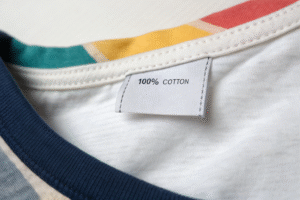
- Pre-shrunk, wash-durable cottons
- Adjustable waistbands for size flexibility
- High-recovery seams that last through hand-me-downs
One of our clients launched a 14-piece toddler capsule that served as a full wardrobe for nearly a year. The brand reported a 60% drop in size-related returns and strong resale engagement from customers.
Less input. More output. Lower environmental cost.
How do capsule garments improve their chances of being reused or passed down?
Capsules are typically:
- Gender-neutral in design
- Neutral in color
- Constructed with growth in mind
- Made from machine-washable fabrics
That makes them ideal for donation, resale, or reuse within families. Parents are more likely to store and pass on a versatile, easy-care item than a trend-specific outfit with a cartoon character.
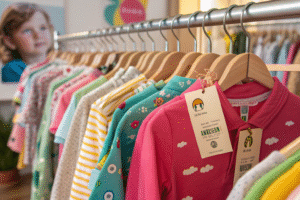
At Fumao Clothing, we help brands include "Pass It On" tags—durable labels with space to write the next child’s name. It’s a small touch that tells parents this item has a second life ahead.
Capsules don’t just reduce waste at purchase—they keep garments in motion.
Teaching Kids Conscious Fashion Through Capsules
What kids wear becomes part of how they learn to value things.
Capsule wardrobes teach children to value quality over quantity, build independence in dressing, and understand clothing as a reusable, respectful resource.
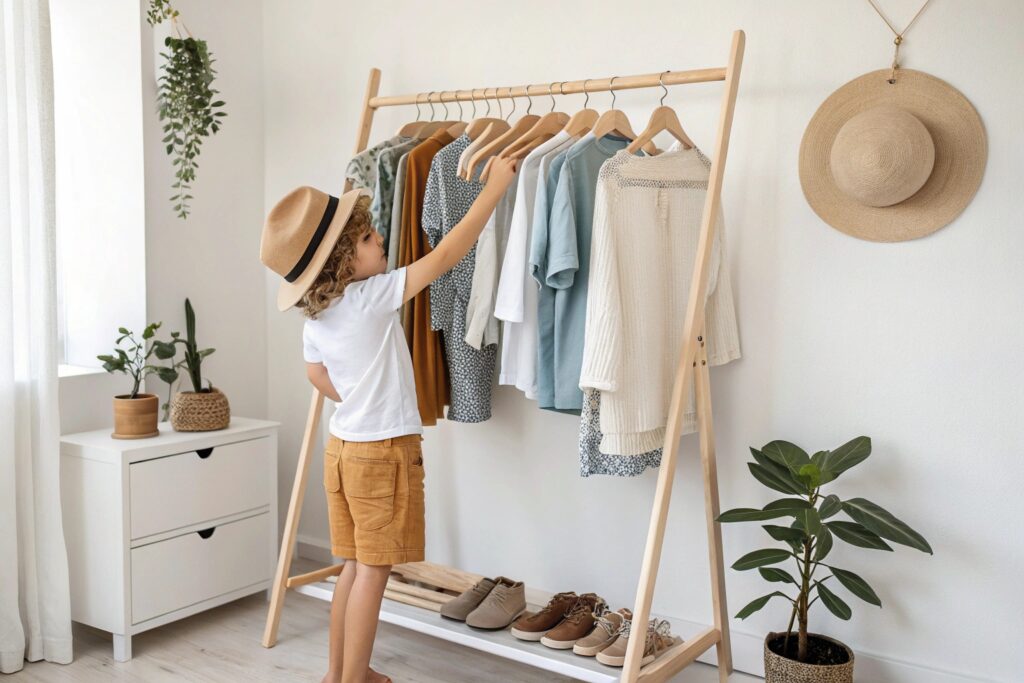
How can capsule dressing promote healthier fashion habits in children?
Children are observant. When they see a tidy wardrobe with repeat favorites, they learn that repetition is okay—that clothing is about comfort, function, and confidence, not novelty.
We’ve worked with Montessori-aligned brands to create self-dressing capsule sets. Each piece is easy to put on, color-coordinated, and forgiving in size. Parents report fewer meltdowns, quicker mornings, and more pride in kids choosing their own outfits.
Capsules are also great teaching tools. Brands can include story cards, printables, or mini “wardrobe logs” that help kids track what they wear and why. One client even offers a "Care for My Clothes" activity page to teach folding and washing.
What values do kids absorb by using the same garments regularly?
Using fewer, better items teaches:
- Gratitude: Clothing isn’t disposable
- Responsibility: Clothes are meant to be cared for
- Confidence: Outfits don’t need to change daily to feel good
- Simplicity: Less choice = less stress
Capsules offer predictability, rhythm, and freedom. And when kids outgrow a piece, parents can say, “Let’s give this to someone else”—reinforcing that every garment has a journey, not just a moment.
Fashion, for kids, becomes a relationship—not a throwaway trend.
Long-Term Savings from Reducing Fast Fashion Buys
Capsules don’t just save space—they save time, money, and decision fatigue.
By reducing dependency on fast fashion, capsule wardrobes save families hundreds of dollars per year while increasing garment lifespan and lowering return rates.

How does capsule dressing reduce hidden costs like returns, replacements, and regret buys?
Here’s what fast fashion costs parents—beyond the price tag:
- Returns for poor fit or function
- Replacements for worn-out items after a few washes
- Last-minute purchases before events
- Emotional fatigue from constant clutter
Capsules cut all of that.
One of our brands introduced seasonal capsule bundles (12 pieces total) for ages 2–6. Customers reported spending $300 per season vs. $600+ before. Return rates dropped below 8%, and repeat orders soared.
With capsules, parents stop chasing sales and start choosing quality. The emotional relief is just as real as the financial one.
Why do capsule brands see higher retention and lower churn?
Capsules create trust. If every piece fits, holds up, and works with the rest—why go elsewhere?
We help capsule-focused brands design loyalty pathways: restock-friendly systems, add-on layering packs, and size-up capsule transitions. This makes the customer’s journey continuous.
Here’s what one of our clients offered:
| Capsule Stage | Number of Pieces | Add-On Options | Result |
|---|---|---|---|
| Infant | 10 | Bibs, booties | Avg. reorder in 4 months |
| Toddler | 12 | Jackets, hats | 65% repeat customers |
| Preschool | 15 | Holiday layer pack | 42% upsell rate |
Capsule systems create brand ecosystems—where families grow, return, and stay.
Conclusion
Capsule clothing fights overconsumption by making fewer garments do more. With the right designs, materials, and values, capsules create clarity for parents, comfort for kids, and a cleaner future for fashion.