
In the fast-paced world of global apparel sourcing, the way buyers evaluate suppliers is changing. With international travel often expensive and time-consuming, virtual factory tours have become a powerful tool for bridging distances. But are they truly reliable, and can you trust them to make high-value sourcing decisions?
As a children’s wear manufacturer working with global brands, I’ve seen both the strengths and weaknesses of virtual factory tours. When used correctly, they save time, money, and effort. When used carelessly, they can lead to costly mistakes. This article will explore the reality behind virtual tours and show you how to make them work for your business.
Benefits of Virtual Factory Tours for Clothing Buyers
Virtual tours bring unique advantages to the apparel sourcing process. They can be the perfect first step before an in-person visit, helping you narrow down your supplier list.
When done live and transparently, they can give you an accurate understanding of a manufacturer’s operations, without the cost and time of overseas travel.

How do virtual tours speed up supplier vetting?
One of the biggest advantages is speed. You can conduct multiple tours in a single day, visiting suppliers across different countries without leaving your office. This is especially useful when sourcing from regions like China, Vietnam, and India. By combining tours with document verification from third-party agencies like SGS or Bureau Veritas, you can quickly filter out unqualified suppliers. It also allows you to focus your travel budget on visiting only the most promising partners.
Are virtual tours effective for urgent orders?
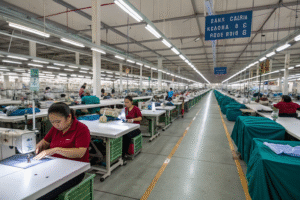
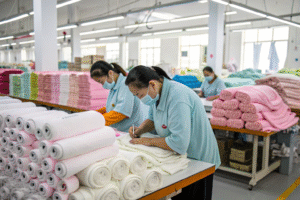
Yes. For urgent projects, such as quick-turn baby clothing replenishment, virtual tours allow you to verify production capacity instantly. Seeing sewing lines, cutting rooms, and packaging areas in real time helps you judge if the supplier can meet your deadlines. Platforms like Zoom and Microsoft Teams are often used for this, offering live interaction with factory managers.
Common Risks and How to Identify Them
While virtual tours are convenient, they are not without risks. Some suppliers may try to present a better image than reality.
Understanding the most common issues will help you prepare better questions and verification steps.

Can virtual tours be staged or misleading?
Absolutely. Some factories prepare for a tour by cleaning, rearranging machines, or showing only certain areas. In extreme cases, suppliers may rent a more modern facility just for filming. To reduce this risk, insist on unscripted live tours and request to see specific areas, such as the raw material warehouse or QC department. You can also cross-check footage with previous inspection reports from Intertek or QIMA.
How to detect if a tour is pre-recorded?
Pre-recorded footage can hide real-time conditions. To test this, ask the guide to show something spontaneous, like today’s production schedule or a current newspaper. You can also request to see live timestamps on their phone during the walkthrough. This makes it much harder to fake an environment, ensuring what you see reflects current operations.
Best Practices for Reliable Virtual Tours
When you approach virtual factory tours strategically, they can be a reliable part of your sourcing process.
The key is to treat them as part of a verification chain, not a standalone guarantee.

What questions should you ask during a virtual tour?
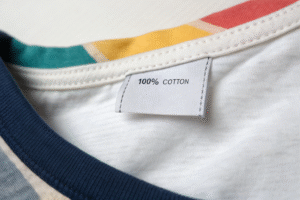
Prepare a list before the session. Include questions about staffing, production capacity, safety certifications, and compliance with OEKO-TEX® standards. Ask to see inspection stations, packing lines, and storage areas. By referencing CPSC regulations during the conversation, you signal that you value compliance, which can influence how seriously the supplier treats your requirements.
How can you combine virtual tours with third-party audits?
A virtual tour can be the first step, followed by an in-person audit by a third-party inspection company. Firms like TÜV SÜD or AsiaInspection can confirm details like machine condition, labor safety practices, and quality control systems. Combining both gives you speed plus reliability.
Integrating Virtual Tours into Long-Term Sourcing Strategy
Virtual tours should be part of a bigger strategy, not a replacement for all physical visits.
When used consistently, they can strengthen supplier relationships and help you maintain production quality.

Should you still visit the factory in person?
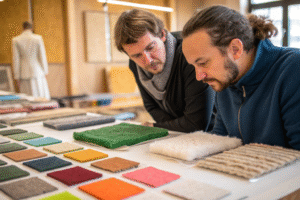
Yes. Virtual tours are great for initial screening and routine follow-ups, but nothing replaces seeing operations firsthand. In-person visits allow you to assess fabric quality, stitching accuracy, and workplace environment. If your orders are large or high-value, a physical inspection before finalizing contracts is essential.
How to schedule virtual tours for maximum efficiency?
Coordinate them before trade shows or planned travel. This way, you can meet the most promising suppliers in person after the virtual screening. Use a shared calendar tool like Google Calendar to align with time zones and avoid delays.
Conclusion
Virtual factory tours can be reliable when approached with the right mindset and verification process. They save time, reduce costs, and help you quickly filter suppliers. However, they should never fully replace physical inspections for high-value orders.
At Shanghai Fumao Clothing, we offer live, unscripted virtual factory tours with the option to follow up with certified third-party audits. If you’re ready to see our production lines in real time and verify our compliance credentials, contact our Business Director Elaine at elaine@fumaoclothing.com.