When sourcing children’s apparel from countries like China, Vietnam, or India, most buyers focus only on the price per unit. But as many learn the hard way, that’s just the surface. Delayed deliveries, poor QC, fabric wastage, and extra compliance fees can add up quickly and destroy your margins.
Hidden costs in children’s manufacturing include compliance testing, fabric overages, poor communication delays, packaging upgrades, and rework due to failed inspections. These often go unnoticed during initial quotes but affect real profits.
As a manufacturer working with mid-to-high-end U.S. brands, I’ve helped buyers navigate these hidden costs to ensure smooth production and transparent pricing. In this article, I’ll break down the four key areas where hidden costs often occur and how to avoid them.
What Are the Most Overlooked Pre-Production Costs?
Most buyers expect to pay for the garment itself—but overlook everything that happens before production begins. These early-stage steps—essential for children’s clothing—come with their own expenses.
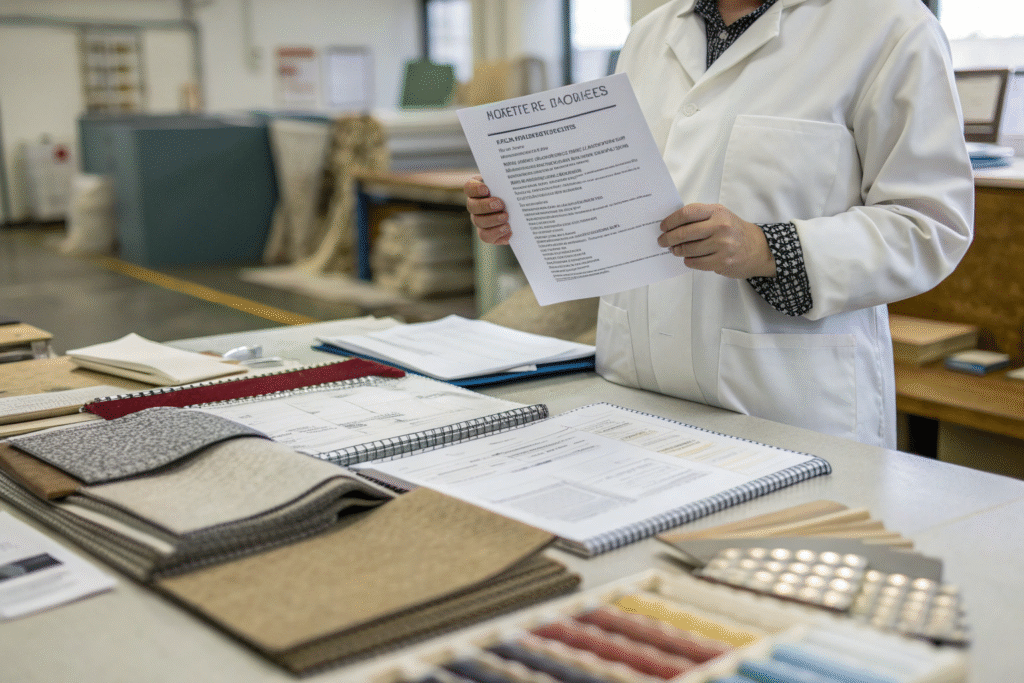
Pre-production costs often include tech pack creation, fabric sourcing delays, sampling fees, lab testing for CPSIA compliance, and factory certification renewals.
Are Sampling and Testing Actually Billable?
Yes—especially for babywear. In many cases, a factory may quote a low sampling fee or even offer “free” development to secure the deal. But they recover those costs later in the production margin or through extra service fees. Lab tests such as CPSIA lead and phthalate testing cost $80–$150 per style.
Some buyers assume that their supplier will absorb these costs, but in children’s apparel—where safety rules are strict—you must budget for compliance testing. Most of our U.S. clients use SGS or Intertek for pre-production testing.
Do Tech Packs and Fit Revisions Add Up?
Absolutely. Each fit sample revision can cost $50–$100, and if you’re developing 10 SKUs, that adds up fast. Plus, when a buyer doesn’t provide a complete tech pack, the factory often must invest additional design hours to create it.
We help clients build out tech packs properly upfront to avoid 3–4 rounds of revisions, which is a common hidden cost trap among first-time children’s apparel brands.
How Do Quality Control Failures Create Extra Costs?
Quality issues don’t just damage your reputation—they can be expensive. Rejections, reworks, and replacements add both direct and indirect costs, especially if they occur late in the production cycle or after shipping.
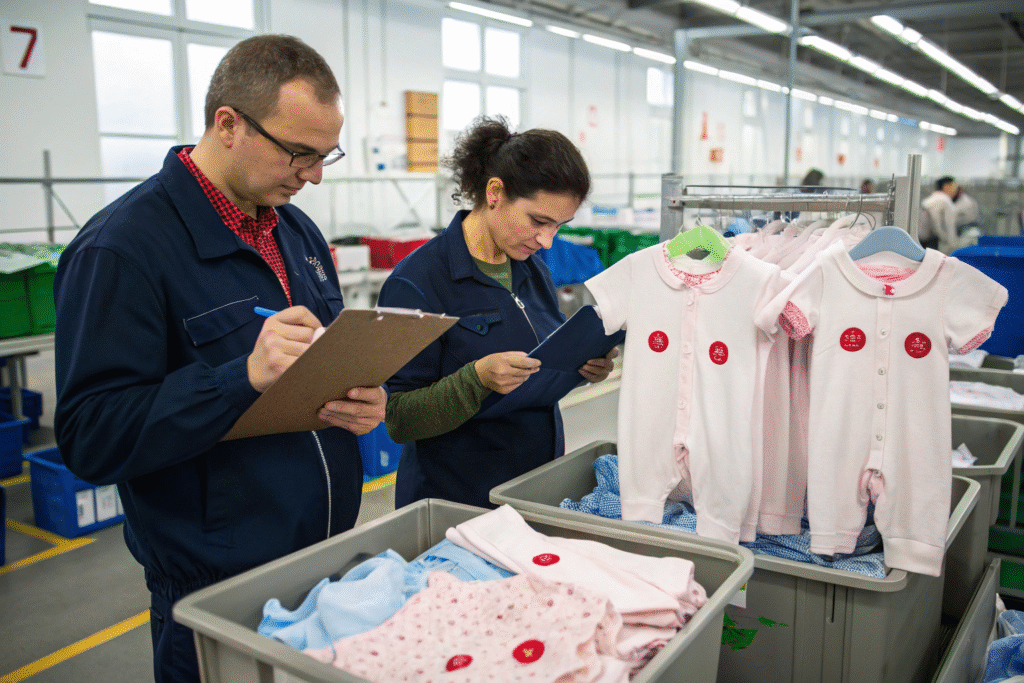
Quality control failures lead to re-inspection fees, shipment delays, and in some cases, total loss of the inventory.
How Does One Failed Inspection Affect Your Timeline?
A lot. If your third-party inspection finds more than 10% defects (common in factories with weak quality systems), your order may require full rework. This means:
- Extra labor
- New trims/fabric
- Re-inspection fees
- Port storage or demurrage charges
We’ve seen clients lose $8,000+ on just one failed inspection because the supplier didn’t budget time or cost for corrections. That’s why we maintain an inline inspection process instead of post-production-only QC.
Can Small Defects Create Big Costs in Kidswear?
Yes. Children’s wear must meet stricter safety and performance standards than adult wear. Even minor issues—like loose snaps or exposed threads—can result in retailer rejection.
A buyer we worked with once ignored suggested fabric upgrades to save $0.08/unit. Their snaps later failed strength tests, and 12,000 pieces were rejected at the warehouse. The replacement cost wiped out their entire profit on that order.
For this reason, we always use YKK or certified trims to ensure durability and safety, especially for baby garments.
How Do Logistics and Delivery Choices Affect Hidden Costs?
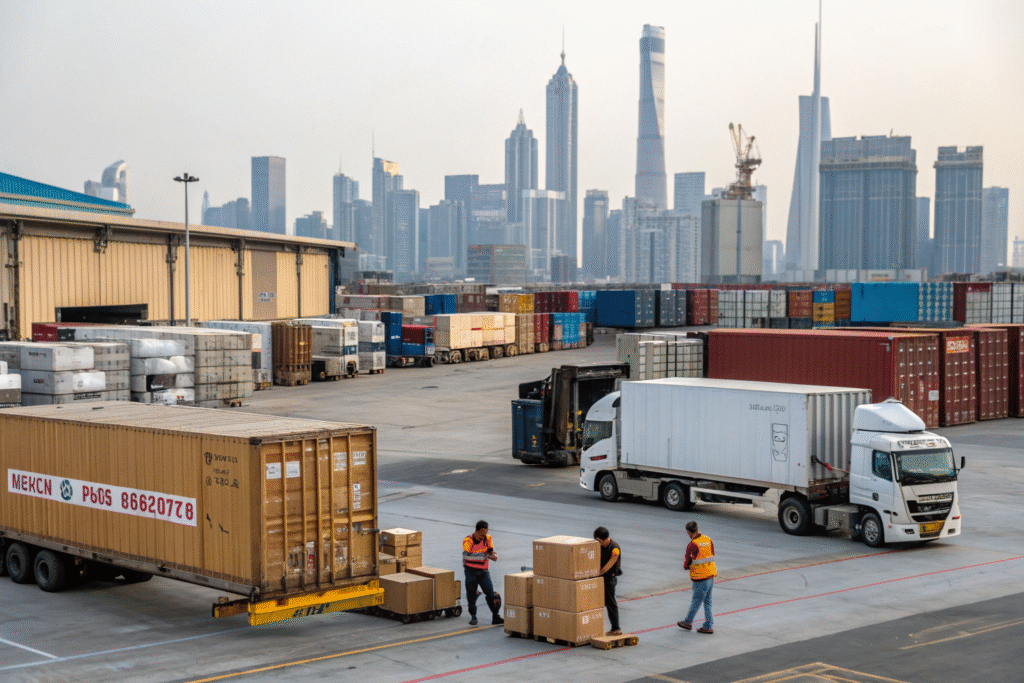
Freight and delivery issues can cause surprising hidden costs if not planned well. Most buyers budget for ocean freight, but when production gets delayed, they’re forced to ship by air—erasing their margin completely.
Unexpected shipping costs, port demurrage, customs holds, and DDP surcharges are common hidden expenses in international kidswear trade.
Why Do Small Delays Lead to Expensive Freight?
In seasonal kidswear, timing is everything. A delay of even one week can push your shipment into “air freight territory.” Many of our U.S. clients plan for ocean shipping at $0.40/unit, but when delayed, air freight rises to $2–$4 per unit.
One client lost their fall retail window because the factory missed a material deadline. To salvage retail placement, they spent $11,000 extra on air freight—eliminating all profit.
To help avoid this, we offer DDP shipping with proactive timeline buffers and daily updates so clients don’t get hit with surprise freight bills.
Can Customs and Tariffs Create Hidden Expenses?
Yes. For U.S. imports, even small classification errors or missing paperwork can lead to CBP penalties or detentions under UFLPA. Some buyers also forget that DDP terms mean the supplier must cover import taxes—unless otherwise specified.
We always clarify which Incoterm we’re using—FOB, CIF, or DDP—to avoid ambiguity. For children’s wear, we suggest DDP to eliminate buyer-side customs risks.
How Do Communication Gaps Lead to Financial Waste?
Poor communication is an invisible yet costly problem in children’s clothing manufacturing. Misunderstandings around color, size grading, or material specs often result in defective goods—or unnecessary remakes.
Lack of precise communication can result in duplicate sampling, style mismatches, or even full production runs being rejected by the buyer.

How Can Poor Communication Increase Sampling Costs?
When factory staff misunderstand your design intentions, they may produce samples that don’t reflect your market vision. This means more back-and-forth and longer timelines—especially when you’re managing multiple SKUs.
For one U.S. brand we worked with, misaligned sample color palettes caused three rounds of delays. Each resample cost $80–$120 plus two weeks. These costs could have been avoided with better tech pack visuals and bilingual factory support.
We address this issue by offering a dedicated English-speaking merchandiser and sample pre-approval system before full run.
How Do Miscommunications Impact Large Orders?
In mass production, small misunderstandings multiply. A small typo in fabric width or neckline measurement can lead to thousands of unusable garments.
Once, a buyer requested “peach beige,” but the factory interpreted it as “peach pink.” The wrong fabric was ordered in bulk and cutting began before sample sign-off. This mistake cost over $6,500 in remakes and time.
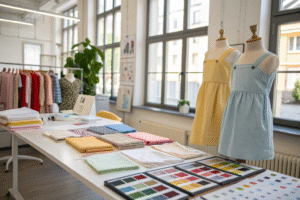
Using visual tools like Pantone TCX and 3D sample confirmation can help prevent these misalignments.
Conclusion
Hidden costs in children’s clothing manufacturing are everywhere—especially if you only focus on the unit price. From lab testing and rework fees to freight emergencies and sample miscommunications, they can silently eat into your margins.
At Shanghai Fumao, we prioritize transparent quoting, proactive timelines, and clear communication to eliminate these costly surprises. If you’re planning your next kidswear line, email our Business Director Elaine at elaine@fumaoclothing.com. Let’s build a smooth, cost-efficient, and scalable production journey together.