Designing a baby clothing line that sells out quickly isn’t about luck—it’s about strategy. In the competitive children’s fashion market, especially in the U.S. and Europe, brands must balance function, safety, trends, and emotional appeal. Failing to consider these factors leads to unsellable inventory and missed seasonal windows.
To create bestselling baby clothing lines, you need trend research, practical designs, certified fabrics, and production partners who understand global compliance and comfort standards.
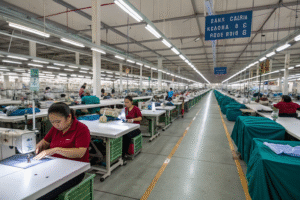
As a factory owner with decades of experience in OEM babywear production for Western markets, I’ve helped dozens of American brand owners like Ron go from idea to top-selling SKUs. This article shares the design secrets behind bestsellers, with a step-by-step look at what truly works in the baby clothing category.
What Fabrics Are Best for Babywear Success?
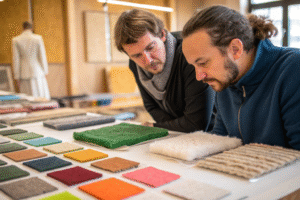
Fabric choice can make or break a baby clothing line. Unlike adult wear, parents prioritize softness, breathability, and safety above everything else. That means any fabric you choose must be gentle on sensitive skin and free from harmful chemicals.
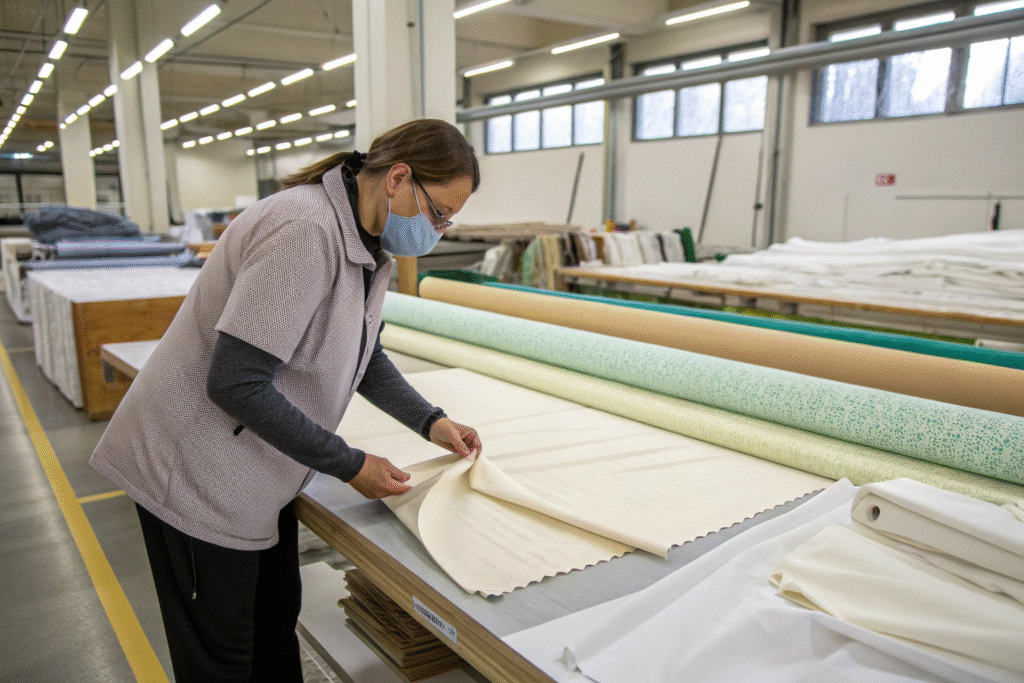
Top-selling babywear uses OEKO-TEX® or GOTS-certified fabrics like organic cotton, bamboo blends, and soft knits. These materials are breathable, hypoallergenic, and washer-friendly.
Why Do Certifications Matter in Fabric Selection?
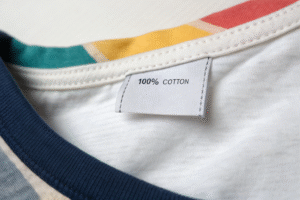
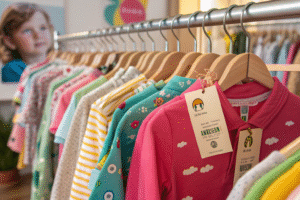
Many U.S. retailers won’t stock baby clothes without third-party tested materials. Certifications like OEKO-TEX Standard 100 and GOTS signal that your items are free from toxic dyes, formaldehyde, and heavy metals. Our clients often request we include these labels in hangtags as a marketing tool.
Even for wholesale orders, factories like ours provide documentation during sampling to show fiber content, lab test results, and supplier compliance. Brands that skip this step often struggle to pass customs or lose buyer trust after launch.
Which Fabric Types Sell Best for Each Season?
Here’s what works well for babywear across the year:
| Season | Best Fabric Choices | Notes |
|---|---|---|
| Spring | Cotton Jersey, Rib Knit | Lightweight and breathable |
| Summer | Bamboo Rayon, Muslin | Ultra-light, great moisture-wick |
| Fall | Cotton Fleece, French Terry | Soft inside, cozy outside |
| Winter | Brushed Cotton, Quilted Knit | Warm but still gentle on skin |
These are the most reordered fabric types by our U.S. clients—based on comfort, style longevity, and customer satisfaction.
What Are Must-Have Features in Baby Clothes Design?
Design is more than just looks—it’s function. A parent buying for a newborn or toddler is not looking for complexity. They want clothing that makes daily changes easier, reduces fuss, and holds up in laundry.
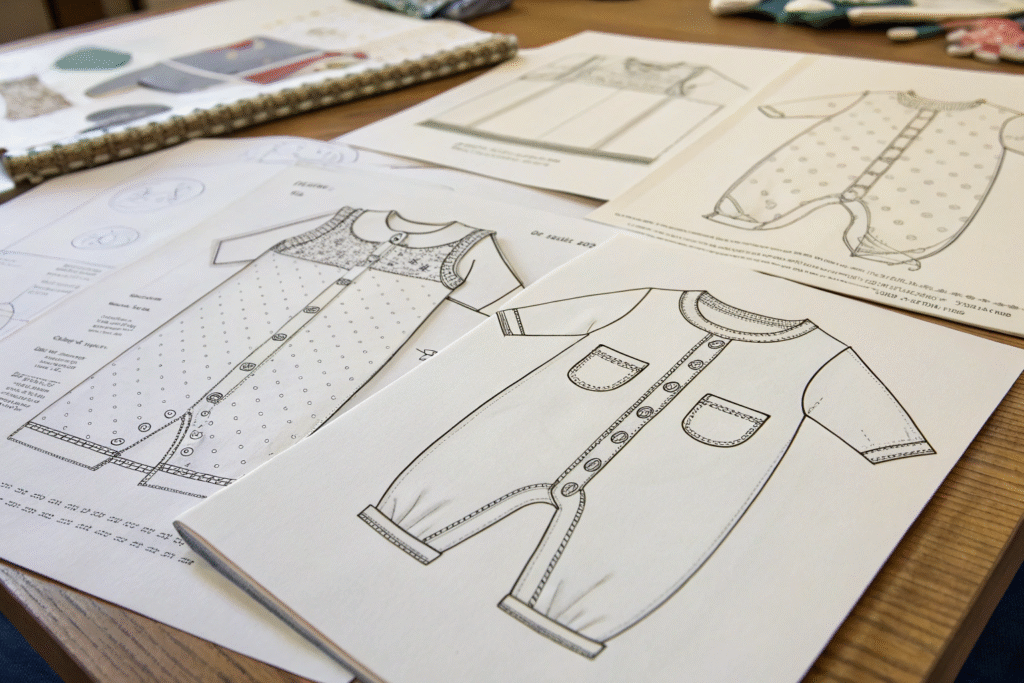
Best-selling babywear includes envelope necks, nickel-free snaps, elastic waistbands, mitten cuffs, and wide-leg openings. Practicality = purchase.
Which Functional Features Boost Sales?
From our experience, these five design elements drive repeat orders:
- Snaps instead of buttons – faster diaper changes
- Envelope shoulders – easy dressing over big baby heads
- Built-in mittens – prevent accidental scratching
- Tagless labels – no irritation or complaints
- Flatlock seams – eliminate chafing
Our American client, a private label startup, doubled their sales after replacing standard onesies with double zipper footies with YKK zippers. The change came from analyzing negative Amazon reviews across competitors.
What Styling Details Appeal to Parents Emotionally?
While function matters, don’t overlook aesthetics. Parents—especially moms—often gift or photograph their babywear choices. Small additions like:
- Neutral, muted tones for unisex appeal
- Animal ears on hoods for cuteness
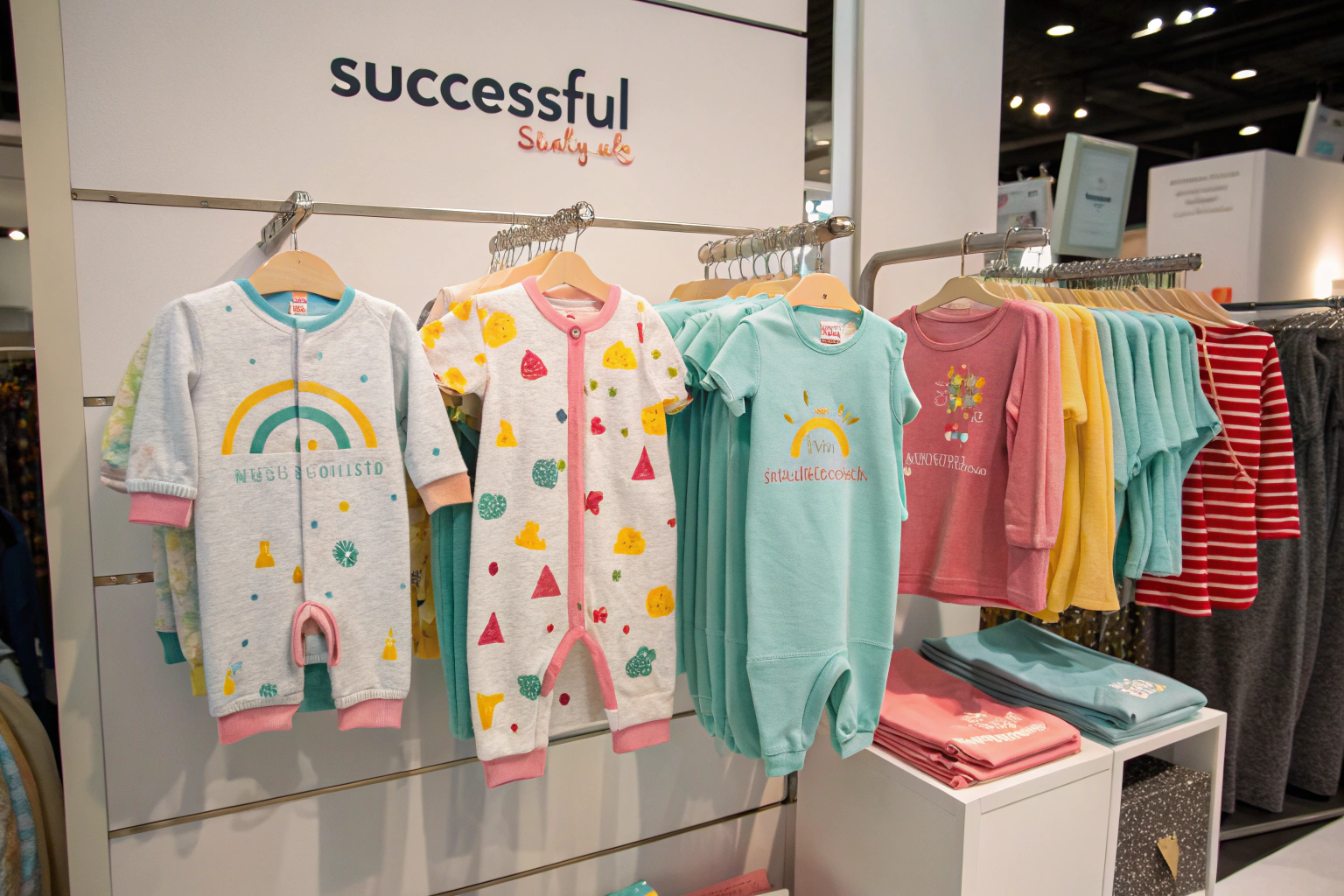
- Embroidery over prints for boutique-style value
These tweaks often increase perceived value without significant cost change. In our Fumao sampling room, 3 out of 5 bestselling styles involved tone-on-tone embroidery, not flashy colors.
How Should You Structure a Winning Babywear Collection?
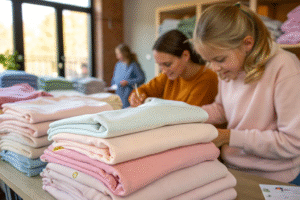
Even a great design fails if it lacks a complete story. Babywear brands that succeed don’t just launch random pieces—they build collections that align with color palettes, themes, and outfit flexibility.
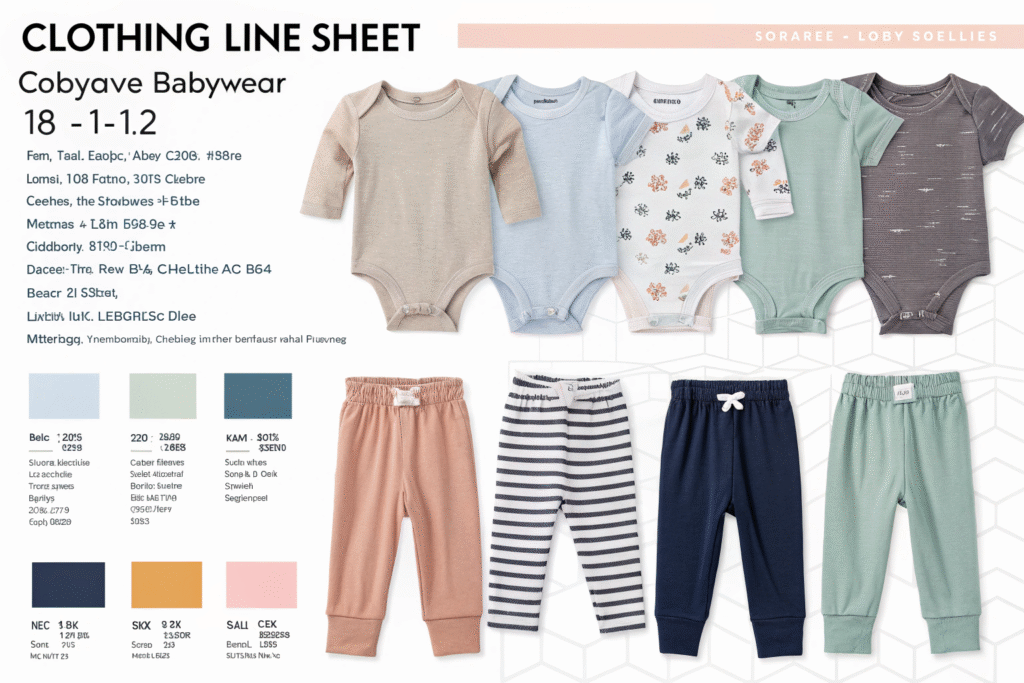
A bestselling collection usually includes coordinated bodysuits, pants, outerwear, and accessories that can mix-and-match across SKUs.
How Many Styles Should Be in a Seasonal Baby Line?
From our manufacturing experience, this works best:
- 3 x Bodysuit Variants
- 2 x Romper/One-Piece Styles
- 2 x Bottoms (Pants, Leggings)
- 2 x Seasonal Outerwear (Sweatshirt, Jacket)
- 2 x Accessories (Hat, Bib, Socks)
That totals 11 styles—perfect for a pre-pack or launch drop. Many of our U.S. buyers also do 2–3 colorways per style, which allows over 30 total SKUs but manageable inventory planning.
Should Babywear Be Gendered or Unisex?
Trends are shifting. Gender-neutral babywear is rising in search volume. According to Google Trends, searches for "unisex baby clothes" have grown 67% since 2020.
We now design full neutral-toned collections for boutique brands—featuring clay, sage, oatmeal, and ivory. These styles work well for gift bundles and dropship e-commerce, especially around baby showers.
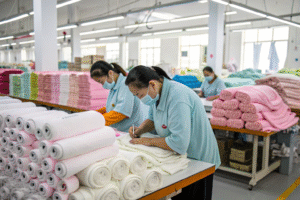
How to Ensure Your Designs Are Ready for Mass Production?
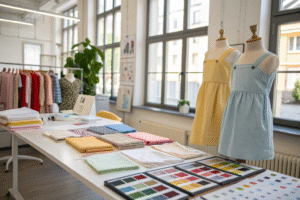
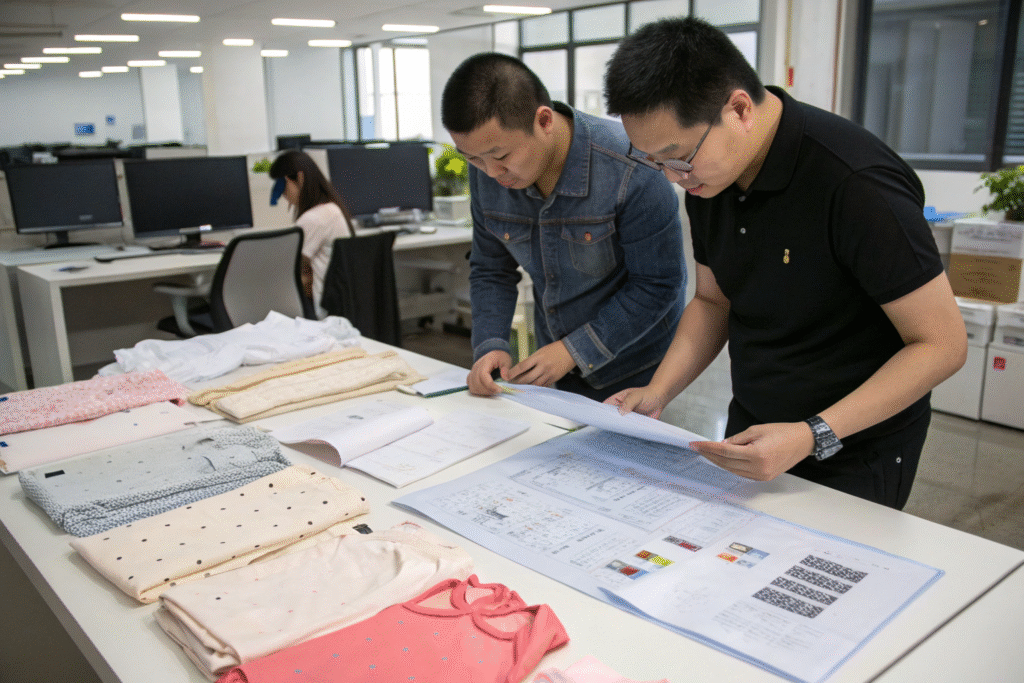
Even the best design sketch means nothing if it can’t be produced consistently. That’s why technical clarity is essential. For every babywear style, you need a tech pack with precise measurements, material specs, and construction notes.
Working with a factory that helps optimize your designs for manufacturability increases your chances of a best-seller.
What Should Be Included in a Babywear Tech Pack?
A proper tech pack must include:
- Flat sketches (front/back views)
- Bill of Materials (BOM)
- Measurements for each size (0-3m to 24m)
- Stitching and construction instructions
- Fabric and accessory specifications
- Label placement and packaging guide
If you’re unfamiliar with tech packs, factories like ours can co-develop them. We often help clients who come in with only a mood board or a Pinterest reference.
How Do You Test a Babywear Design Before Launch?
We recommend:
- Sampling in multiple sizes
- Wash testing at least 5 cycles
- Fit testing on baby models or mannequins
- Checking shrinkage % and colorfastness
- Getting CPSIA lab testing before mass production
We often work with Bureau Veritas or SGS to complete third-party tests, which are required for U.S. babywear distribution.
Conclusion
Designing a bestselling baby clothing line takes more than creativity—it requires deep market understanding, material integrity, thoughtful functionality, and compliant execution. From choosing certified organic cotton to building a cohesive, gender-neutral line sheet, the details define your brand’s long-term success.
If you’re ready to build or upgrade your babywear line, partner with Shanghai Fumao. We specialize in OEM baby and toddler clothing, offering full design-to-delivery support with certified fabrics, tight QC, and U.S.-market ready specs. Contact our Business Director Elaine at elaine@fumaoclothing.com to bring your bestsellers to life.