
When sourcing apparel internationally—especially from countries like China, Vietnam, or Bangladesh—payment terms are more than just numbers. They’re about risk, trust, cash flow, and negotiation power. Whether you’re a first-time buyer or scaling a wholesale operation, choosing the right payment terms can protect your margins and relationships.
The best payment terms for apparel orders depend on your order volume, relationship with the supplier, risk appetite, and shipping arrangements. Common terms include 30/70 T/T, LC at sight, 100% advance, or D/P.
As an experienced clothing factory owner in China, I’ve worked with clients of all sizes—boutique brands, distributors, and retailers—each with different financial needs. In this article, I’ll break down the pros, cons, and strategic uses of different apparel payment terms to help you make smarter sourcing decisions.
What Are the Most Common Payment Terms in Apparel Sourcing?
Payment terms define when and how the buyer pays the supplier. In global apparel trade, four major types dominate: T/T, L/C, D/P, and Open Account.
Most clothing orders follow a 30% deposit and 70% balance upon shipment (T/T), though larger brands may negotiate 60-90 day open accounts.

What Is T/T (Telegraphic Transfer) and When to Use It?
T/T is the most widely used payment term in garment manufacturing. The buyer pays:
- 30% deposit to begin production
- 70% balance after inspection and before shipping or upon receiving BL (Bill of Lading)
T/T is preferred for:
- Small to mid-size orders
- Repeat clients
- Suppliers with limited financing
You can learn more from Export.gov’s payment guide or Alibaba Payment Methods.
When Is an L/C (Letter of Credit) a Better Option?
L/C at sight is safer for buyers placing large orders ($50K+), especially with new or distant suppliers. It guarantees payment only after the supplier submits compliant shipping documents to the bank.
L/Cs are governed by UCP 600 rules. However, they come with:
- High bank fees
- Strict documentation
- Slow negotiation timelines
Platforms like Trade Finance Global help brands understand how to issue or receive L/Cs globally.
How Can You Negotiate Payment Terms That Reduce Risk?
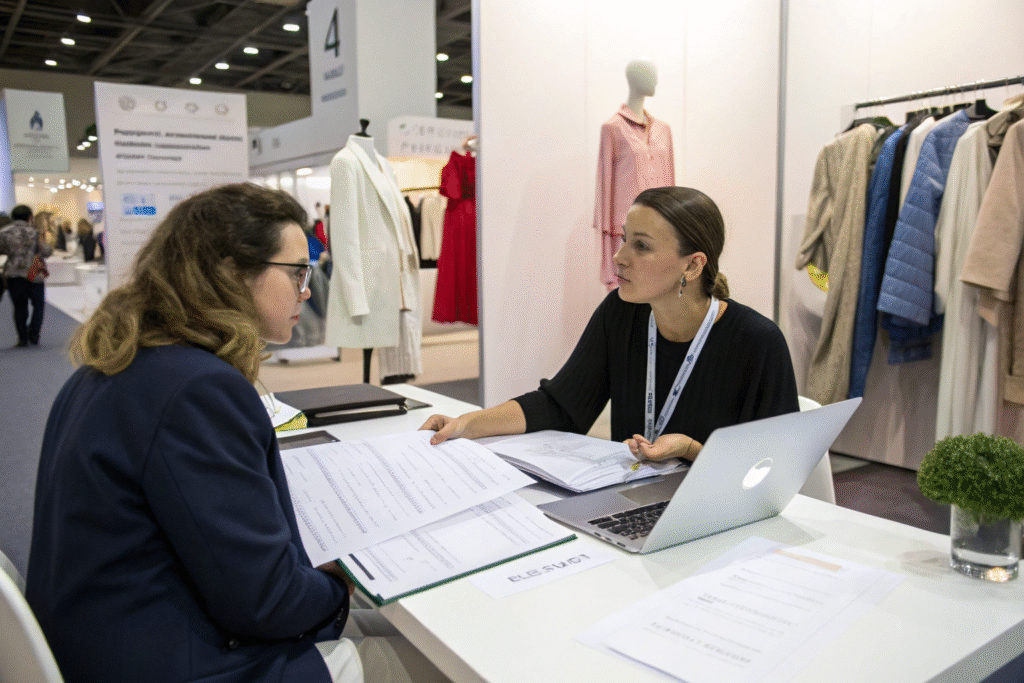
Negotiating payment terms isn’t just about who pays first. It’s about managing risks for both parties. Brands want to protect their investment; factories want to ensure they get paid.
The best way to reduce payment risk is to balance trust-building, order volume leverage, and milestone-based terms with factory incentives.
Can You Use Payment Milestones Instead of Fixed Percentages?
Yes. Advanced buyers often structure payment around production milestones:
- 20% deposit on PO confirmation
- 30% after fabric sourcing
- 30% after production + passed QC
- 20% after shipping documents issued
This protects you in case of delays or failures. For more insights, read QIMA’s apparel QC guide or Just Style’s sourcing terms article.
How Does Order Size Influence Negotiation Power?
Large brands often negotiate:
- Open account (60–90 days)
- 10% deposit / 90% post-shipment
- Quarterly settlement models
Smaller buyers can still earn better terms through:
- Frequent repeat orders
- Flexible delivery
- Shared risk agreements
Check out the American Apparel & Footwear Association for examples of brand-supplier partnerships and finance tools.
Are There Safer Payment Methods for New Buyers?
If you’re a first-time buyer or working with a new supplier, it’s smart to start with safer payment options, even if they cost a little more.
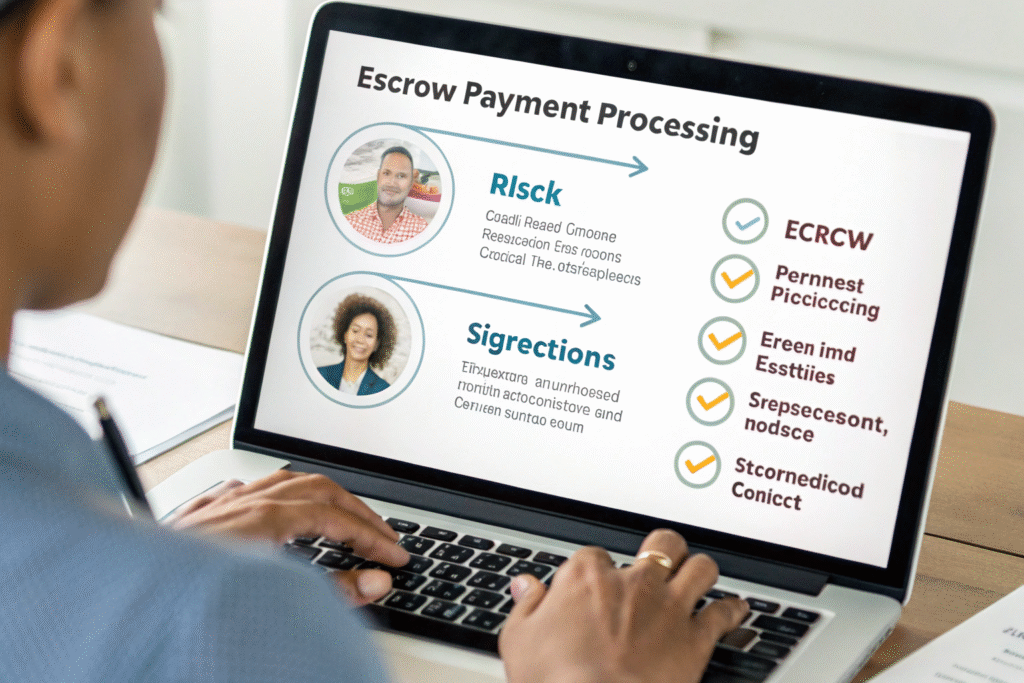
Platforms like Alibaba Trade Assurance, escrow accounts, and Payoneer B2B are great for small apparel orders with built-in fraud protection.
What Is Alibaba Trade Assurance?
Trade Assurance is a payment protection service for orders placed on Alibaba. It offers:
- Refunds for quality or shipping delays
- Dispute mediation
- Supplier credit checks
It’s ideal for first-time trial orders. Learn more at Alibaba’s Trade Assurance Policy.
What About Escrow or Payment Gateways?
Services like Payoneer or Escrow.com act as third-party holding accounts until:
- Goods are shipped
- Inspections are passed
- Documents are uploaded
These methods are slower and slightly more expensive (fee 1.5–3%), but much safer for buyers who haven’t built trust yet.
How Do Payment Terms Affect Shipping and Customs?
Payment terms are closely tied to shipping incoterms. The later you pay, the more control you may have—but only if you understand the risks.
For example, FOB and CIF terms often align with 70% post-production payment, while DDP shipments may require full prepayment.
How Does Your Chosen Incoterm Affect Payment Flow?
Let’s compare common incoterms:
| Incoterm | When You Pay Final Balance | Who Handles Freight | Buyer Risk |
|---|---|---|---|
| FOB | Before BL is released | Buyer | Medium |
| CIF | After production | Supplier | Low-medium |
| DDP | Before shipping | Supplier (all) | Low |
Learn more from Incoterms 2020 Explained or Freightos’ Incoterms Guide.
Do Payment Terms Influence Customs Clearance?
Yes. For example:
- Under D/P (Documents against Payment), you need to pay your bank before receiving the Bill of Lading needed for customs.
- With L/C, clearance may delay if docs don’t match perfectly.
- In DDP, the supplier handles it all—safer for beginners.
Partnering with customs brokers like Flexport or GeeseCargo helps navigate documentation tied to payment and shipping terms.
Conclusion
Choosing the right payment terms is just as important as choosing the right supplier. Whether you’re a startup brand importing small batches or a major label scaling global operations, your payment strategy affects cash flow, risk exposure, and long-term supplier trust.
Here’s a recap of your options:
- T/T 30/70 is the standard for most apparel orders
- L/C offers stronger protection for large or first-time deals
- Escrow and Trade Assurance are ideal for new buyers
- Open Account can be negotiated as trust builds
- Milestone payments reduce your risk across the production cycle
At Fumao Clothing, we offer flexible, transparent payment structures tailored to our clients’ order sizes and trust levels. If you’re looking to grow your brand with confidence—and stay in control of your capital—let’s build a sourcing model that works for your pace and budget.