If you’re a U.S. apparel brand owner, distributor, or Amazon seller importing children’s clothing from countries like China or Vietnam, tariffs can eat up to 20–30% of your margins. But what if there are legal ways to avoid or reduce those duties?
To import children’s clothing to the USA tariff-free, you must leverage trade preference programs like GSP, use the right HTS codes, explore duty-free zones, and structure your sourcing to align with compliance exemptions.
As a manufacturer and exporter of kidswear in China, I’ve helped dozens of U.S. clients navigate this landscape. Let’s break it down—step by step.
Which Trade Programs Offer Tariff-Free Import of Kids’ Clothing?
One of the most effective legal paths to eliminate import duties is through U.S. trade preference programs, which allow certain goods from eligible countries to enter duty-free.
Popular programs include the Generalized System of Preferences (GSP), African Growth and Opportunity Act (AGOA), Caribbean Basin Trade Partnership Act (CBTPA), and U.S.-Jordan FTA.
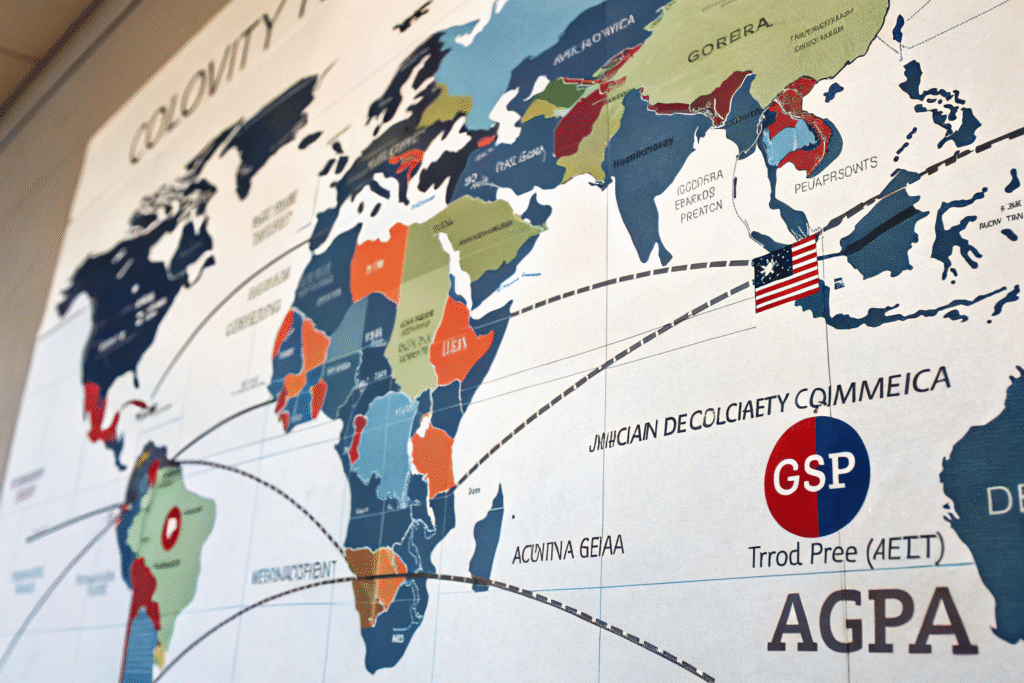
Is Children’s Clothing Covered Under GSP?
Historically, most apparel—including children’s clothing—has been excluded from GSP. However, for non-woven or technical garments or certain accessories, it’s worth checking the GSP program guide.
Although GSP expired in 2020, many bipartisan efforts to renew it are underway. Track updates via USTR GSP.
Which Countries Export Kids’ Apparel Duty-Free?
Some of the best low-cost exporters that enjoy zero-duty status for kids’ clothing include:
- Jordan (U.S.-Jordan FTA)
- Haiti (HOPE/HELP Act)
- Cambodia (under DFQF access)
- Certain African countries (via AGOA)
However, each requires local content rules, yarn-forward compliance, and a Certificate of Origin, which buyers must understand.
What HTS Codes Help Minimize or Avoid Duties?
The Harmonized Tariff Schedule (HTS) code is the first place where your duty rate is determined. Choosing the correct and most favorable HTS code can lower your import taxes.
For children’s apparel, the U.S. HTS code system offers some special duty rates—especially for knit items, socks, or items made of synthetic fibers.
What Are Examples of Low-Duty HTS Codes?
Here are a few examples:
| Product | HTS Code | Duty Rate |
|---|---|---|
| Baby cotton garments | 6209.20.5040 | 0% |
| Girls’ synthetic knit tops | 6110.30.3055 | 32% |
| Boys’ cotton pants | 6203.42.4011 | 16.6% |
As you can see, babywear (under 24 months) enjoys a lower tariff, and certain items can be classified under sleepwear, which may reduce the rate.
Use tools like the HTS Search Tool or consult a broker from Flexport to classify goods properly.
Can Misclassification Lead to Penalties?
Yes. If you misdeclare kids’ clothing—e.g., classifying a girl’s dress as a baby romper—it can lead to:
- Retroactive duty assessments
- Fines under 19 CFR § 162.74
- Loss of CBP trust and eligibility for trusted trader programs
Always ensure fabric type, gender, size category, and ornamentation are accurately reflected on the commercial invoice and packing list.
How Can You Structure Orders for Duty-Free Entry?
Besides choosing the right country and HTS code, you can also optimize the way you place and ship orders to reduce duty exposure.
By restructuring your PO strategy and shipment format, you may qualify for exemptions like Section 321 or leverage bonded warehouse advantages.
What Is Section 321 and Can Kidswear Qualify?
Yes—Section 321 allows shipments valued at under $800 per day, per consignee to enter duty-free.
This is especially useful for:
- Amazon or Shopify sellers doing DDP dropshipping
- Trial orders or flash sales
- Low-value samples
Many 3PLs like ShipBob and ZhenHub offer Section 321 fulfillment from Mexico or Canada to the U.S., bypassing China-origin tariffs.
What About Using FTZ or Bonded Warehouses?
Free Trade Zones (FTZs) and U.S. bonded warehouses allow you to defer or eliminate duties if:
- Goods are re-exported (not sold in the U.S.)
- You do value-added finishing (printing, packaging) in the zone
- You store inventory and ship in small increments
Check out CBP’s FTZ Manual for full rules, or partner with FTZ-certified facilities like BDP International.
What Certifications or Labels Help Qualify for Exemptions?
U.S. Customs and Border Protection (CBP) scrutinizes kids’ clothing for safety and labeling compliance. Having proper certifications not only keeps your brand safe—but may also help reduce inspection delays that can increase cost.
Certifications like GOTS, OEKO-TEX, and proper CPSIA labeling help ensure smoother entry and establish the garment’s intended tariff classification.
Why Does CPSIA Labeling Matter?
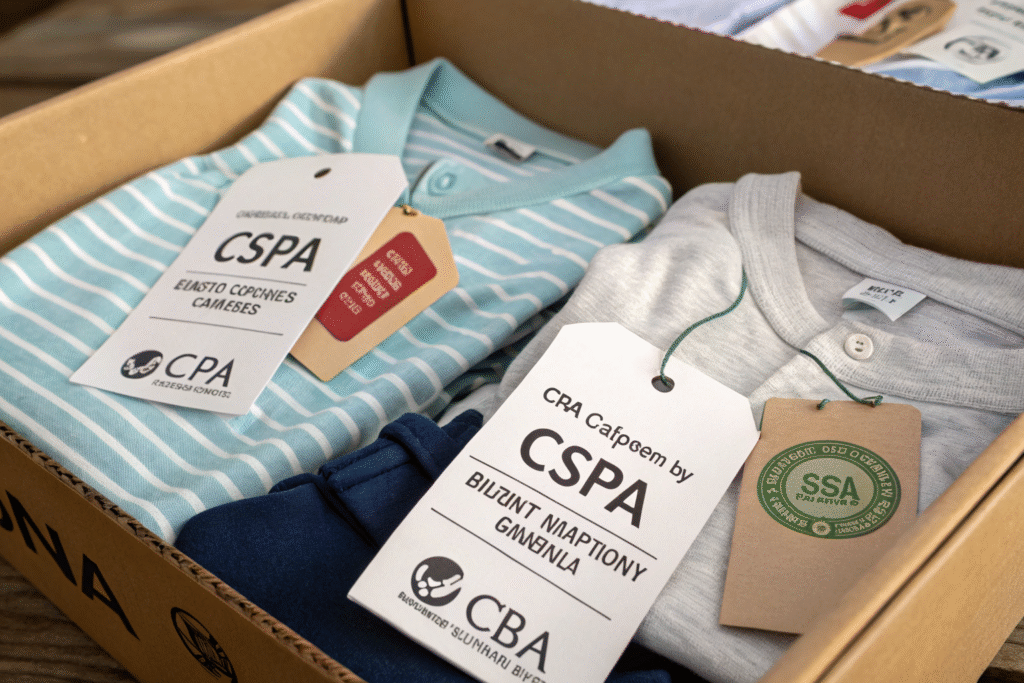
CPSIA requires children’s products to:
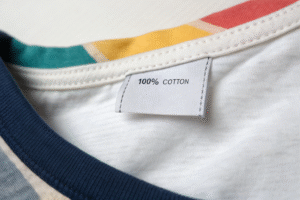
- Have tracking labels
- Include a Children’s Product Certificate (CPC)
- Pass tests for lead, flammability, and phthalates
Without CPSIA compliance, customs may seize the goods. Use labs like QIMA or Bureau Veritas to certify pre-shipment batches.
Do Sustainability Certifications Influence Tariff Relief?
Not directly. But GOTS or GRS certified items are often better classified under eco-friendly exemptions or non-commercial import rules. They also:
- Reduce inspection frequency
- Qualify brands for eco-label programs in retail partnerships
These certifications help build long-term credibility and reduce legal risk—even if they don’t offer immediate tariff elimination.
Conclusion
Importing children’s clothing to the USA tariff-free is not only possible—it’s a smart competitive advantage when done legally and strategically. Here’s a recap of your options:
- Use trade preference programs like AGOA or Jordan FTA
- Apply accurate HTS codes to minimize duties
- Optimize logistics through Section 321, FTZs, or bonded warehouses
- Ensure compliance labeling for smooth customs clearance
At Fumao Clothing, we help our clients—from boutique labels to Amazon aggregators—structure their shipments and documentation for duty efficiency. If you’re sourcing kidswear in bulk and want to save 10–20% in landed cost, it’s worth discussing the structure of your orders and the documentation involved.
And remember: it’s not just what you import—it’s how you import it that determines your cost advantage.