MOQ—or Minimum Order Quantity—is one of the biggest hurdles for small-to-medium apparel buyers working with overseas manufacturers. If you’ve ever had a promising conversation with a supplier, only to hear “our MOQ is 1000 pieces per style,” you know how frustrating it can be.
The good news? MOQ is negotiable—with the right strategy. Apparel factories are flexible within reason, especially when your brand positioning, order consistency, and payment terms show them long-term value. In this article, I’ll walk you through proven tactics to reduce MOQs without sacrificing quality or factory trust.
We’ve worked with buyers just like you—from first-time brand owners to scaling retailers. Based on our experience manufacturing for North American and European markets, here’s how you can secure more favorable MOQs and avoid production delays.
What Factors Influence a Factory’s MOQ?
When you’re negotiating with any apparel factory, it helps to first understand where their MOQ number comes from. MOQ isn’t pulled out of thin air—it’s a reflection of real production costs and operational limits.
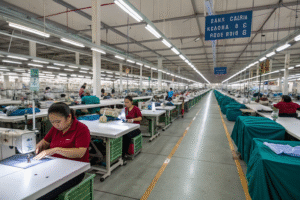
MOQ is determined by fabric sourcing minimums, machine setup costs, labor planning, and material waste estimates. The more customizations you require, the higher the starting MOQ will likely be. For example, dyed-to-order fabric or unique printing will raise thresholds compared to off-the-shelf options.

What role does fabric availability play in MOQ?
If your fabric choice is stocked or commonly used in the factory’s workflow, MOQ flexibility increases. But if you insist on a specialty fabric that must be woven or dyed specifically for your order, suppliers usually require higher volume to justify the sourcing effort. Learn more about fabric sourcing standards here.
Additionally, factories often negotiate better pricing and access for repeat fabrics from their mills. You can benefit from these relationships by asking to select from existing fabric libraries rather than customizing every aspect.
How does printing method impact MOQ?
Factories use screen printing, sublimation, or digital print based on client preferences and design types. However, traditional screen printing has a high setup cost for each color and layer, which raises MOQ. Digital printing allows lower quantities but may increase unit cost.
For best results, align your print demands with what the factory can do efficiently. Review their equipment before committing. Here’s a helpful guide on apparel print types that can help frame your choices.
What MOQ Terms Can Be Negotiated?
You may not be able to cut MOQ in half, but almost every factory has flexibility when approached correctly. Instead of just saying, “That’s too high,” try to understand which specific parts of the MOQ can be negotiated.
You can negotiate total MOQ, per color MOQ, or size ratio flexibility. Factories may also accept smaller runs if you agree to prepay raw materials or commit to multiple future orders.

Can I negotiate MOQ per style instead of per SKU?
Yes, many buyers succeed by offering a combined MOQ across multiple colorways or sizes of the same design. Instead of demanding “100 per SKU,” propose “300 total across three colors” or similar. This approach works particularly well for cut-and-sew items where base patterns remain unchanged.
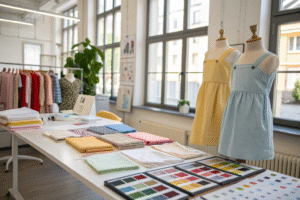
Supporting this with a clear tech pack shows professionalism and streamlines production planning. You’ll also want to reference any size grading charts the factory prefers.
Can MOQ be lowered with fabric or print changes?
Definitely. Some factories are open to lower MOQs if you agree to use in-stock fabric or shift from screen print to embroidery. Offer compromises like removing custom tags or simplified packaging. A flexible attitude shows you’re solution-oriented, which builds trust.
You can also ask if combining your order with other clients is an option—this is common with basic fabrics or trims. For more details on shared production practices, explore this multi-brand sourcing method.
How Can You Build Leverage When Negotiating MOQ?
Factories prioritize long-term partners. If you’re seen as a one-time buyer, MOQ flexibility will be limited. But if you demonstrate brand growth, solid forecasting, and payment reliability, most suppliers will reduce their threshold to keep your business.
The more leverage you create—through volume potential, payment terms, or market influence—the better your chances of negotiating down MOQs.

Can I use my reorder potential as leverage?
Absolutely. Share realistic sales forecasts, prior order data, or retail interest to show you’re planning long-term collaboration. Even better, offer a deposit on future production. For example, “We’ll order 300 this round, with a reorder target of 1,000 next season.”
This tactic builds factory confidence. Some of our best clients started with small orders—but earned low MOQ status by consistently reordering. See how growing brands negotiate smarter over time.
Does payment method affect MOQ flexibility?
Yes. If you’re willing to pay a higher deposit or pay earlier in the cycle, many factories reduce MOQ. This lowers their financial risk. Discuss options like TT, PayPal, or Trade Assurance to reassure them.
Offering net terms after several orders also strengthens relationships. For high-trust clients, we even provide staggered payments. Just ensure you meet every agreement to protect future negotiating power. Learn how credit terms work in apparel sourcing.
What Mistakes Should You Avoid When Discussing MOQ?
Many apparel buyers—especially new ones—make the same mistakes when trying to lower MOQ. They approach factories with unrealistic demands, vague designs, or unclear communication. This only wastes time and damages trust.
The worst thing you can do is negotiate aggressively without preparation. Factories are running businesses, not donation centers. If you disrespect their costs, they’ll politely end talks—or worse, ghost you mid-process.

Should I push for MOQ reduction before I confirm designs?
No. You’ll lose credibility fast. Factories need clarity before making adjustments. Always send a clear spec sheet or tech pack first. Include quantity estimates and desired lead time. Then discuss MOQ.
This shows you’re serious and informed. Avoid vague phrases like “just tell me your best price.” Instead, be specific: “We’d like to produce 500 units split over two sizes using in-stock jersey knit. Is that workable?”
Is it smart to compare factory MOQs publicly?
Not really. Saying, “Factory B offers lower MOQs,” can backfire. Each supplier has different capabilities, fabric access, and equipment. Instead, explain your production goals and ask if the factory can work toward them.
Respectful, informed buyers always get better treatment. You can still negotiate hard—but without threats. For guidance, check this article on how to build better supplier relationships.
Conclusion
MOQ negotiation is both an art and a science. From understanding your supplier’s true costs to offering strategic trade-offs like prepayment or reorder commitments, there are many ways to reduce order size without losing reliability. My advice? Always come prepared—with real numbers, clear designs, and a long-term mindset.
At Fumao Clothing, we work with clients of all sizes to craft win-win MOQ solutions that protect your budget while ensuring smooth production. Whether you’re a startup brand or an established distributor, let’s talk. You’ll be surprised at what we can build together—with or without 1000-unit commitments.