Choosing a reliable baby clothes supplier is more than just finding the lowest price. For brand owners like Ron who aim to scale premium children’s apparel in Western markets, supplier selection directly affects delivery cycles, product quality, and brand reputation.
The best baby clothes supplier combines quality, customization, and timely shipping. They meet international safety standards, offer trend-forward designs, and operate with full supply chain transparency.
To help you identify the best partner, I’ll break down what to look for in a supplier, how manufacturers like us work behind the scenes, and what qualities drive long-term success in the babywear sector.
What qualities define the best baby clothes suppliers?
The best baby clothes suppliers focus on quality, consistency, and safety. They understand the strict standards required in international babywear markets. For example, materials must be soft yet durable, and free from any harmful chemicals. Reputable suppliers will always offer clear certifications, product test reports, and experience with export compliance.
At Fumao Clothing, we see that buyers from the US and Europe expect more than just good stitching—they want child-safe fabrics, transparent communication, and logistics they can rely on. Over the years, we’ve built a system that ensures our clients get exactly that. From certified organic cotton to OEKO-TEX® dyes, our commitment is to reduce risk for our partners while boosting their brand value.
Let’s take a closer look at how safety and materials play a role.

Why is safety certification critical in babywear?
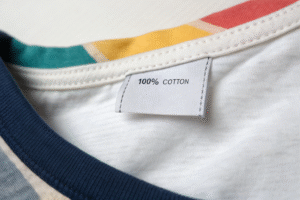
Safety in baby clothes isn’t just marketing—it’s legally required. A credible supplier will provide lab-tested certifications like OEKO-TEX® Standard 100 or GOTS. These prove that fabrics are free from substances like lead, formaldehyde, and phthalates.
Our factory underwent third-party audits last year and passed with excellence. One of our US clients uses our OEKO-TEX® certificate in their marketing materials. It adds credibility and peace of mind for end consumers. Don’t trust a supplier who hesitates to provide documentation—that’s often a red flag in this industry.
How important is material softness and durability?
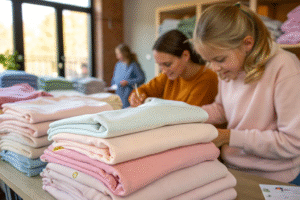
Softness is a top priority for babywear, but long-term quality matters just as much. We use combed cotton and bamboo blends that not only feel good but also last longer through washes.
Our lab partners run Martindale abrasion tests to ensure the garments resist wear. This makes our products reliable for both daily use and premium resale. Many of our buyers return to us season after season because their customers rave about how well the fabric holds up.
Where are most baby clothing suppliers located?
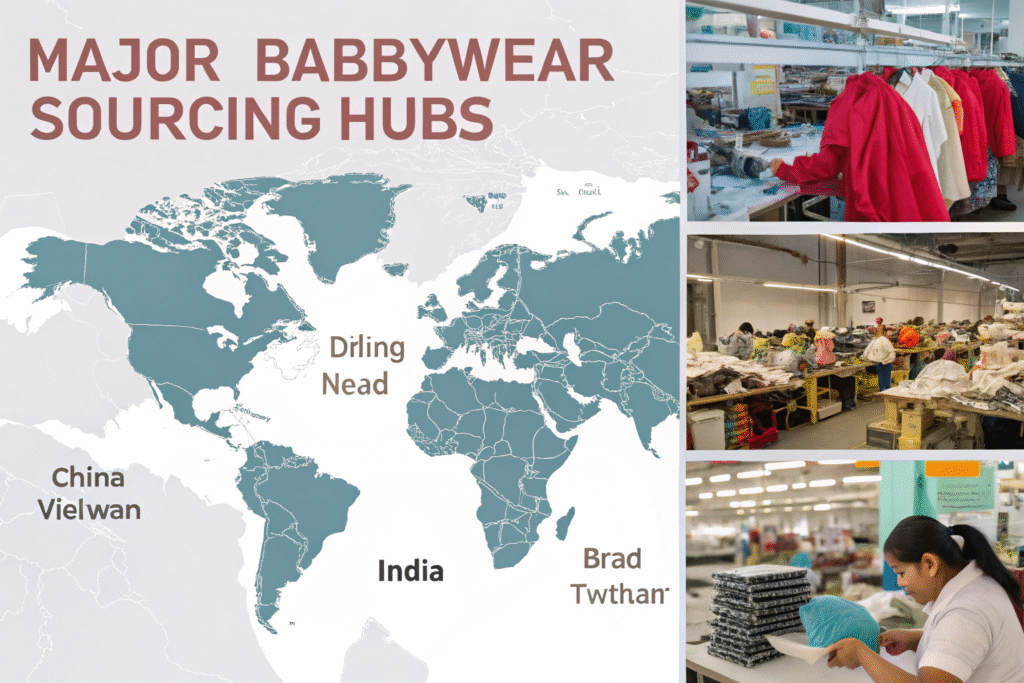
Most babywear buyers look to Asia for sourcing, but not all regions are equal. China remains the top choice due to its complete supply chain and technical skill. From design to fabric sourcing to final packaging, Chinese suppliers are well-equipped to deliver full-service solutions.
For instance, our facility in Zhejiang is near textile clusters that reduce lead times by up to 30%. In contrast, buyers who sourced from India often face delays because printing and sewing are done in different cities. Vietnam offers cost stability but fewer style options. China, with its mature ecosystem and skilled labor, stands out in both quality and flexibility.
Why is China still the top destination?
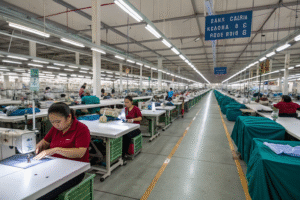
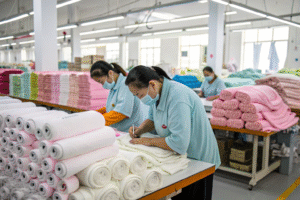
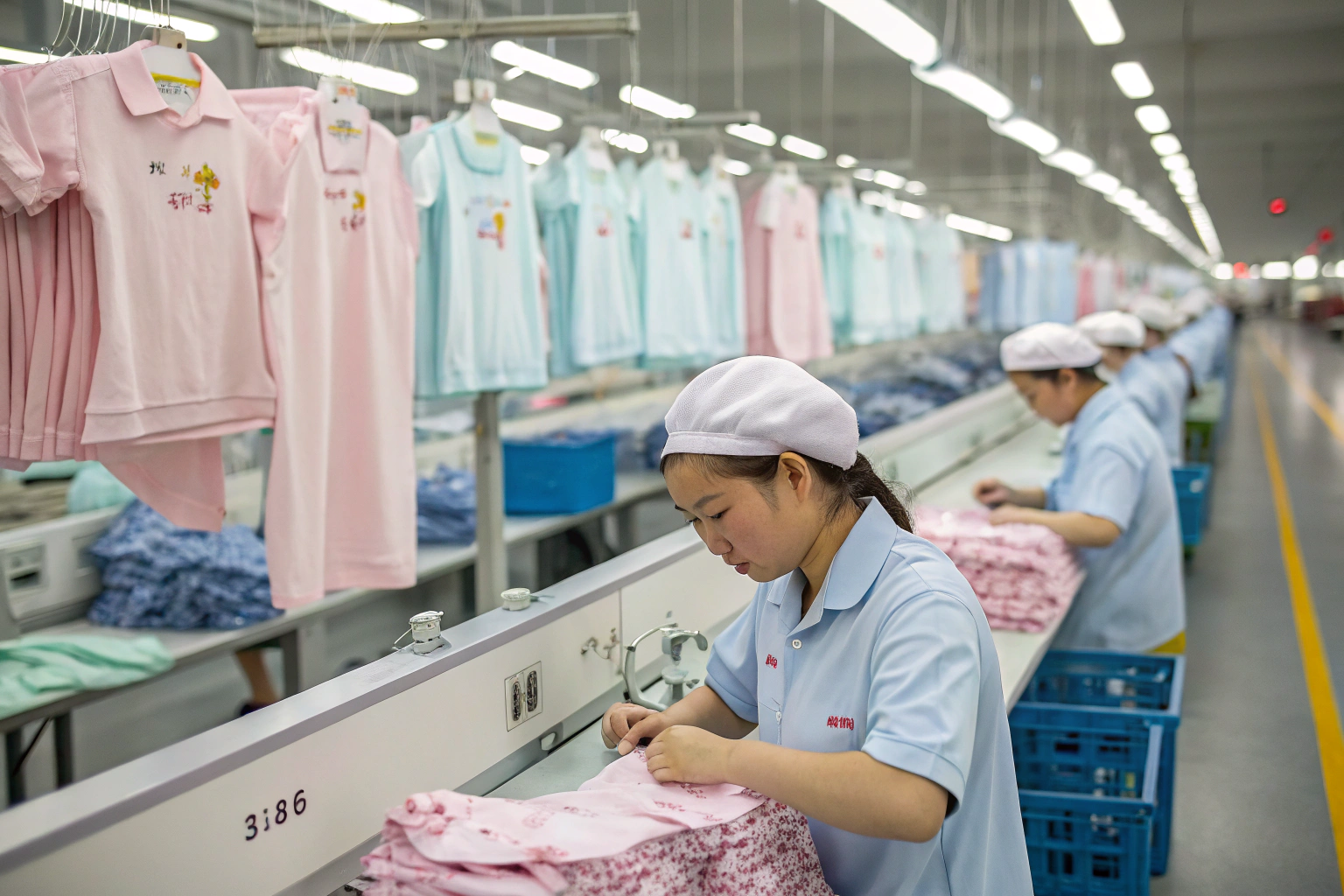
China’s edge lies in integration and speed. Our production process includes fabric inspection, digital printing, embroidery, and final QC under one roof. This streamlining ensures buyers get fast samples and fewer quality issues.
In cities like Guangzhou and Yiwu, suppliers invest heavily in automation. With access to automatic cutting tables and ERP systems, we ensure precision and efficiency. It’s why many Western brands now prefer Chinese babywear even at slightly higher prices.
What should buyers know about regional advantages?
Understanding the sourcing landscape helps reduce risks. India excels in organic garments but may lack design updates. Vietnam is polite and stable but offers limited fabric variety. Bangladesh is cheap but inconsistent.
We advise clients to compare based on delivery times, response rates, and design capabilities—not just cost. This sourcing comparison guide provides helpful benchmarks. In our experience, transparency and speed matter most in the children’s segment, where fashion cycles are short and standards are high.
How can I verify a babywear supplier’s credibility?
Trust is everything in sourcing. Before placing orders, buyers should verify whether the supplier is truly a factory or just a trading company. Direct factories have more control over quality and timelines. You should ask for business licenses, audit reports, and real factory photos.
At Fumao, we often do video calls from inside our factory so clients can see the lines in real time. We also share our compliance documents upfront, including ISO 9001 certificates and safety lab reports. Transparency like this helps eliminate uncertainty—especially for new buyers.
What documents should I request before placing orders?
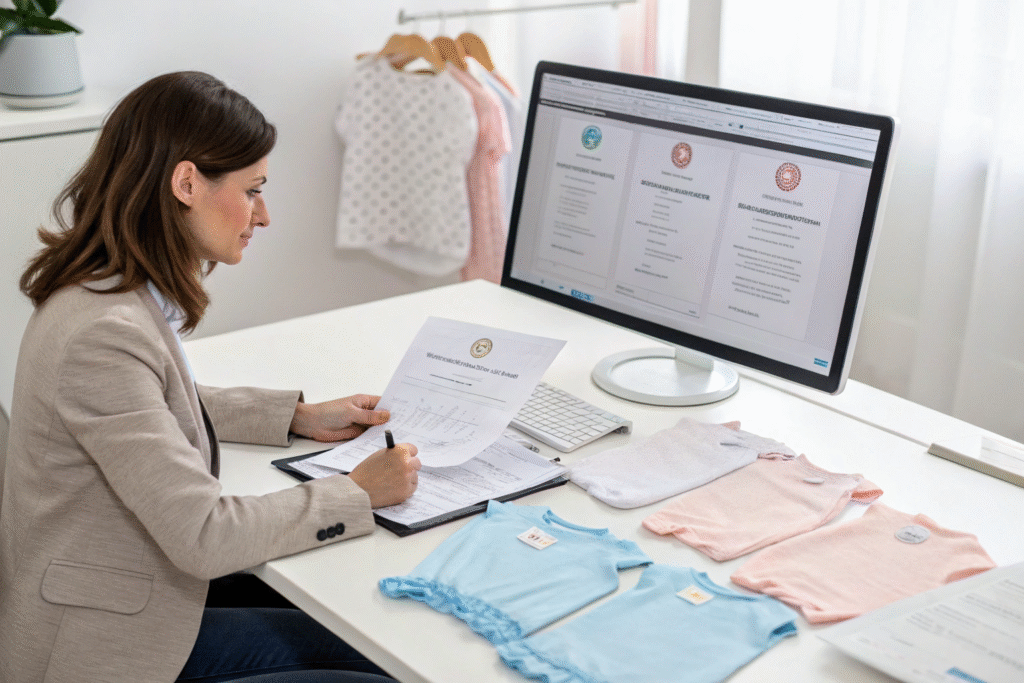
Buyers should always ask for BSCI or Sedex audits, test reports for phthalates and azo dyes, and production capacity charts. Many suppliers reuse documents, so use tools like TinEye to reverse search images for authenticity.
We also recommend asking for a video tour of the facility or at least factory floor photos with date stamps. If they refuse, it’s a signal they might be outsourcing the work. One of our clients saved thousands by spotting this early before placing a bulk order.
Can third-party inspections help protect my order?
Yes. Services like QIMA or SGS can inspect your goods before shipment. They check stitching, labeling, and even carton packaging. We’ve worked with them many times and welcome outside QC—it builds buyer confidence.
Buyers who skip this step often pay the price in chargebacks or lost sales. We advise all our new partners to book at least one Pre-Shipment Inspection for the first order. It helps set expectations and confirm that everything is as promised before the goods leave China.
What services set premium suppliers apart?
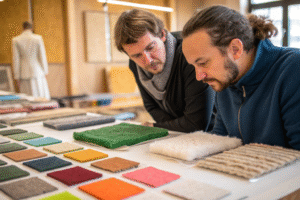
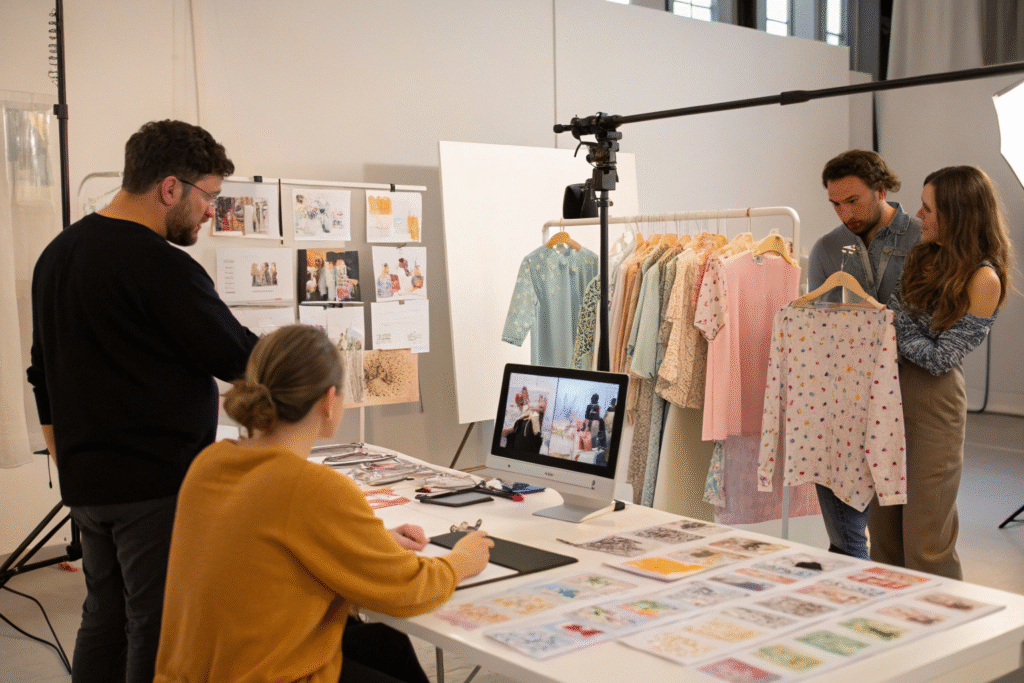
Top-tier suppliers don’t just make what you tell them—they help you build a better product. We assist with tech pack creation, fabric selection, and even marketing support like hang tag design. These value-added services can save time and reduce design errors.
Some of our clients come with only a Pinterest board, and we translate that into real samples within 7–10 days. This agility sets us apart from basic suppliers. If a factory only reacts but doesn’t suggest improvements or offer trend forecasting, it’s probably not the right fit for brand-driven buyers.
Do premium suppliers support design and tech pack development?
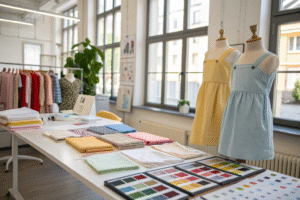
Absolutely. We have a full design department that works with Adobe Illustrator and Clo3D to simulate patterns and sizing. This allows our buyers to preview fits and colors before physical sampling.
We also provide size grading for the US and EU markets, ensuring accurate age-group coverage. Clients who used to hire third-party designers often shift that work to us, saving time and cost. A good factory becomes an extension of your brand team, not just a sewing unit.
How does logistics and delivery support build trust?
Reliable delivery is critical. We offer DDP shipping which covers customs, taxes, and delivery to door. This is ideal for small-to-mid-size buyers who don’t have local logistics teams.
We track every step via our ERP system and proactively notify clients of milestones. Buyers love our WhatsApp updates with real-time photos. It gives them confidence, especially when selling seasonal collections. If a supplier can’t commit to delivery dates in writing, they might not be reliable in the long term.
Conclusion
Choosing the best baby clothes supplier means balancing quality, compliance, support, and logistics. While many factories may promise low prices, only a few deliver consistent value across production cycles. At Fumao Clothing, we’ve built our reputation by understanding what buyers like Ron need—soft fabrics, fast delivery, flexible customization, and direct communication. We don’t just sew clothes—we support brand growth.
Let us be the supply chain behind your babywear success.