In a digital-first retail world, you don’t get a second chance to make a first impression. For buyers like Ron who rely on high-volume sourcing and premium resale in the U.S., strong product images are the key to converting scrolls into sales.
Product photography isn’t just decoration—it directly impacts buyer trust, conversion rate, return rate, and even the perceived value of your products.
Whether you’re selling kidswear on Shopify, Amazon, or in retail showrooms, high-quality visuals act as your silent salespeople. In this article, I’ll show why factory-level photography matters, how it improves customer experience, and what mistakes to avoid when preparing images for your next collection launch.
How Do Photos Impact Conversion Rates?
If you’re not using premium images, you’re leaving money on the table. In babywear and fashion, visuals speak louder than price tags or descriptions.
Studies show that clear, professional product photography can increase conversion rates by 30–60% across eCommerce platforms.
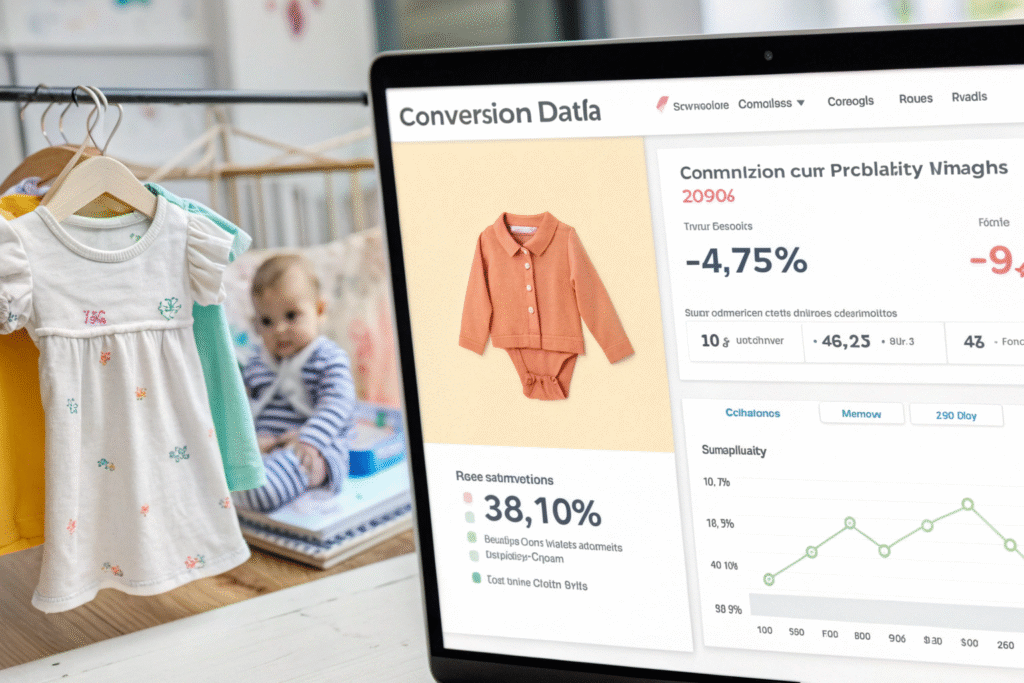
Why do visuals drive faster purchase decisions?
Because customers can’t touch your products online, images replace all sensory experiences. According to Shopify’s data, pages with multiple high-resolution photos outperform single-photo pages by over 58% in average order value.
Shoppers want to zoom in, inspect seams, view product details, and imagine the fit. Especially in baby clothing, parents look for softness, safety, and ease of use, which must be communicated visually.
Do better photos reduce abandoned carts?
Yes. BigCommerce research shows that unclear, low-light, or inconsistent images account for 22% of abandoned carts in fashion.
On platforms like Amazon or Faire, professional visuals increase add-to-cart rates, and Google prioritizes image-rich product listings in shopping feeds.
We’ve helped clients improve their DTC conversion by up to 42% after switching to studio-quality flat lay and on-model toddlerwear photography.
What Styles of Photography Work Best for Babywear?
Not all images serve the same purpose. For baby clothing, it’s important to mix informative, aesthetic, and emotional photo styles in your listings and catalogs.
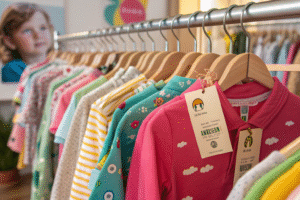
The most effective photography styles for babywear include flat lays, on-model photos, ghost mannequin shots, and lifestyle imagery.
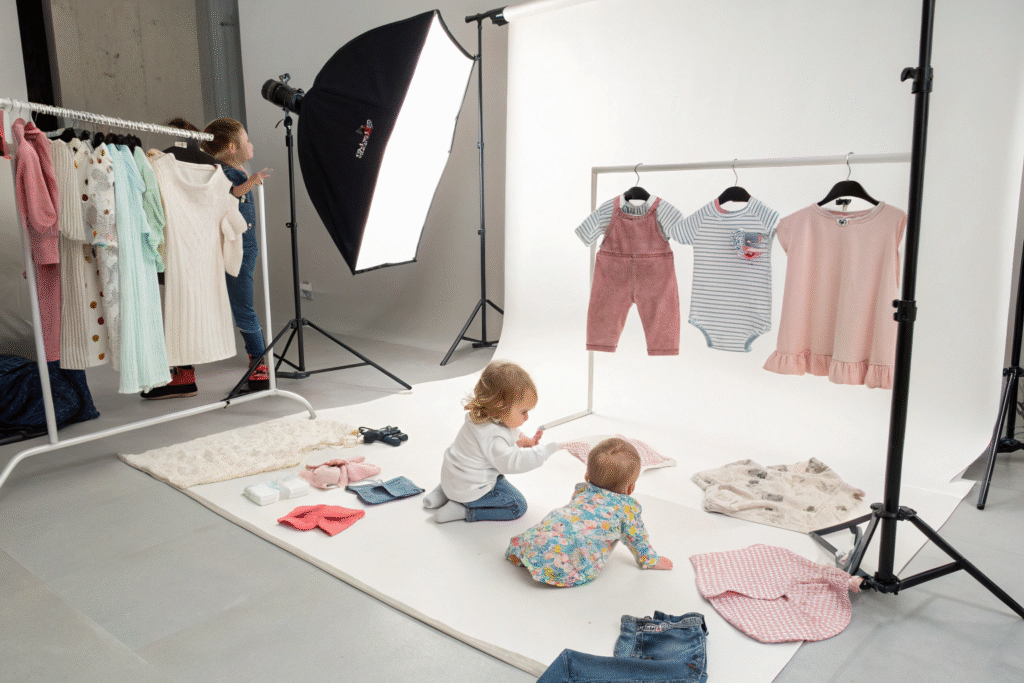
What are flat lays and when should you use them?
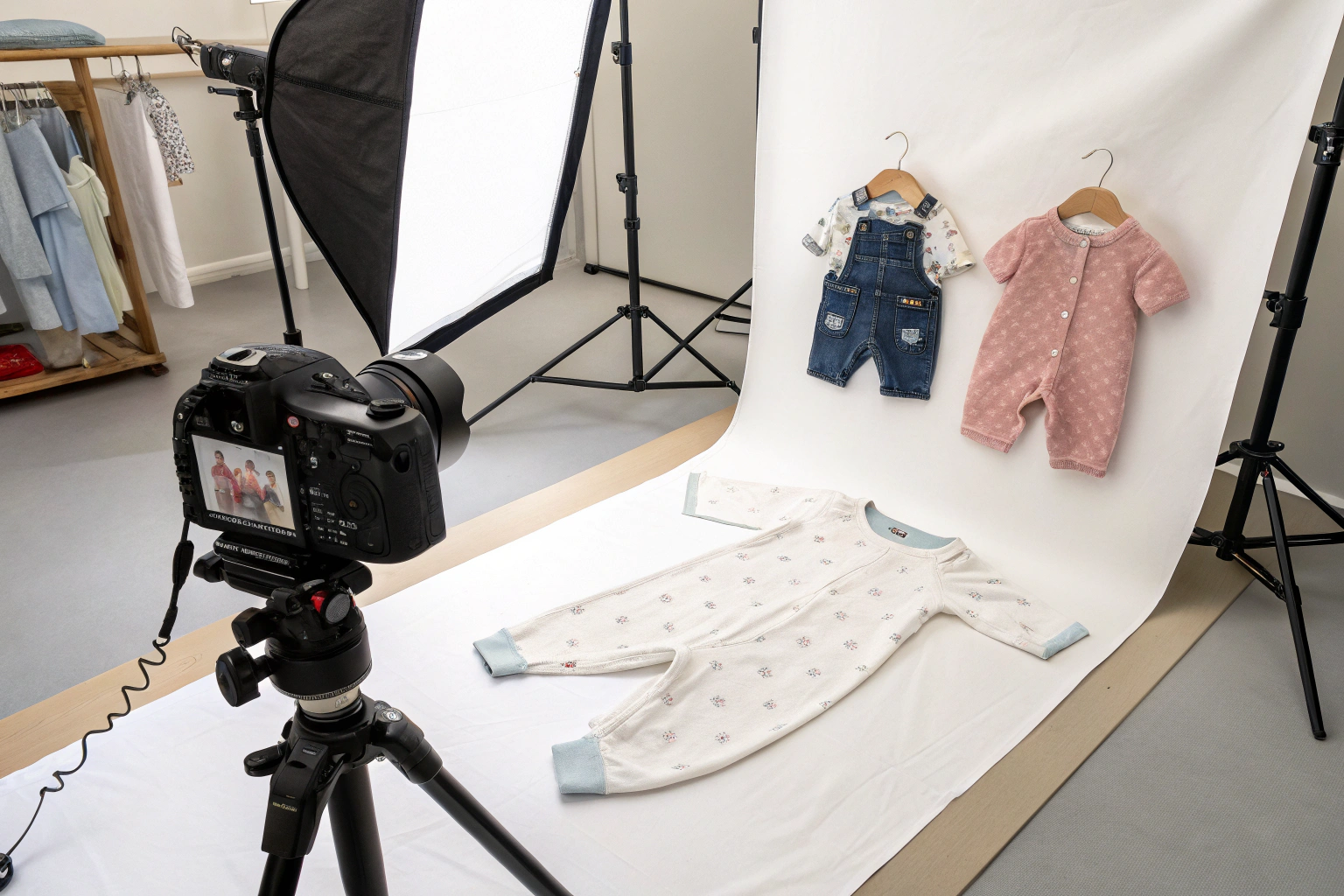
Flat lay photography shows clothing neatly arranged on a flat surface. It’s ideal for toddlers’ sets, rompers, and bodysuits—especially when you want to highlight fabric texture or packaging options.
Flat lays are fast to shoot and great for websites and line sheets. They also allow for consistent sizing references when done next to props or rulers.
Why are on-model photos important?
Parents want to see how the garment looks in motion, especially for kids aged 6 months and up. On-model photography builds trust and reduces returns by showing the true fit and stretch of garments.
If using real toddlers isn’t feasible, consider ghost mannequin photography, which offers a 3D shape without showing a face.
At Fumao, we provide both ghost and on-model options for custom collections, especially for buyers prepping for Amazon or Shopify listings.
How Does Photography Influence Perceived Quality?
Great photos don’t just sell—they justify higher prices. This matters especially when you’re targeting the U.S. mid-to-premium babywear market.
High-end photography increases the perceived quality and brand value of kidswear, even when the garment cost stays the same.
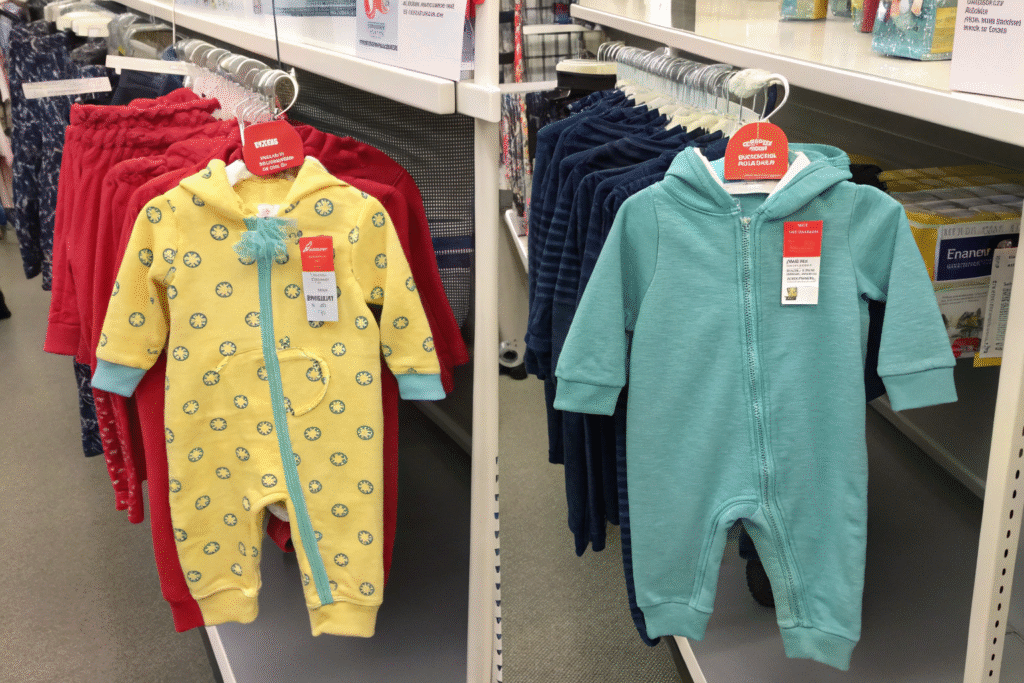
Can better photos raise your retail price?
Yes. CXL Institute studies show that users perceive better-photographed items as more valuable, even if the actual product is identical.
In fashion, image presentation can add $5–$15 of perceived value per item. For babywear, using soft lighting, clean styling, and color-accurate backgrounds increases appeal, especially to millennial parents.
Our U.S. clients often justify a 15–25% higher retail markup using nothing more than elevated image presentation.
Do visuals affect wholesale buyer perception?
Absolutely. When you present your kidswear line to wholesale platforms like Faire or Handshake, clear, consistent photography boosts buyer confidence. It signals reliability and professionalism.
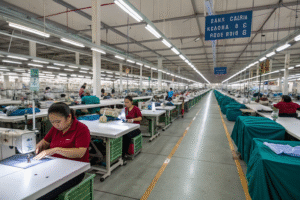
Factory-direct buyers expect retail-ready visuals—not sample snapshots on a sewing table. We offer in-factory product photography with high-volume SKUs staged in catalog-ready formats.
What Are Best Practices for Clothing Product Photos?
Professional photography isn’t just about camera quality—it’s about preparation, consistency, and editing. With babywear, small details make a big impact.
Best practices include shooting with neutral backgrounds, consistent lighting, multiple angles, and close-up detail shots of fabrics and features.
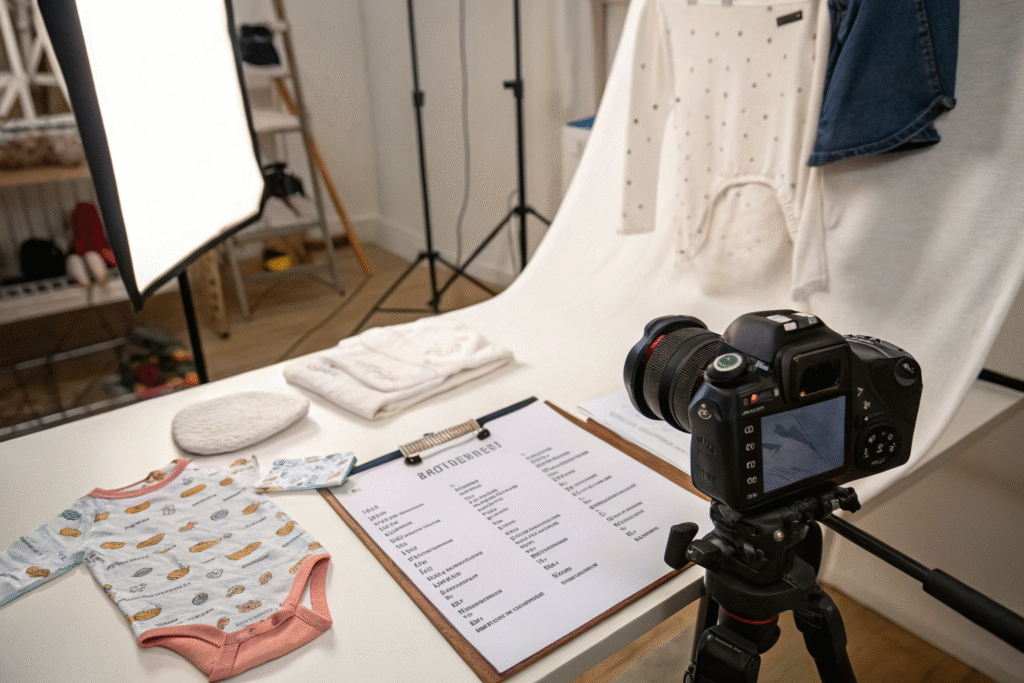
How many images should you show per SKU?
Aim for 4–7 photos per item, including:
- Full front view
- Back view
- Side angle or 45-degree view
- Close-up of fabric/stitching
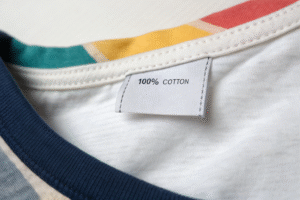
- Label or hangtag detail
- Optional: packaging preview
- On-model or lifestyle scene
This setup aligns with Amazon’s photo standards and most DTC eCommerce expectations.
What file types and dimensions are ideal?
- Use JPG or WebP formats for web
- Minimum 2000px on longest edge
- White or light gray background for product shots
- Avoid filters—keep colors accurate to avoid returns
- Follow Google Shopping image specs if running ads
Our studio delivers retouched, compressed, and color-corrected images ready for eCommerce, wholesale catalogs, or social media campaigns.
Conclusion
Product photography isn’t optional—it’s essential. For babywear sellers, it directly affects conversions, brand value, and trust. Whether you’re launching your line on Amazon, approaching U.S. retailers, or selling DTC, high-quality photos can be the most profitable investment in your entire supply chain.
At Shanghai Fumao, we don’t just produce your garments—we help present them beautifully. Our in-house product photography service is available to all custom order clients. To request a sample shoot or build your babywear visual content library, contact our Business Director Elaine at elaine@fumaoclothing.com today.