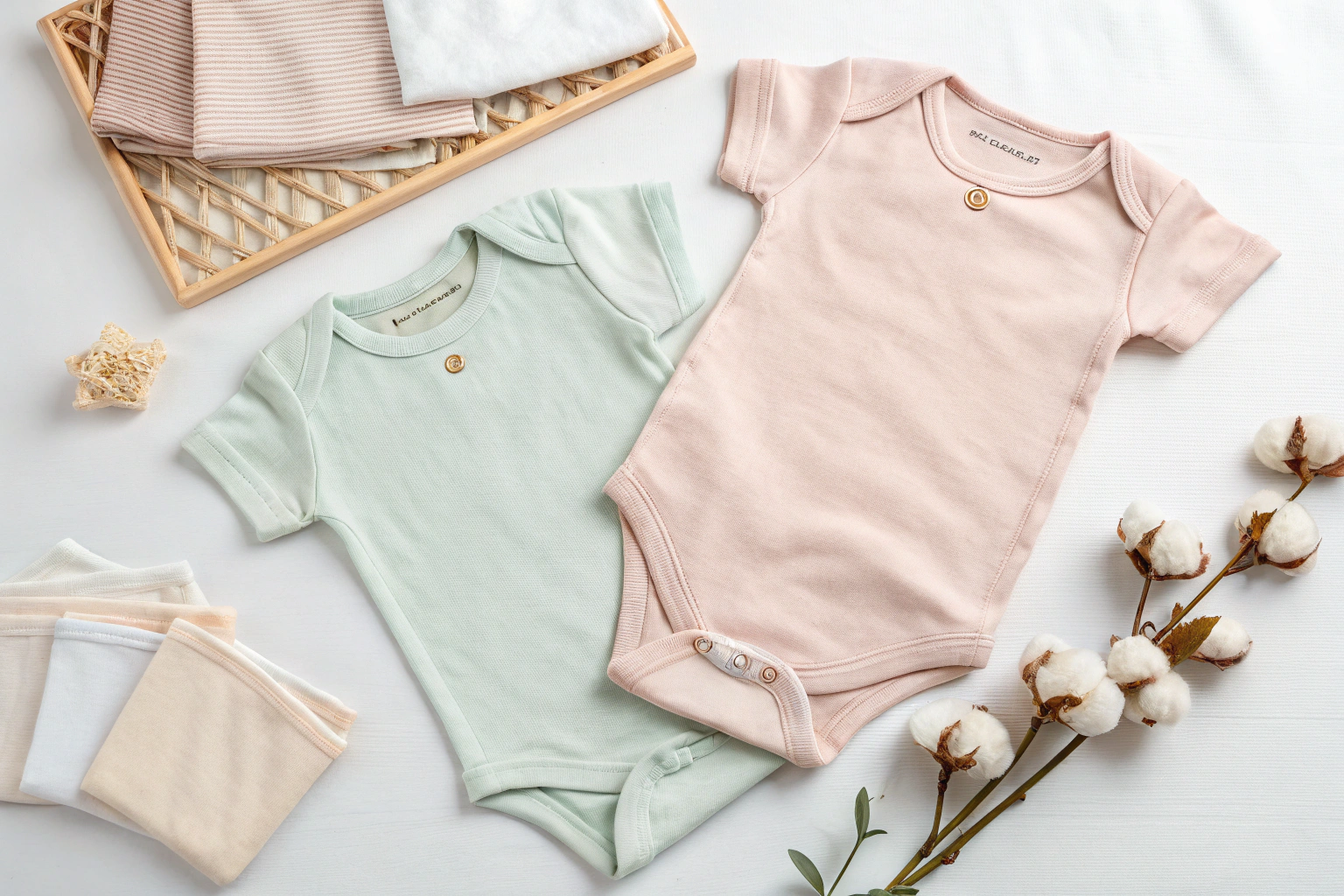
For parents of newborns and toddlers, nothing matters more than skin safety. As a result, hypoallergenic baby clothing has evolved from a niche offering into a mainstream requirement. Red, irritated skin or allergic reactions from poorly processed garments can destroy a brand’s credibility overnight.
Hypoallergenic babywear must be free of harmful chemicals, made from breathable natural fibers, and processed under certified non-toxic conditions. As a sourcing brand or distributor, understanding what makes clothing hypoallergenic—and how to verify suppliers—is now critical.
In this guide, we’ll walk you through the key fabrics, certifications, supplier traits, and inspection practices you need to build a successful hypoallergenic babywear line.
What Fabrics Are Naturally Hypoallergenic for Babies?
Not all natural fabrics are equally hypoallergenic, but some are industry favorites. The best materials for sensitive baby skin are free of harsh dyes, detergents, and allergens. They must also allow airflow and moisture regulation.
Top hypoallergenic fabrics for baby clothing include organic cotton, bamboo rayon, TENCEL™ modal, and silk. Each offers a blend of softness and breathability while minimizing chemical exposure.

Why Is Organic Cotton the Most Common Option?
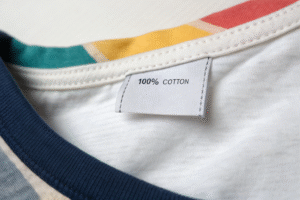
Organic cotton is grown without pesticides and processed without harsh chemicals. When certified by GOTS or OEKO-TEX, it ensures minimal allergen contact. Learn more about cotton standards on Global Standard’s official site and OEKO-TEX at oeko-tex.com.
Is Bamboo Rayon Safe for Hypoallergenic Babywear?
Yes, if it’s mechanically processed or OEKO-TEX certified. Bamboo fabric is naturally antibacterial and breathable. Brands like Kyte Baby and Little Sleepies use bamboo extensively in their infant collections.
How Do You Verify Hypoallergenic Certifications?
Certifications are your strongest proof that your factory truly produces hypoallergenic baby clothing. Without lab-backed compliance, “non-toxic” becomes just another empty marketing phrase—and risks legal repercussions in Western markets.
Reliable hypoallergenic certification includes OEKO-TEX® Standard 100, GOTS for organic content, and CPSIA testing for lead, phthalates, and labeling compliance.

What’s the Difference Between OEKO-TEX and GOTS?
- OEKO-TEX certifies the final product is free from 100+ harmful substances.
- GOTS certifies organic input and ethical processing from raw cotton to final fabric.
Check OEKO-TEX labels via their Label Check Tool, and find GOTS-certified suppliers via global-standard.org’s database.
Is CPSIA Testing Also Required?
Yes—for any babywear sold in the U.S. CPSIA ensures that baby clothes don’t contain heavy metals or flammable materials. Review what you need to test at the CPSC’s official CPSIA guide.
What Factory Traits Support Hypoallergenic Production?
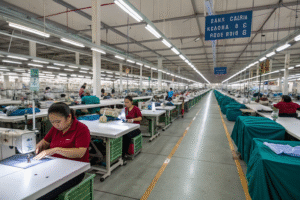
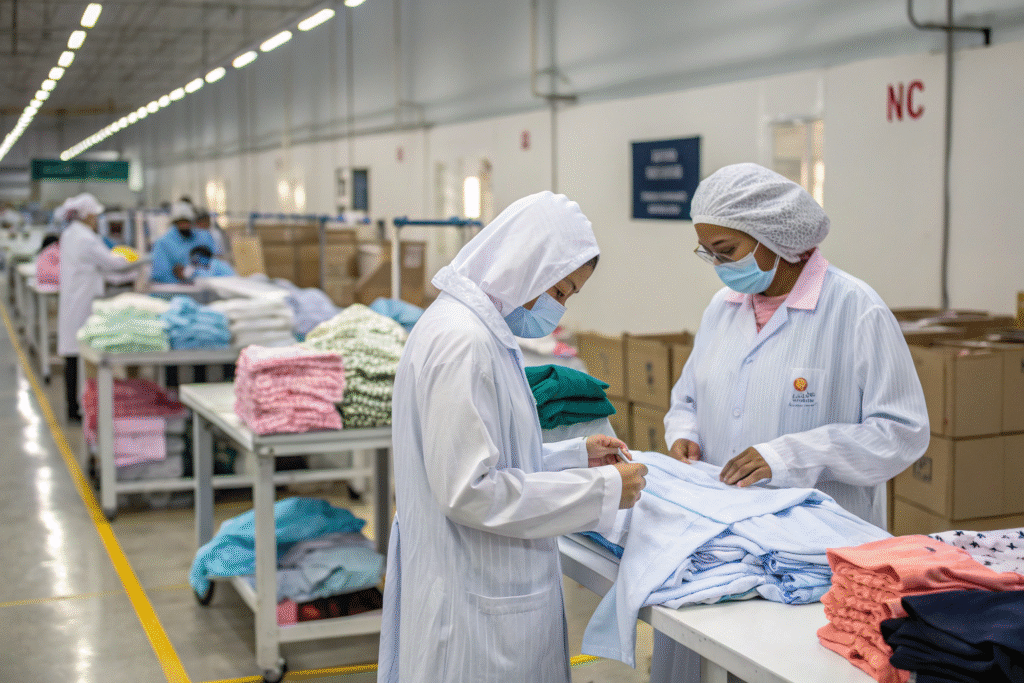
Choosing a compliant factory isn’t just about MOQs and pricing. Hypoallergenic production requires strict control over chemical handling, washing processes, airflow, and textile contamination.
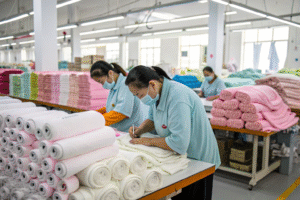
A good factory maintains cleanrooms for babywear lines, works with certified dye houses, and uses water-based dyes or mechanical finishing processes.
What Questions Should You Ask Suppliers?
- Are your fabrics certified hypoallergenic?
- What softeners or dyes do you use in finishing?
- Do you store babywear fabrics separately?
- Can I see your OEKO-TEX or GOTS certificates?
You can also cross-reference supplier reputations via platforms like Higg Index and Sedex.
Can Small Factories Offer Hypoallergenic Standards?
Yes—especially in textile hubs like Fujian, Jiangsu, and Shaoxing. Many niche suppliers focus only on babywear and have been audited by brands like Hanna Andersson or Carter’s. What matters is process discipline, not factory size.
How Can You Inspect and Maintain Safety in Each Batch?
Even if your initial samples pass, ensuring batch-to-batch consistency in babywear requires systematic inspection and lab testing. Hypoallergenic compliance must be actively maintained, not assumed.
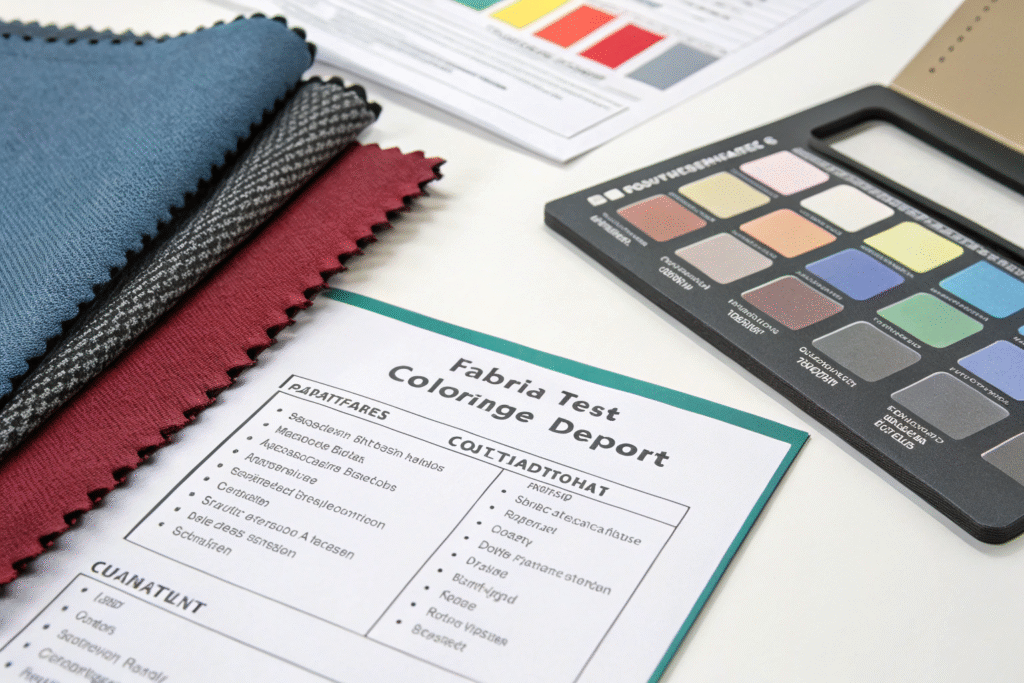
Use third-party labs to check every new fabric lot and run periodic CPSIA lead/phthalate tests, shrinkage tests, and chemical residue checks.
What Tests Are Required Before Shipping?
- Colorfastness to saliva and sweat
- Formaldehyde content (must be non-detectable)
- Azo dyes (banned in EU)
- Shrinkage tolerance (usually <5%)
For more detail, see SGS’s children’s textile testing services and QIMA lab test categories.
How Do You Set Up a Quality Inspection Plan?
Include checkpoints like:
- Incoming fabric verification
- Needle detection for trims
- Garment pH testing
- Packaging allergen safety (no latex-based adhesives)
Use templates and digital tools from Inspectorio or QIMAone to document inspections remotely.
Conclusion
Sourcing hypoallergenic baby clothing is about more than choosing “soft fabrics.” It’s a system—built on verified materials, responsible factories, rigorous testing, and transparent certification. For brands entering or expanding in the sensitive-skin segment, every layer of production must be intentional and clean.
At Shanghai Fumao, we specialize in certified hypoallergenic babywear. We source OEKO-TEX® and GOTS-certified fabrics, implement CPSIA-compliant production, and offer third-party testing on demand. Whether you need sleepwear, bodysuits, or swaddles, we’re your trusted partner for clean, baby-safe fashion.
Ready to start sourcing hypoallergenic garments with confidence? Contact our Business Director Elaine at elaine@fumaoclothing.com to request samples, lab reports, or a production plan customized to your market.