Getting the right FOB (Free on Board) price for kids’ apparel isn’t just about bargaining. It’s about understanding value, cost structures, and building trust with your supplier. Many buyers—especially first-time importers—walk away either overpaying or sacrificing quality in the name of savings.
The best FOB price balances cost, quality, compliance, and delivery reliability. It’s not just about how low you can go, but how smartly you negotiate based on your market goals, volume, and product expectations.
In this article, I’ll walk you through proven negotiation tactics tailored for the kidswear category. Whether you’re a brand owner, distributor, or buyer for a fashion label, these tips come from real-world experience—helping you avoid delays, quality dips, and communication pitfalls.
What Factors Influence FOB Pricing in Kidswear?
Before you negotiate, you must understand what makes up your price. Suppliers calculate FOB based on multiple layers—not just raw material and labor. In kidswear, especially, factors like certifications, fabric safety, and design complexity can shift the final cost.
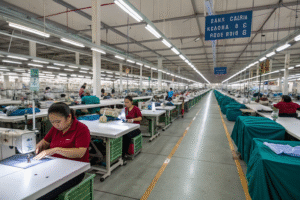
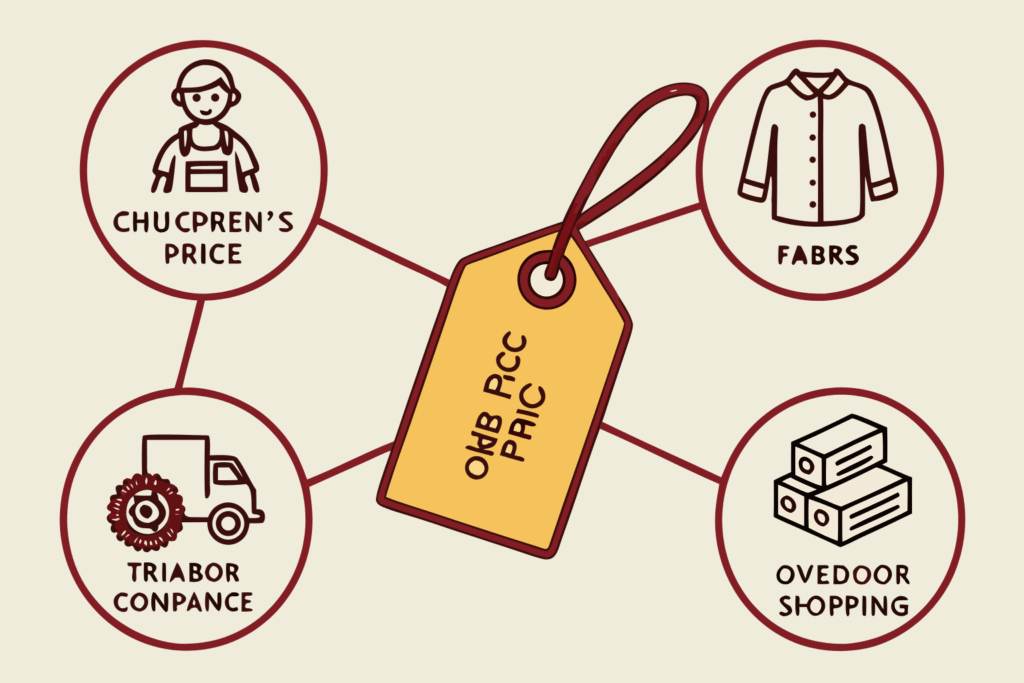
FOB price for children’s apparel typically includes fabric cost, trims, labor, packaging, overhead, and compliance costs. Understanding each part helps you pinpoint where adjustments can be made—without risking safety or quality.
What Is Typically Included in a Kidswear FOB Price?
FOB pricing includes everything up to the loading of goods onto the vessel in the port of origin. For example, your supplier covers:
- Fabric and trims
- Labor (cutting, sewing, QC)
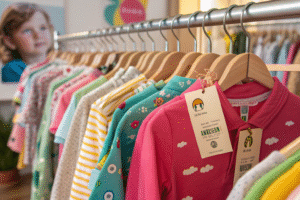
- Packaging (poly bags, hangtags)
- Inland transport to port
- Export documentation
You can explore ImportYeti to research what other brands are sourcing under FOB terms and compare structures.
How Do Compliance and Certification Costs Affect Kids Apparel?
Children’s clothing must meet stringent regulations, such as CPSIA in the U.S. or REACH in Europe. Testing, chemical management, and factory audits add to overhead. For instance, Bureau Veritas offers third-party inspections which may be baked into your FOB if requested. Clarify if these are included or charged separately.
When Is the Best Time to Negotiate Price?
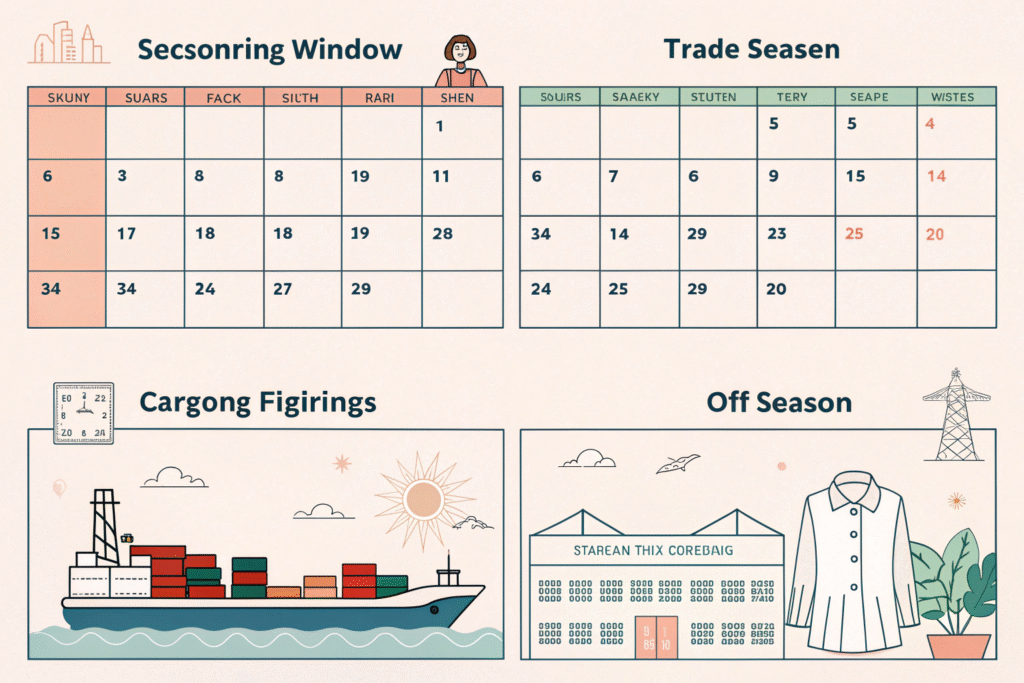
Timing affects leverage. If you walk into negotiations during peak season or just before Chinese New Year, you’ll find suppliers reluctant to discount. Understanding supplier production cycles and demand peaks gives you an edge.
The best time to negotiate FOB prices is during off-season months or early in development. Avoid negotiating after sample approval or when the factory is at capacity. Suppliers have more room to adjust prices when future orders are forecasted in advance.
Why Should You Negotiate Early in the Sampling Stage?
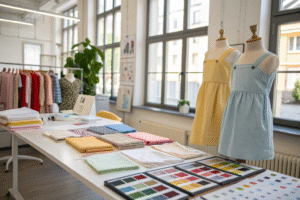
Once samples are approved, the supplier has already invested time and material. At this point, they’re less flexible on cost. Negotiate at the tech pack or prototype stage to include:
- Fabric options
- Construction methods
- Packaging details
See how Common Objective suggests integrating sustainable sourcing early in the timeline to manage cost and CSR expectations.
How Does the Chinese Holiday Calendar Affect Negotiation?
Avoid late December to mid-February. Factories wind down for Lunar New Year, and labor shortages impact production capacity. The best windows for negotiation are March–May and September–October. Track holidays using tools like TimeandDate.com.
What Negotiation Tactics Work Best with Chinese Suppliers?
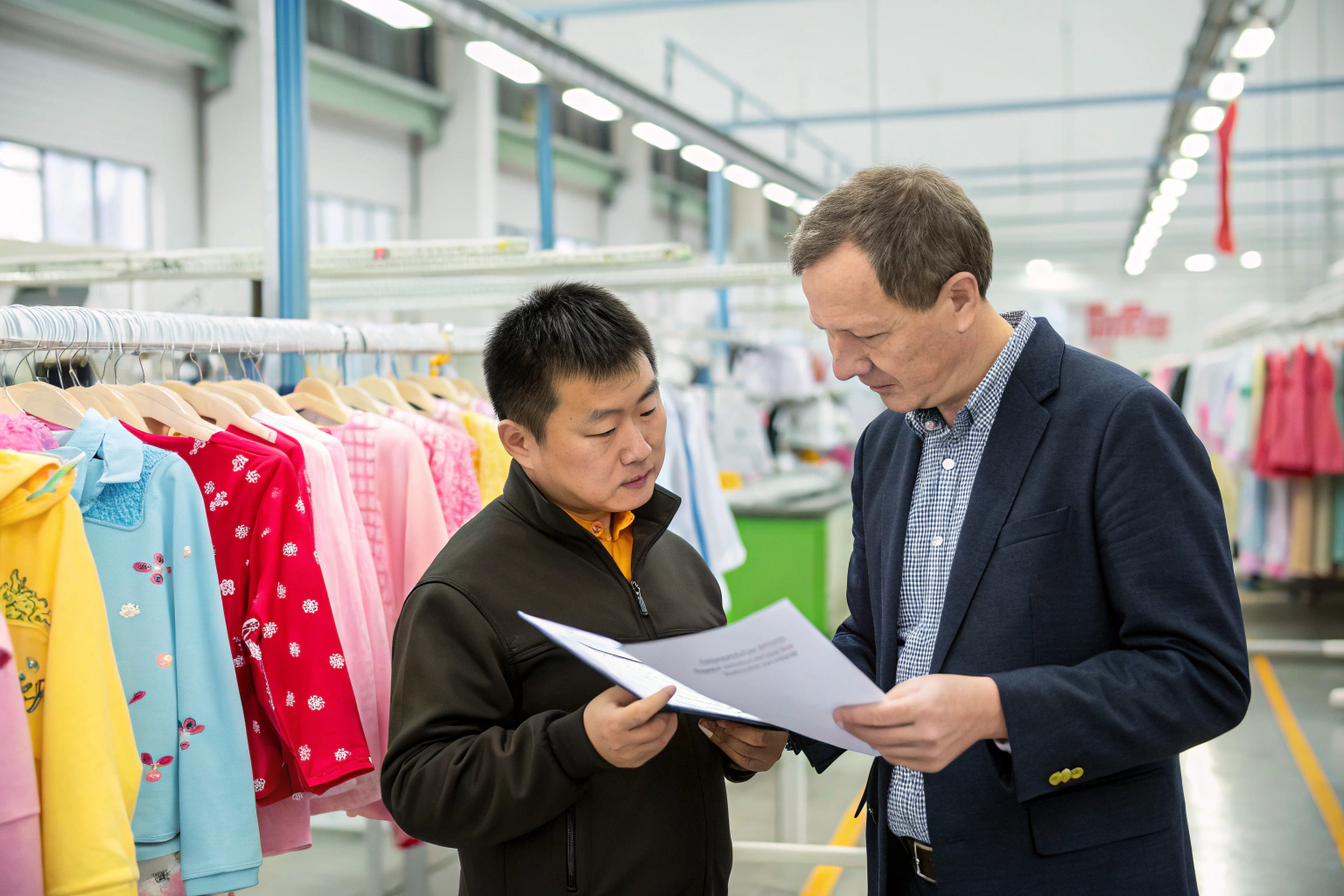
Negotiating FOB prices with Chinese suppliers isn’t about pressure tactics—it’s about strategy, trust, and clarity. Experienced buyers know how to ask the right questions, uncover cost drivers, and propose win-win deals.
Use volume leverage, breakdown requests, and long-term partnerships as your primary negotiation tools. Avoid only talking price. Focus on aligning product specs, materials, and delivery terms to unlock savings.

Should You Ask for a Cost Breakdown?
Absolutely. A simple "Can you show me fabric vs labor cost ratio?" opens transparency. If you find a high markup on fabric, consider offering alternatives. Platforms like Fibre2Fashion help benchmark fabric costs for negotiation preparation.
Can MOQs Help You Unlock Better FOB Deals?
Yes. Instead of asking for the lowest price on 500 units, ask for a price ladder:
- 500 pcs
- 1,000 pcs
- 3,000 pcs
Suppliers love forecasting. Offering scalable commitments often yields better FOB rates. See how Sourcing Journal emphasizes volume negotiation in global apparel buying.
How to Avoid Price Reductions That Hurt Quality?
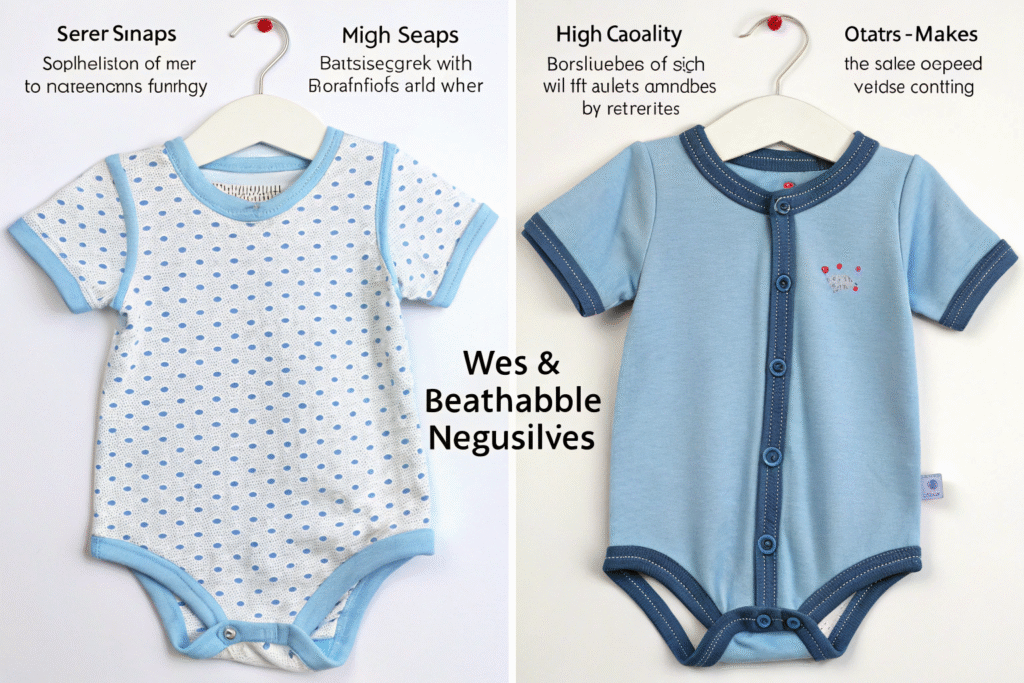
This is where many buyers go wrong. Pressing too hard on FOB pricing can lead to suppliers cutting corners—using cheaper trims, lowering QC standards, or subcontracting to risky factories. The result? Complaints, returns, or worse—regulatory recalls.
A smart negotiator balances cost reduction with strict quality controls and certifications. Make sure your contract includes detailed spec sheets, testing requirements, and inspection points.
What Are Red Flags That Quality May Be Sacrificed?
- Supplier stops offering pre-production samples
- Fabric suddenly changes to off-shade
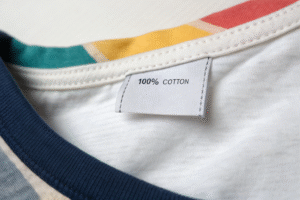
- Missing CPSIA labels
- Too-good-to-be-true price drops
Monitor these signs with regular third-party QC from agencies like QIMA, who specialize in children’s product audits.
How Do You Lock in Quality at a Fixed FOB Rate?
Include quality control steps in your price agreement:
- AQL inspection level (2.5 for babywear)
- Lab testing for lead, pH, flammability
- Fabric shrinkage and wash tests
Platforms like Intertek help align your QC checklist with Western safety standards.
Conclusion
Negotiating FOB prices for kids apparel isn’t about driving cost to the floor—it’s about knowing when to ask, what to ask for, and how to protect your product. If you’re sourcing from China and targeting the US or EU market, especially in the children’s segment, you must combine pricing skills with quality foresight and cultural fluency.
At Shanghai Fumao, we’ve helped dozens of international brands hit their pricing goals without sacrificing on CPSIA compliance, delivery speed, or visual appeal. We speak the language of Western buyers and understand the pressure of retail margins.
Want to simplify your next sourcing negotiation and work directly with a dependable Chinese manufacturer? Contact our Business Director Elaine at elaine@fumaoclothing.com. We’ll help you structure your next FOB order with transparency and confidence.